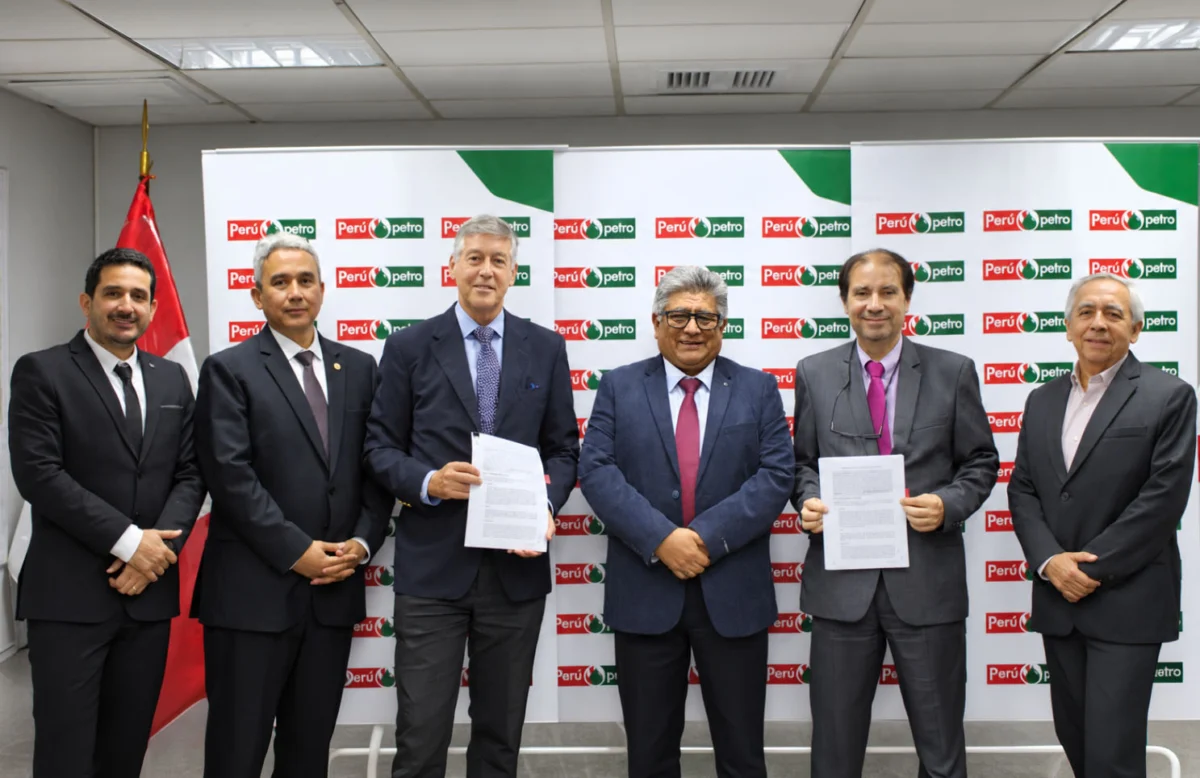
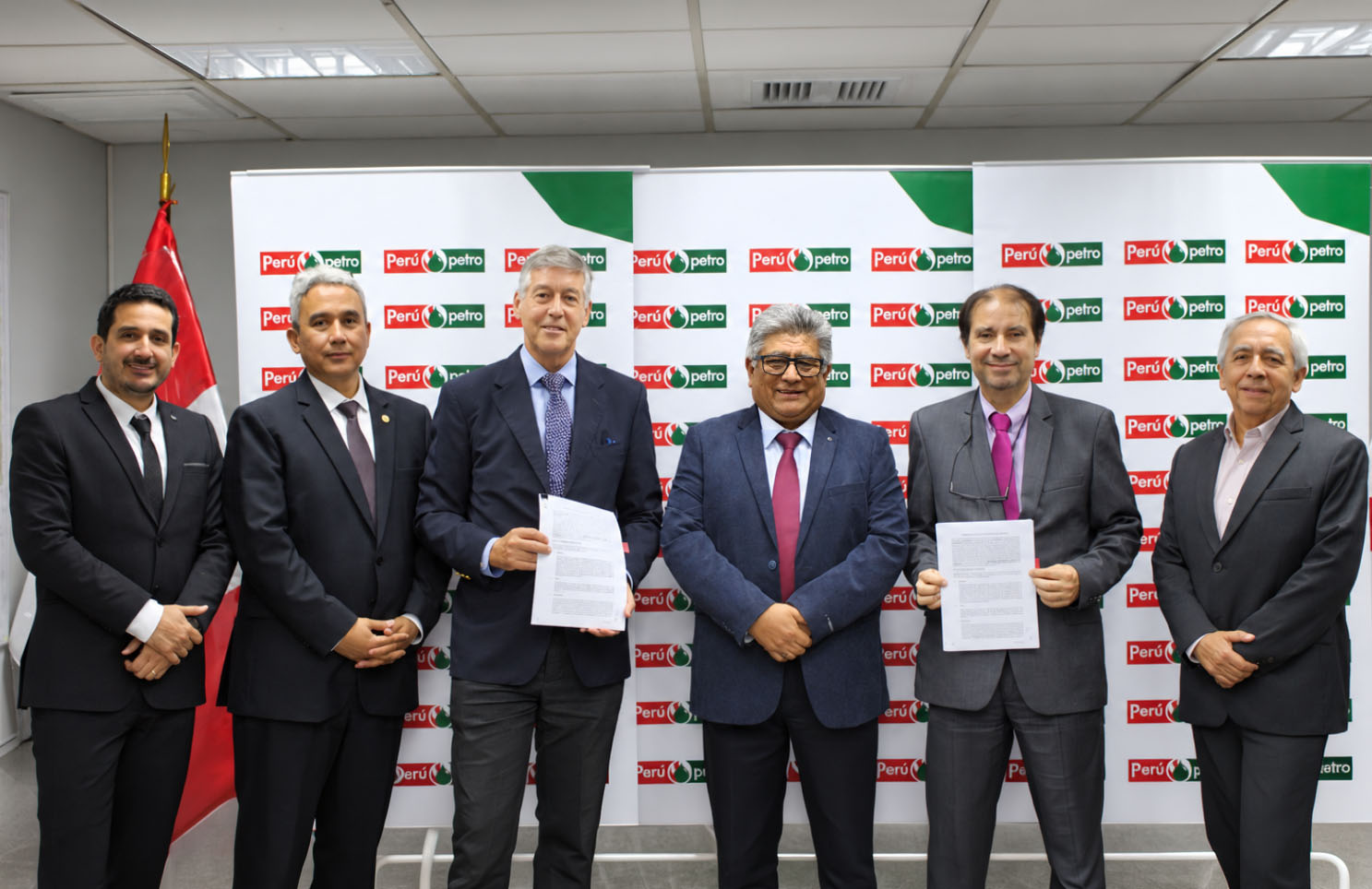
Lima, Peru – October 26, 2026 – In a significant move to bolster its energy future, PERUPETRO S.A., the state-owned entity responsible for managing Peru’s hydrocarbon resources, has officially signed a Technical Evaluation Agreement (TEA) with the consortium comprising NIKOIL ENERGY CORP. Suc. Colombia and MAXENERGY S.A.C. This pivotal agreement targets an area designated XCVI within the geologically rich Marañón Basin, aiming to conduct in-depth studies to pinpoint regions with the highest prospective potential for hydrocarbon discovery.
This strategic partnership underscores PERUPETRO’s ongoing commitment to fostering investment and driving exploration activities across the nation. The TEA represents a crucial step in expanding the understanding of Peru’s subsurface geology and identifying new frontiers for potential energy production, ultimately contributing to the country’s energy security and economic development.
Unveiling the Potential: The Core of the Agreement
The newly inked Technical Evaluation Agreement is designed to facilitate a comprehensive assessment of the XCVI area, a region situated within the Datem del Marañón and Loreto provinces in the Loreto department. This initiative is driven by the consortium’s commitment to undertake a rigorous work program over a 20-month period. The core of this program will involve an exhaustive analysis of the geological, geophysical, and geochemical data meticulously curated within PERUPETRO’s extensive Data Bank. This approach emphasizes a desk-based study, ensuring that all investigative work is conducted in a controlled, office environment, without any on-the-ground or intrusive field activities within the designated area.
The significance of this agreement lies in its phased approach. Should the consortium’s meticulous studies yield promising results, the TEA grants them the exclusive right of first refusal. This means they will have the primary opportunity to negotiate and sign a formal License Contract for Hydrocarbon Exploration and Production, covering either a portion or the entirety of the XCVI area. This mechanism incentivizes thorough research and de-risks the initial exploration phase for potential investors, while simultaneously ensuring that PERUPETRO retains control over the ultimate development of its resources.
A Deeper Dive into Technical Evaluation Agreements (TEAs)
Technical Evaluation Agreements (TEAs) are a fundamental instrument employed by PERUPETRO to proactively promote investment in the exploration sector. These agreements are forged with companies demonstrating a keen interest in assessing specific geographical areas for their hydrocarbon potential. Under a TEA, the participating companies undertake the responsibility, at their own expense and risk, to conduct detailed studies aimed at enhancing the understanding of a particular zone. The ultimate objective is to evaluate its hydrocarbon-bearing potential and delineate areas exhibiting the most promising geological characteristics for future exploration.
TEAs typically have a stipulated term of up to two years, with the possibility of a one-year extension, contingent upon the explicit approval of PERUPETRO. This structure provides a defined yet flexible timeframe for conducting the necessary assessments.
The benefits derived from TEAs are multifaceted and critically important for Peru’s energy landscape. These agreements are instrumental in:
- Generating Valuable Technical Information: The studies conducted under TEAs produce crucial data that significantly expands the collective knowledge base regarding Peru’s subsurface.
- Non-Invasive Exploration: By focusing on data analysis and non-intrusive methods, TEAs contribute to a better understanding of the subsoil without causing any environmental disruption within the territory.
- Identifying New Exploration Opportunities: The systematic evaluation of existing data and the potential for integrating new interpretations can reveal previously overlooked exploration prospects.
- Strengthening PERUPETRO’s Data Bank: The insights and refined data generated from TEAs directly enrich PERUPETRO’s comprehensive Data Bank, making it an even more robust resource for future decision-making.
- Facilitating Informed Contract Negotiations: The technical understanding gained through TEAs provides a solid foundation for the subsequent negotiation and signing of more definitive License Contracts for Exploration and Production.
The success of this framework is evident in PERUPETRO’s recent track record. From 2023 to the present, PERUPETRO has successfully executed a total of 23 TEAs. Notably, four of these agreements are currently progressing towards conversion into full-fledged license contracts, indicating successful outcomes and the strong interest of world-renowned energy companies in Peru’s exploration potential.
Chronology of a Strategic Partnership
The journey leading to the signing of this TEA is a testament to PERUPETRO’s proactive approach to investment promotion. While the specific details of the initial engagement are proprietary, the process typically involves several key stages:
- Expression of Interest: Interested companies or consortia, such as NIKOIL ENERGY CORP. Suc. Colombia and MAXENERGY S.A.C., would have initially expressed their interest in specific exploration blocks or areas within Peru. This interest is often sparked by preliminary geological assessments or existing data indicating potential hydrocarbon presence.
- Area Nomination and Evaluation: PERUPETRO, in coordination with interested parties, would have identified and potentially nominated specific areas for evaluation. The XCVI area, due to its strategic location within the Marañón Basin, would have been a prime candidate based on its known geological characteristics.
- Proposal Submission: The consortium would have submitted a detailed proposal outlining their technical capabilities, proposed work program, methodology, and financial commitment for the Technical Evaluation Agreement. This proposal would have been rigorously reviewed by PERUPETRO’s technical and legal teams.
- Negotiation and Agreement: Following a successful review of the proposal, negotiations would have commenced to finalize the terms and conditions of the TEA, including the duration, scope of work, reporting requirements, and the right of first refusal for a future license contract.
- Signing Ceremony: The culmination of this process is the formal signing of the Technical Evaluation Agreement, as was the case on October 26, 2026, marking the official commencement of the evaluation period.
The 20-month duration of the TEA for Area XCVI signifies a dedicated period for the consortium to conduct their comprehensive analysis, allowing for a thorough exploration of the available data and the formulation of well-informed conclusions regarding the area’s hydrocarbon potential.
Supporting Data and the Marañón Basin’s Significance
The Marañón Basin is widely recognized as one of Peru’s most promising regions for hydrocarbon exploration. Its geological history, characterized by sedimentary deposition over millions of years, has created ideal conditions for the formation and trapping of oil and gas reserves. The basin is known for its complex geological structures, including fold-and-thrust belts and sedimentary sequences that can host significant petroleum systems.
PERUPETRO’s Data Bank serves as a critical repository of information gathered over decades of exploration and production activities in Peru. This data includes:
- Seismic Data: Records from seismic surveys that map subsurface geological structures.
- Well Logs: Detailed information about rock formations and fluid content from existing and historical wells.
- Geochemical Data: Analysis of rock samples and fluids to understand the origin and maturity of potential hydrocarbon source rocks.
- Geological Maps and Reports: Comprehensive documentation of the region’s geological framework and past exploration efforts.
By leveraging this extensive and sophisticated data, the consortium can perform advanced interpretations and modeling. This data-driven approach minimizes the need for costly and time-consuming physical exploration in the initial stages, allowing for a more efficient and targeted identification of promising areas. The focus on desk-based studies is a modern and responsible approach to exploration, prioritizing data analysis before committing to extensive field operations.
The XCVI area, specifically located within the Datem del Marañón and Loreto provinces, is strategically important. These regions have historically been areas of interest for hydrocarbon exploration, and the ongoing efforts to re-evaluate and understand their potential are crucial for maximizing Peru’s resource utilization.
Official Responses and Future Outlook
PERUPETRO S.A. has consistently emphasized its role as a facilitator of sustainable resource development. In a statement following the signing of the agreement, a spokesperson for PERUPETRO highlighted the importance of such collaborations: "This Technical Evaluation Agreement with NIKOIL ENERGY CORP. Suc. Colombia and MAXENERGY S.A.C. is a testament to our proactive strategy in unlocking Peru’s vast hydrocarbon potential. The Marañón Basin is a frontier of significant promise, and by empowering experienced consortia to conduct detailed technical evaluations, we are ensuring that we make informed decisions for the future of our energy sector."
The spokesperson further elaborated on the TEA mechanism, stating, "TEAs are crucial for generating high-quality technical information without immediate environmental impact. They allow us to expand our knowledge of the subsoil, identify new exploration opportunities, and ultimately enrich the technical database that guides our long-term energy strategy. The success we have seen with previous TEAs, leading to the potential conversion into license contracts, validates this approach."
This sentiment is echoed by industry analysts who view such agreements as vital for maintaining a healthy exploration pipeline. The investment by international and national energy companies in conducting these initial evaluations signals confidence in Peru’s regulatory framework and the potential of its geological basins.
The implications of this TEA extend beyond the immediate exploration of Area XCVI. Successful outcomes could lead to:
- Increased Investment: The conversion of the TEA into a License Contract would likely trigger significant direct investment in exploration and, subsequently, production activities.
- Job Creation: The development of new hydrocarbon projects would create numerous employment opportunities, both directly within the energy sector and indirectly in supporting industries.
- Economic Growth: Increased hydrocarbon production contributes to government revenue through royalties and taxes, bolstering national economic growth and development.
- Enhanced Energy Security: Discovering and developing new domestic energy resources reduces reliance on imports, contributing to greater national energy security and stability.
- Technological Advancement: The pursuit of hydrocarbon exploration often drives the adoption of new technologies and innovative practices within the industry.
As the consortium embarks on its 20-month evaluation period, the eyes of the energy sector will be on the Marañón Basin. The success of this Technical Evaluation Agreement will not only determine the future of Area XCVI but will also serve as a significant indicator of Peru’s ongoing commitment to responsibly harnessing its natural resources for the benefit of its citizens. The careful and methodical approach adopted by PERUPETRO, through instruments like TEAs, positions Peru to make strategic and sustainable decisions in its quest for energy independence and economic prosperity.
About PERUPETRO S.A.
PERUPETRO S.A. is a state-owned company operating under private law, entrusted with the administration of Peru’s hydrocarbon resources. Its mandate is to ensure the sustainable utilization of these resources for the benefit of the nation, fostering investment, promoting exploration and production, and ensuring responsible environmental and social practices throughout the hydrocarbon value chain.