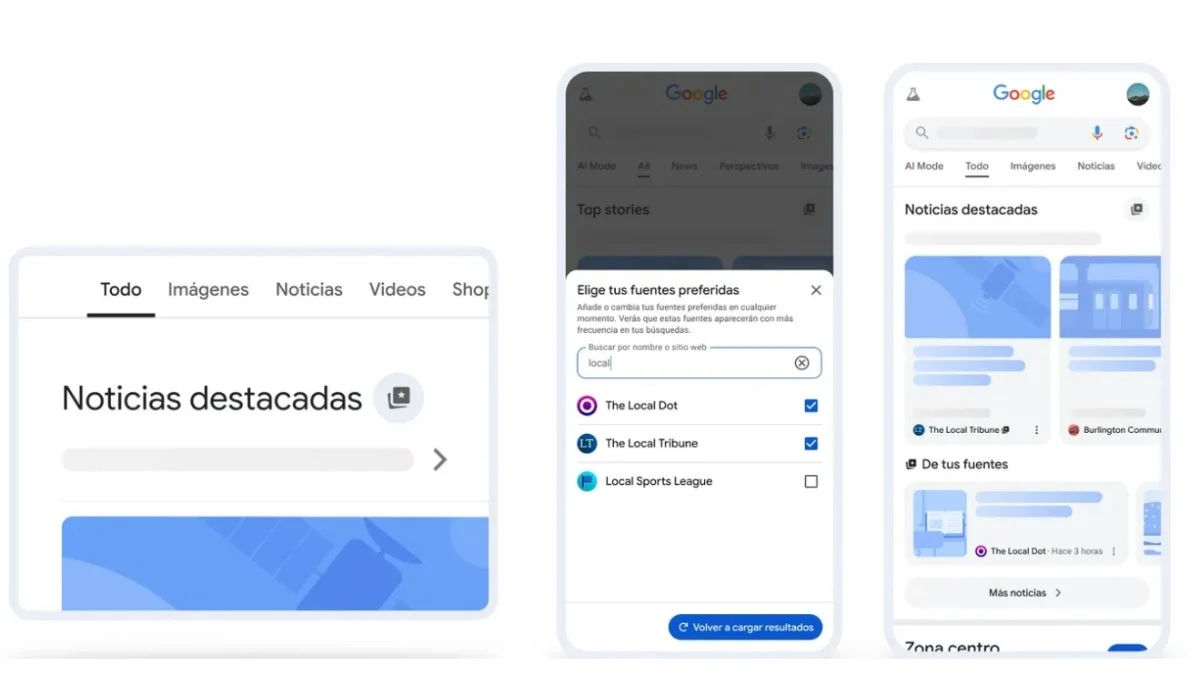
In an era defined by an overwhelming deluge of information, the ability to curate one’s digital consumption has transitioned from a luxury to a necessity. Recognizing this, Google has officially rolled out its "Preferred Sources" feature globally, across all languages. This significant update to the search giant’s algorithm empowers users to take command of their digital environment, ensuring that the media outlets they trust and value most appear with greater frequency and priority within the "Top Stories" and search results sections.
For readers who rely on RPP for high-quality, rigorous, and timely journalism, this development offers a seamless way to stay informed. By designating RPP as a preferred source, you are not merely adjusting a setting; you are fine-tuning your information ecosystem to prioritize verified facts and in-depth reporting.
Understanding the "Preferred Sources" Mechanism
The implementation of "Preferred Sources" represents a shift in Google’s philosophy regarding user agency. Historically, search algorithms relied heavily on complex metrics like domain authority, social signals, and topical relevance to dictate what a user sees. While these metrics remain foundational, the new feature introduces a layer of user-driven preference that overrides standard patterns.
When you identify a source as "preferred," you are essentially signaling to the Google Knowledge Graph and search index that the content produced by that specific entity aligns with your personal standards for relevance and quality. For an outlet like RPP, which prides itself on extensive coverage of national and international affairs, sports, politics, and culture, this is an opportunity to ensure that our commitment to journalistic integrity reaches our audience without the interference of noise or misinformation.
A Brief Chronology of Content Curation on Google
The journey toward the current "Preferred Sources" update has been marked by several milestones in digital content delivery:
- The Early Search Era: In the late 1990s and early 2000s, search results were largely chronological or based on simple keyword density. User personalization was nonexistent.
- The Rise of Google News (2002): Google launched its dedicated news aggregator, which used algorithmic clustering to group related stories. This was the first major step in helping users navigate the daily news cycle.
- The Introduction of Personalization (2005-2010): Google began incorporating search history and location data to tailor results. While helpful, it often led to "filter bubbles," where users only saw what the algorithm thought they wanted to see.
- Google Discover (2018): Perhaps the most significant precursor to the current update, Discover moved away from active search queries, instead "pushing" content to users based on their historical interests.
- The Global Launch of "Preferred Sources" (2024-2025): The current iteration represents the culmination of these efforts, placing the final decision-making power directly into the hands of the reader, allowing for a hybrid model of algorithmic intelligence and human intent.
Step-by-Step: How to Prioritize RPP
Configuring your Google experience to prioritize RPP is a straightforward process designed to be accessible for both novice and power users.
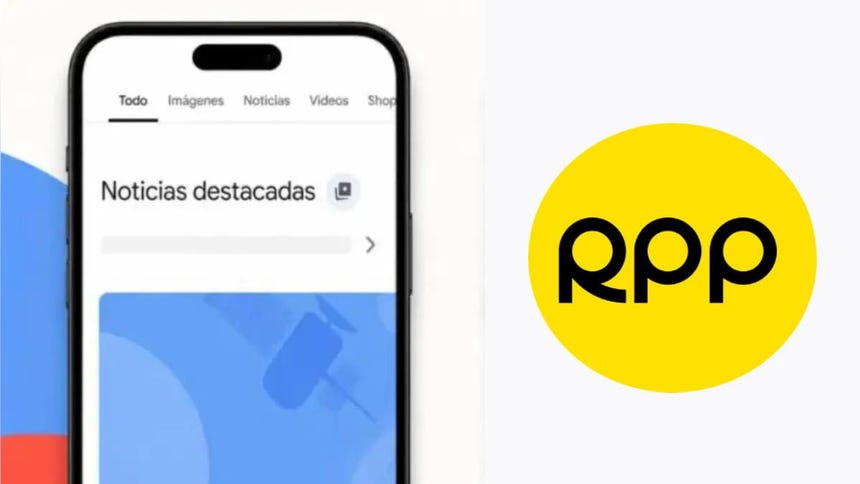
1. The Direct Configuration Method
To manually add RPP to your list of preferred sources, follow these steps:
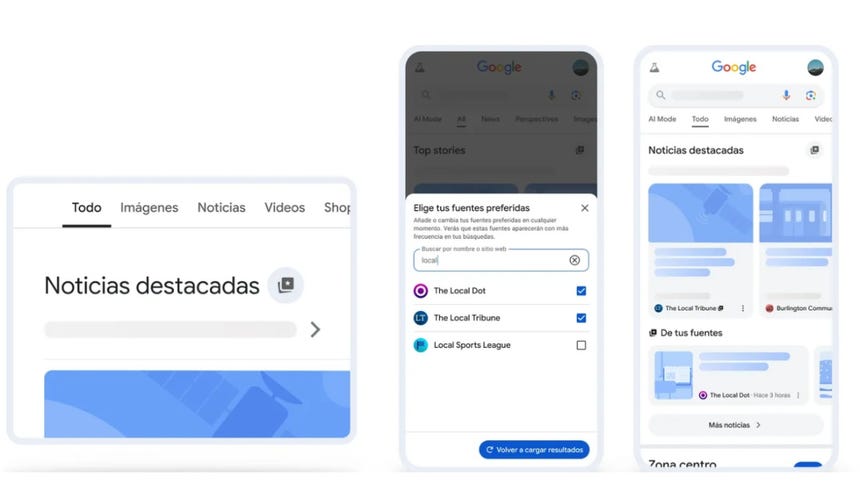
- Navigate to the Google Preferred Sources settings page.
- Ensure you are logged into your Google account to ensure the changes sync across your devices (Android, iOS, and desktop).
- Select the "Add" or "Follow" option corresponding to RPP.
- Once saved, the Google algorithm will begin adjusting your future search results and news feeds to elevate RPP’s content.
2. Utilizing the "Follow" Feature
Alternatively, you can navigate directly to RPP’s Google Profile. Clicking the "Follow" button here is an immediate way to integrate RPP into your Google ecosystem. This ensures that when you open the Google app on your mobile device, our latest reports are more likely to populate your main feed.
The Role of Google Discover in Your Daily Routine
Beyond standard search queries, "Google Discover" remains one of the most effective ways to consume news on the go. Unlike traditional search, which requires you to ask a question, Discover acts as a curated magazine tailored to your specific interests.
By following RPP within the Discover interface, you ensure that our breaking news updates, investigative reports, and editorial pieces appear automatically on your phone’s home screen or within the Google app. This functionality is consistent across both Android and Apple devices, making it a universal tool for staying informed.
Why Quality Journalism Matters in a Digital Feed
The implications of using "Preferred Sources" extend far beyond mere convenience. In an age where misinformation can spread at the speed of a click, the conscious selection of reputable news sources is a vital act of media literacy.
The Impact on Information Integrity
When users actively choose their sources, they foster a healthier information environment. By choosing to prioritize RPP, you are supporting a media model that invests in on-the-ground reporting, fact-checking, and editorial oversight. Google’s algorithm, while powerful, is ultimately a tool; by feeding that tool with high-quality, trusted sources, you improve the overall quality of the data that the algorithm prioritizes for everyone.
Implications for Media Literacy
The ability to curate one’s feed is a direct challenge to the "filter bubble" phenomenon. When users intentionally select sources that provide objective and diverse perspectives, they become more informed citizens. RPP remains committed to providing a broad spectrum of news that covers the needs of the community, and by prioritizing us, you ensure that your feed is not just a reflection of your past interests, but a gateway to current events that matter.
Addressing Potential Technical Hurdles
While the "Preferred Sources" feature is designed to be intuitive, users may occasionally encounter synchronization issues. If you find that RPP’s content is not appearing as expected, consider the following troubleshooting tips:
- Check Sync Settings: Ensure that "Web & App Activity" is turned on in your Google Account settings. If this is disabled, Google cannot save your source preferences.
- App Updates: Ensure that your Google App or Chrome browser is updated to the latest version. Older software may not support the newest interface elements for "Preferred Sources."
- Clear Cache: Sometimes, old search data can interfere with new preferences. Clearing your browser cache can often resolve discrepancies in feed display.
Conclusion: A Partnership for Informed Citizens
The launch of the "Preferred Sources" feature is more than just a software update; it is an acknowledgment that the reader’s time and trust are the most valuable commodities in the digital age. At RPP, we view this as an opportunity to deepen our relationship with our audience.
By taking these few minutes to configure your Google feed, you are taking a proactive step toward a more organized, reliable, and meaningful digital experience. Whether you are tracking the latest in national politics, keeping an eye on economic developments, or catching up on local sports, our team remains dedicated to delivering the content you need with the accuracy you expect.
We invite you to join our community on Google today. Set RPP as your preferred source, and let us bring the world’s most important stories directly to you, tailored to your preferences, and verified by our rigorous standards of journalism. Stay informed, stay ahead, and stay connected with RPP.