Executive Summary
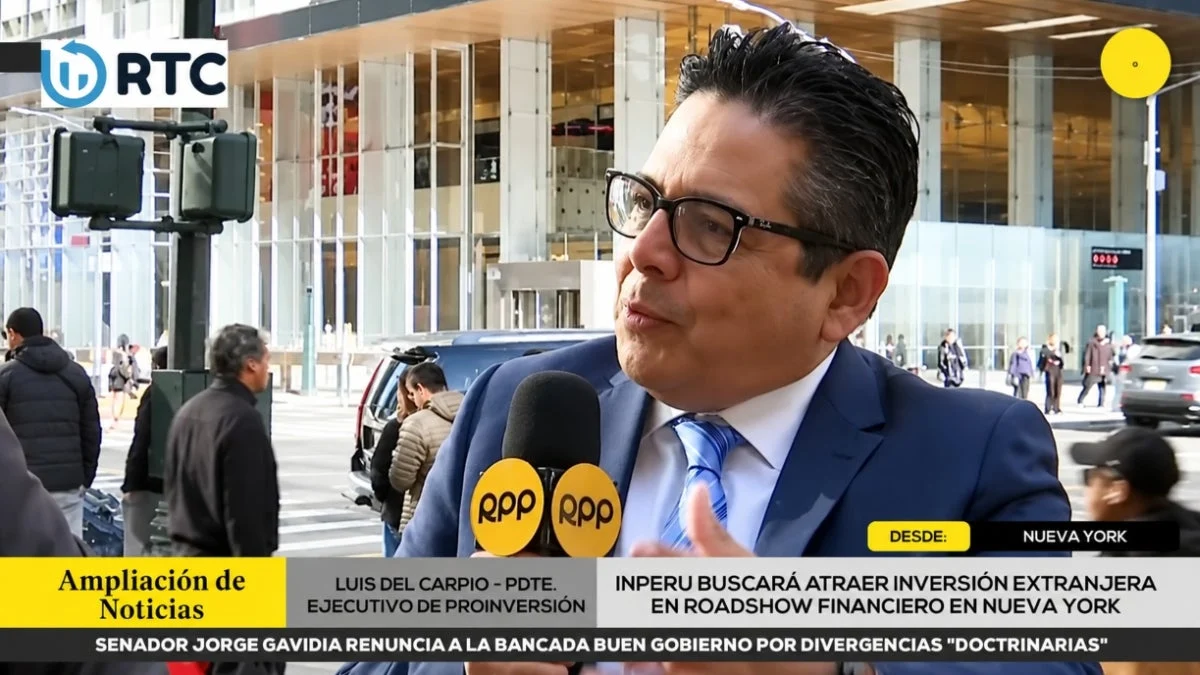
In a pivotal development for Peru’s energy sector, Petroperú is nearing the final stages of securing a massive $2 billion financing package. This critical capital injection, spearheaded by a consortium of major American and European financial institutions, is designed to serve as a cornerstone for the state-owned oil company’s broader restructuring efforts. According to Luis Del Carpio, Executive Director of ProInversión, this infusion of capital will provide the necessary liquidity to purchase crude oil, stabilize supply chains, and restore the firm’s operational cycle. The announcement, made during the prestigious "InPerú 2026" business summit in New York, signals a renewed sense of institutional confidence in the government’s efforts to reform the national oil champion.
The Core Financial Operation: A Strategic Partnership
The financial package, valued at $2 billion, represents more than just a loan; it is a vote of confidence in the structural reforms currently being implemented by the Peruvian government. As stated by Del Carpio, the deal is in its final phase of negotiation.
The consortium includes industry titans Citibank and JPMorgan, alongside two prominent European financial institutions whose identities are expected to be finalized as the deal closes. This mix of American and European capital is indicative of a diversified backing strategy, aimed at insulating the company from regional volatility and ensuring a stable credit profile.
The Purpose of the Funds
The primary objective of this capital is to revitalize Petroperú’s "working capital" cycle. By securing these funds, the company will be able to:
- Optimize Crude Acquisition: Eliminate bottlenecks in the supply chain by ensuring timely payments to international crude suppliers.
- Operational Continuity: Resume full-scale refining operations, which have faced intermittent challenges due to liquidity constraints.
- Debt Servicing and Restructuring: Use the credit facility to manage existing obligations while transitioning to a leaner, more efficient business model.
Chronology: The Path to Financial Recovery
To understand the significance of this $2 billion injection, one must look at the timeline of events that led to the current state of reform.
2025: The Year of Urgency
Throughout 2025, Petroperú faced significant headwinds, characterized by mounting debt, credit rating pressures, and operational inefficiencies. Recognizing the systemic risk this posed to the national economy, the government issued a Decree of Urgency in December 2025. This decree was the legislative catalyst for the comprehensive restructuring of the company, mandating improved governance, fiscal transparency, and strategic asset management.
Early 2026: Setting the Foundation
The months leading up to the InPerú 2026 summit saw a flurry of diplomatic and commercial activity. Notably, Petroperú signed a strategic procurement agreement with Petroecuador just weeks prior. This agreement was a deliberate move to diversify energy sourcing and improve the cost-effectiveness of raw material acquisition, a strategy that impressed international investors and signaled that the company was serious about its internal cleanup.
Mid-2026: The New York Summit
During the InPerú 2026 summit in New York, government officials and ProInversión representatives held direct consultations with international investment funds. The goal was to provide clarity on the "Restructuring Roadmap." The progress reported by Del Carpio at this event marks the culmination of months of intense financial diplomacy.
Supporting Data: Why Investors Are Returning
The skepticism that once surrounded Petroperú is slowly being replaced by guarded optimism. The rationale for the banks’ involvement lies in the multi-pronged approach the government has taken to address the firm’s long-standing issues.
1. Improved Governance
The restructuring plan has moved away from political interference and toward professional management. The introduction of independent board members and stricter internal auditing protocols has been a key demand from institutional creditors.
2. Strategic Asset Allocation
The government has emphasized "Patrimonial Blocks"—a strategy of identifying and leveraging specific assets that can be monetized or optimized to provide long-term sustainable revenue, rather than relying solely on state subsidies.
3. Supply Chain Reliability
The Petroecuador agreement served as a proof-of-concept. By securing reliable, transparent, and competitively priced fuel supplies, Petroperú has demonstrated that it is capable of forming sophisticated international partnerships that protect its margins.
Official Responses and Stakeholder Perspectives
ProInversión: The Voice of Confidence
Luis Del Carpio has been the primary architect of this message to the international community. "We have explained the policy that this government is implementing for Petroperú—improving governance, the purchasing policy, and the patrimonial blocks—all linked to having a sustainable company," Del Carpio stated in New York.
He emphasized that the reception from American investment funds has been "very good." By framing the company not as a burden but as a "reforming entity," the government has successfully reframed the conversation from "bailout" to "investment in stabilization."
The Banking Consortium’s View
While specific bank spokespeople have remained tight-lipped due to the ongoing nature of the negotiations, the participation of JPMorgan and Citibank is in itself a significant endorsement. These institutions rarely participate in debt packages for state-owned entities unless there is a clear, government-backed structural guarantee and a credible path to financial solvency.
Political Implications
For the current administration, the success of this deal is a vital political victory. It validates the December 2025 Decree of Urgency and provides a buffer against opposition criticism regarding the management of state enterprises. If the $2 billion injection leads to a visible improvement in fuel distribution and financial stability, it could serve as the bedrock for the country’s energy policy for the remainder of the decade.
Implications for the Peruvian Economy
The successful closure of this financing operation will have ripple effects throughout the Peruvian economy.
Energy Security and Inflation Control
Petroperú remains a primary provider of refined fuels for the domestic market. By ensuring the company can purchase crude oil without interruption, the government is effectively hedging against fuel shortages and price spikes that could exacerbate inflation.
Investor Confidence
The ability to attract American and European capital to a state-run entity sends a signal to the broader global market that Peru remains a stable environment for investment. It proves that the government can navigate complex financial negotiations and adhere to international standards of corporate governance.
The Path Forward: Long-Term Sustainability
While the $2 billion is a massive step forward, it is not the end of the road. The company still faces the challenge of long-term debt repayment and the transition toward cleaner energy sources. The restructuring plan is designed to be a three-to-five-year process. The next phase will likely involve:
- Operational Efficiency Audits: Further cutting of administrative fat.
- Asset Monetization: Divesting non-core assets to focus on the refining and distribution strengths of the company.
- ESG Integration: As global banks face pressure to divest from fossil fuels, Petroperú will need to demonstrate that its future operations include a clear transition toward renewable energy integration to remain attractive for future capital.
Conclusion
The closing of this $2 billion financing deal is a watershed moment for Petroperú. By bridging the gap between its current operational difficulties and a future of potential profitability, the company is positioning itself to reclaim its status as a reliable engine for the Peruvian economy. With the backing of international giants like Citibank and JPMorgan, the firm is signaling to the world that it is undergoing a profound transformation—one that moves beyond the failures of the past toward a more stable, transparent, and commercially viable future. As the ink dries on these final agreements, all eyes will be on the company’s ability to execute its restructuring plan with the same precision it utilized to secure its new financial lifeline.