Executive Summary: A Rocky Start for Apple’s Foldable Pioneer
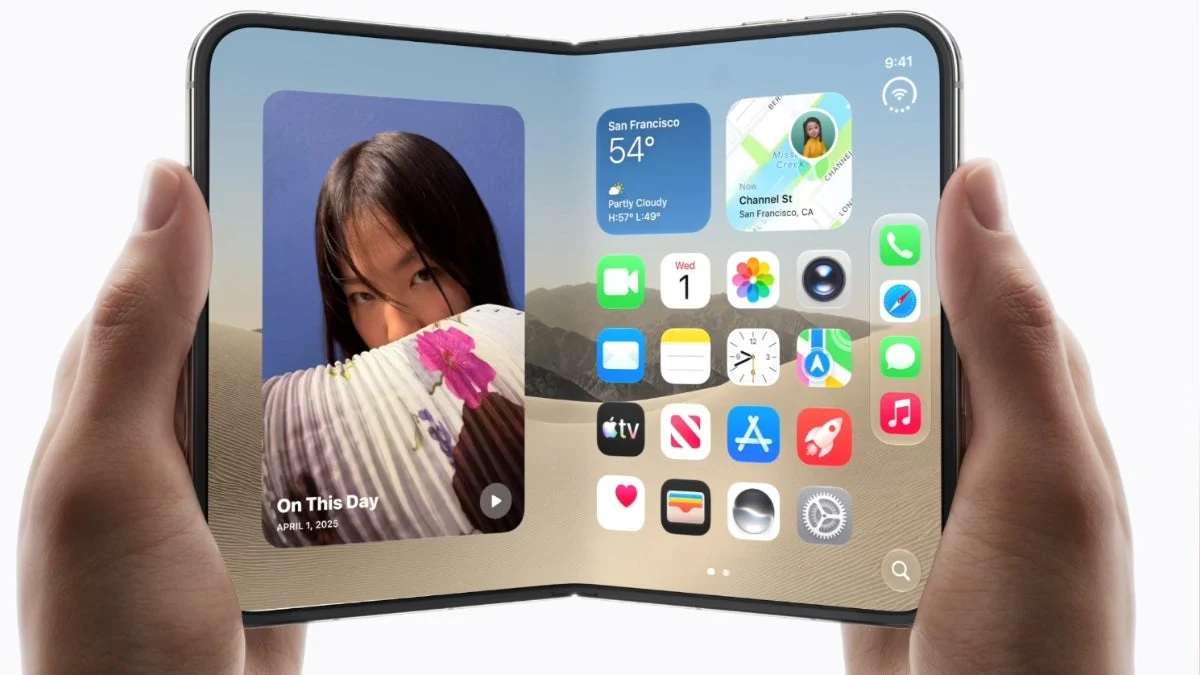
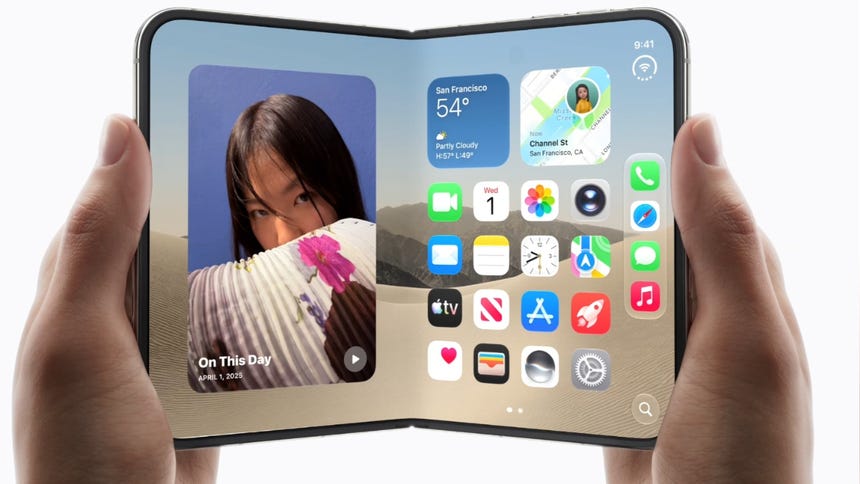
The smartphone industry has long awaited Apple’s foray into the foldable market, a category dominated for years by competitors like Samsung and Google. With the launch of the iPhone Duo, Apple aimed to redefine the premium mobile experience, positioning the device as a transformative bridge between a compact 5.4-inch smartphone and a sprawling 7.6-inch tablet. However, just days after its highly anticipated global release, the narrative surrounding the $1,999 device has shifted from innovation to anxiety.
Following a wave of user reports documenting premature screen degradation—specifically cracks and unsightly striations along the central hinge—Apple has been forced into damage control. While the company maintains that the issue is isolated to a "small number of units," the optics of a hardware failure on a flagship product carrying such a hefty price tag have triggered widespread debate regarding the durability of foldable display technology and the efficacy of Apple’s rigorous quality control standards.
Chronology of a Technical Setback
The timeline of the iPhone Duo’s rollout serves as a cautionary tale of the pressures inherent in cutting-edge hardware manufacturing.
- Launch Day: The iPhone Duo arrives in Apple Stores and pre-order doorsteps globally, accompanied by aggressive marketing campaigns highlighting the proprietary "Liquid Retina Flex" hinge system.
- Initial Hype: Early reviews praise the software integration and the seamless transition between the compact and expanded modes.
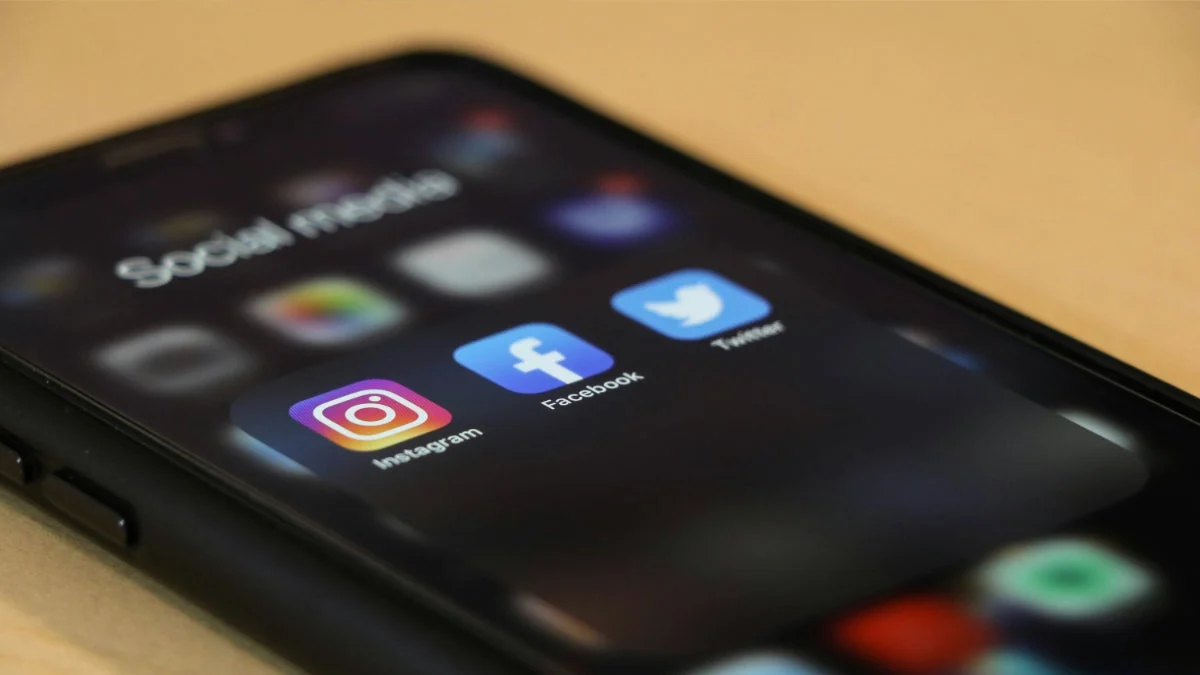
- The First Reports: Within 48 hours, early adopters on platforms like Reddit and X (formerly Twitter) begin posting high-resolution images of their devices. The images depict distinct horizontal fissures appearing directly on the crease of the internal display.
- The Viral Surge: As the images gain traction, media outlets begin to pick up the story, creating a perception of a systemic "hinge-gate" crisis.
- The Counter-Narrative: Tech analysts and forensic image experts begin to flag several viral posts as "digitally enhanced" or outright fabrications created via generative AI, muddying the waters between legitimate manufacturing defects and internet-driven hyperbole.
- Official Intervention: Apple issues a formal statement to international press outlets, acknowledging the existence of the screen issues while simultaneously urging calm and pointing consumers toward AppleCare.
Understanding the "Crease" Conundrum: Engineering vs. Reality
The mechanical challenge of a foldable device lies in the physics of the display panel. To achieve a foldable form factor, Apple utilizes an ultra-thin glass (UTG) layer bonded to a flexible polymer substrate. The stress placed on this material at the apex of the fold is immense, particularly in cold environments or during repetitive, rapid folding cycles.
The Complexity of the Hinge
Engineers have noted that the iPhone Duo’s "Gravity-Pivot" hinge is a marvel of miniaturization. However, any microscopic particle of dust or debris trapped within the hinge mechanism during the closing process can create a "point-pressure" effect. When the screen is then folded, that pressure acts like a needle against the delicate display layer, leading to the cracks reported by users.
While Apple has implemented a proprietary sealing system to prevent dust ingress, it appears that the threshold for failure in early units may be lower than anticipated by the company’s internal stress-test simulations.
The Official Stance: Apple’s Response and Damage Control
Apple’s communications strategy has been characteristically brief. In a statement provided to the press, a spokesperson emphasized that the company is "aware of a technical issue affecting the internal display of a small number of iPhone Duo units."
The company is currently directing all affected customers to contact AppleCare, the company’s premium technical support service. By funneling the issue through established support channels, Apple is attempting to control the narrative—ensuring that every case is vetted by a technician before a replacement is authorized. This serves two purposes: it prevents fraudulent claims and allows the company to collect the defective units for forensic engineering analysis to determine if the issue is a design flaw or a batch-specific manufacturing defect.
Despite the technical turbulence, Apple remains outwardly confident. "The response to the iPhone Duo from early adopters has been incredibly positive," the statement concluded. "We are seeing exciting, innovative uses of the device from developers, and we remain fully committed to the long-term potential of this form factor."
Market Implications: Price, Scarcity, and Consumer Trust
The technical issues arrive at an inopportune time for Apple’s supply chain. The iPhone Duo is currently suffering from significant inventory shortages. Because the device is produced using a complex, multi-stage manufacturing process, replacing units that suffer from screen defects is not as simple as pulling stock from a shelf.
The Financial Burden
The price tag of $1,999 is significant, but the hidden cost of ownership is even more daunting. Without the $199 AppleCare+ protection plan, the cost to repair the internal foldable screen is set at a staggering $999—effectively half the cost of the device itself. This has led to a surge in consumers purchasing insurance retroactively, fearing that their own devices might succumb to the same fate as the units seen on social media.
The "AI-Generated" Misinformation Problem
One of the most complex aspects of this situation is the role of digital misinformation. As noted by independent technology analysts, at least three of the most widely shared images showing "shattered" iPhone Duo screens were identified as AI-generated composites. This phenomenon complicates the public perception of the product, as legitimate user complaints are now being conflated with malicious or sensationalist content. For the consumer, this creates an environment of extreme uncertainty, where it is difficult to determine if a defect is a common occurrence or a statistical anomaly.
The Road Ahead: What’s Next for the iPhone Duo?
For Apple, the immediate priority is to stabilize the user experience. Industry insiders suggest that the company will likely implement a "silent update" to the manufacturing process, reinforcing the hinge housing and adjusting the tension of the folding mechanism in units currently being assembled.
Long-term Reputation Management
The brand equity of the iPhone has always been predicated on "it just works." A foldable device that breaks within a week threatens this foundational promise. If the reports of screen cracks continue to climb, Apple may be forced to initiate a voluntary exchange program—a move that would be costly but necessary to maintain consumer confidence.
The Developer Ecosystem
Despite the hardware jitters, the software side of the iPhone Duo has been widely lauded. Developers have been quick to adapt applications to the 7.6-inch screen, creating "split-pane" experiences that turn the device into a productivity powerhouse. If the hardware can be stabilized, the software foundation is clearly strong enough to support a long-term future for the product line.
Conclusion
The iPhone Duo represents Apple’s boldest hardware leap in a decade. While the current reports of screen fractures are concerning, they are also a hallmark of the "first-generation" curse that has plagued every major foldable device to date. For now, the tech giant is betting that the allure of the form factor and the robustness of the Apple ecosystem will outweigh the initial growing pains.
As the company works to replace the affected units and investigate the root cause of the hinge failures, the tech world will be watching closely. For potential buyers, the message is clear: the iPhone Duo is an engineering marvel, but one that is currently in its infancy. Whether the device becomes a revolutionary standard-setter or a cautionary chapter in Apple’s history will depend entirely on how the company handles the next few weeks of customer support and hardware refinements.