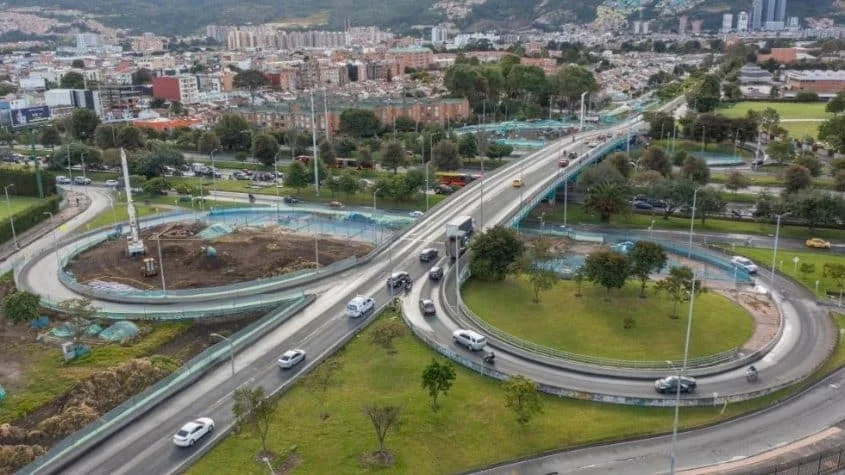
The landscape of Paraguay’s metropolitan mobility is undergoing a significant transformation. As the nation pushes forward with an ambitious infrastructure agenda, the construction of the viaduct within the Corredor Vial Las Residentas has emerged as a cornerstone project. With an execution rate currently standing at 65%, the initiative led by the Ministry of Public Works and Communications (MOPC) is poised to fundamentally alter the daily commute for approximately 500,000 citizens. This critical artery, designed to bridge the gap between the cities of Luque and Asunción, represents not merely a feat of engineering, but a vital investment in the socioeconomic integration of the country’s most densely populated region.
The Engineering Challenge: Precision and Progress
The construction of a major viaduct in an active urban zone requires meticulous planning and execution. According to the latest technical reports, the project has reached a pivotal stage. Of the eight structural sections that comprise the viaduct’s deck, seven have already been successfully hormigonadas (poured with concrete). The final section is scheduled for completion this week, marking a major milestone that will transition the project from the primary structural phase to the finishing and integration phase.
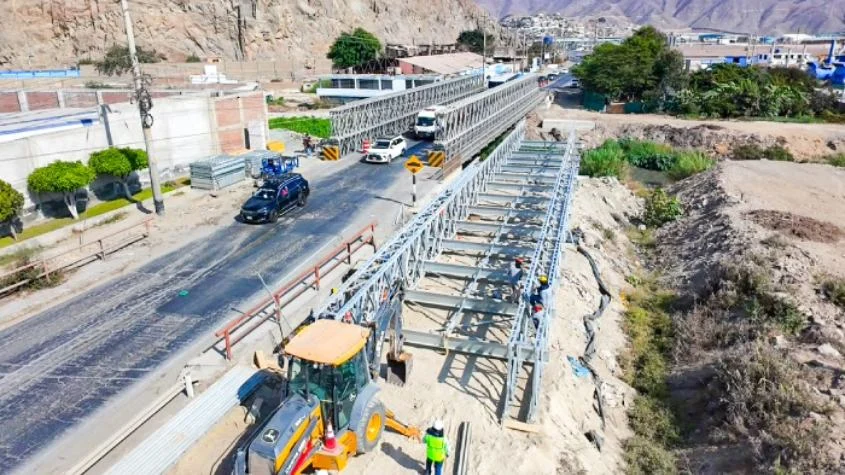
Beyond the main deck, the project is a hive of multifaceted activity. Construction crews are currently focused on the structural integrity of the access ramps, which serve as the critical transition points for vehicular traffic. The installation of precast concrete blocks, coupled with extensive earthworks involving terrain filling and stabilization, ensures that the structure can withstand both the environmental stressors of the region and the high volume of daily traffic anticipated upon its opening.
Furthermore, the installation of "New Jersey" type safety barriers is underway. These barriers are essential for ensuring traffic safety, providing a robust separation between lanes and protecting the structural integrity of the bridge from potential vehicular impact. The concurrent work on connecting the elevated passage with the existing urban road network is arguably the most complex aspect of the current phase, as it requires seamless integration with pre-existing traffic patterns.
A Strategic Vision for Metropolitan Mobility
The decision to prioritize the Las Residentas corridor stems from years of chronic traffic congestion between Luque and the capital, Asunción. As the urban sprawl has expanded, existing thoroughfares have become overwhelmed, resulting in significant economic losses due to wasted transit time and increased vehicle maintenance costs.

The MOPC’s strategy is clear: by creating a high-capacity, uninterrupted flow through this viaduct, the ministry aims to create a "bottleneck-free" zone. This is intended to stimulate commercial activity by facilitating faster logistics, improving public transportation reliability, and enhancing the overall quality of life for residents who spend a significant portion of their days in transit.
Official Oversight: Leadership in the Field
The importance of the project to the national government was underscored by a recent site inspection conducted by the President of the Republic, Santiago Peña, and the Minister of Public Works and Communications, Claudia Centurión. Their presence serves as both a performance audit and a signal of the administration’s commitment to delivering key infrastructure projects on schedule.
During the visit, officials examined the connection points near Tape Tuja, where the calzada (roadway) is being meticulously aligned with the elevated ramp. In the southern sector, the progress is equally visible, with heavy machinery engaged in excavation and the installation of "pedraplén" (stone embankments). These foundational layers are critical for the durability of the road surface, particularly in sectors bordering the Ñu Guasu Park, an area of high environmental sensitivity that requires careful handling of runoff and land management.
Minister Centurión highlighted the necessity of these interventions, noting that the connectivity provided by this viaduct is not an isolated benefit but a link in a broader chain of infrastructure upgrades aimed at modernizing Paraguay’s transit corridors.
Technical Execution and Accountability
The successful delivery of the Las Residentas Viaduct is a collaborative effort between the state and the private sector. The execution of the works has been entrusted to the construction firm Benito Roggio e Hijos S.A., a company with a long-standing history in regional infrastructure. Their responsibility covers the technical implementation, material procurement, and the deployment of specialized labor forces.

To ensure compliance with stringent international engineering standards, the project is subject to rigorous oversight by the Consorcio INCELEC. This fiscalization body acts as the independent auditor of the project, monitoring quality control, safety protocols, and budget management. This dual structure—where the contractor executes and the consortium audits—is designed to mitigate risks and ensure that the final product meets the design life specifications set forth in the initial tender.
Supporting Data and Broader Context
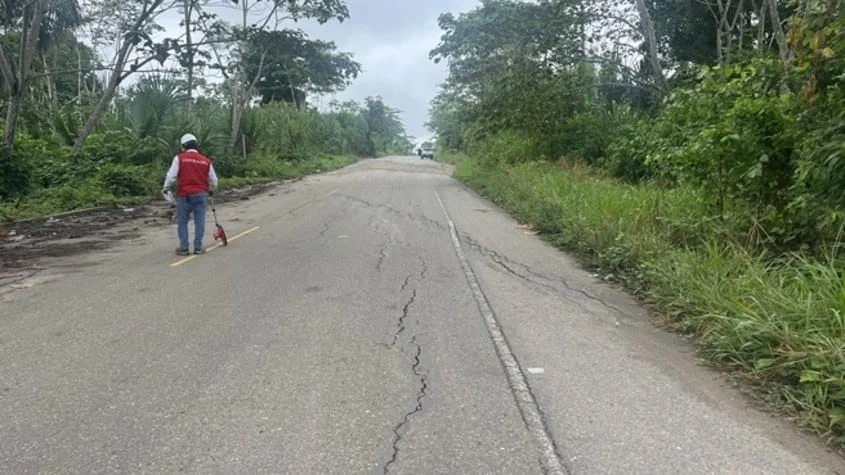
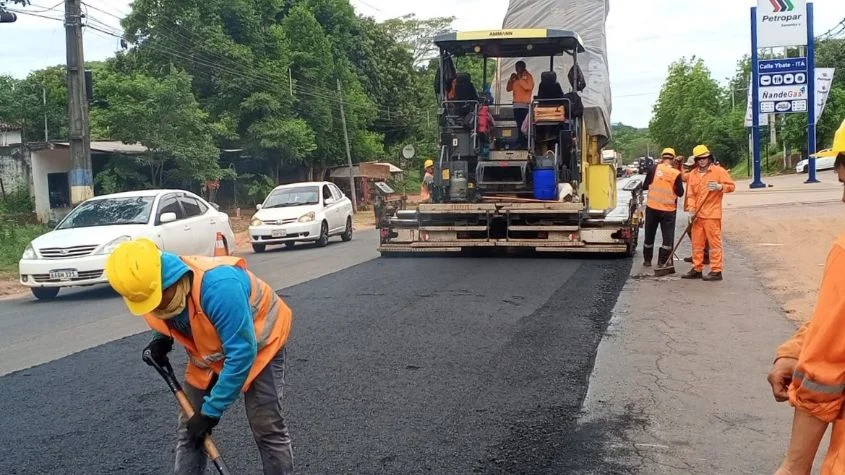
While the Las Residentas Viaduct is a centerpiece of current urban infrastructure, it exists within a broader context of nationwide road improvements. As evidenced by simultaneous projects—such as the milling and resurfacing work currently progressing on the 20th kilometer of the Ruta D027—the government is pursuing a holistic strategy of road maintenance and expansion.
The "Paraguay Infrastructure Outlook" suggests that investments in these key corridors are directly correlated with an increase in local GDP growth. By reducing travel time, the cost of goods transport decreases, potentially lowering consumer prices for goods delivered between Luque and Asunción. Moreover, the project creates hundreds of direct and indirect jobs, providing a stimulus to the local construction materials market.
Key Technical Milestones:
- Structural Completion: 87.5% of the deck slab is currently completed.
- Safety Infrastructure: Implementation of standard high-resistance barriers is 60% complete.
- Environmental Integration: Specialized drainage and embankment work near the Ñu Guasu Park area is nearing the final stages of the primary phase.
- Project Oversight: Continuous monitoring by the Consorcio INCELEC remains the primary safeguard for project quality.
Implications for the Future
The completion of the Las Residentas project will mark a turning point for the Asunción metropolitan area. As the urban population continues to shift and grow, the ability of the government to provide efficient transit solutions becomes the primary determinant of urban competitiveness.
When the viaduct is eventually commissioned for public use, it will likely reduce travel times by an estimated 20 to 30 minutes during peak hours. This shift will allow for more predictable commuting schedules, reducing stress on the workforce and lowering the carbon footprint of the metropolitan area by minimizing engine idling in traffic queues.

Beyond the immediate utility, the project serves as a model for future infrastructure tenders in Paraguay. The transparency in reporting, the visible presence of government officials, and the clear definition of roles between the construction firm and the supervising consortium are elements that build public trust. As the project enters its final, most critical months, the focus remains on maintaining the pace of construction while ensuring that the quality of materials and the safety of the workers are never compromised.
In summary, the Corredor Vial Las Residentas is more than a bridge or a series of ramps; it is a vital artery for the economic heart of Paraguay. As the final sections of the deck are poured and the finishing touches are applied to the access ramps, the anticipation for the project’s inauguration continues to build. For the 500,000 citizens of the Luque-Asunción axis, this viaduct represents the promise of a more connected, efficient, and modern future. The administration’s focus on this project signals a shift toward a more robust national infrastructure policy, one that prioritizes long-term utility and regional development as the pillars of national progress.