SYDNEY, Australia — In a resounding demonstration of international cooperation and industrial synergy, the Peruvian delegation to the International Mining and Resources Conference (IMARC) 2026 has arrived in Sydney with a record-breaking contingent of 56 high-level representatives. The delegation, comprised of senior government officials, top-tier mining executives, specialized engineering service providers, and influential industry leaders, marks a pivotal moment in the bilateral relationship between Peru and Australia.
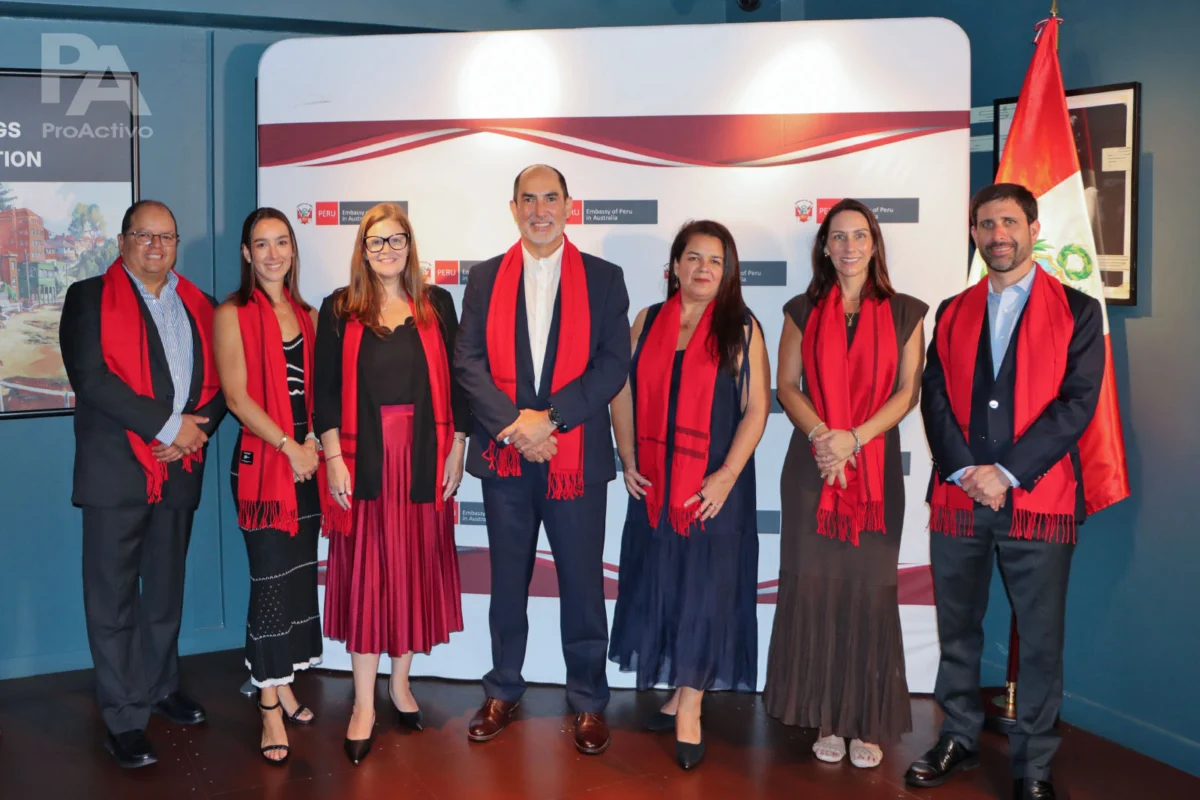
The official kick-off occurred at The Library Bar in Sydney, where the Embassy of Peru in Australia hosted a prestigious Welcome Cocktail. This event served not merely as a social gathering, but as the inaugural high-level networking platform designed to integrate the mining and energy ecosystems of both nations, setting the stage for what is expected to be the most productive IMARC iteration to date.
The Strategic Importance of the Peruvian Delegation
The sheer scale of the 2026 delegation reflects Peru’s commitment to cementing its role as a premier global mining jurisdiction. By bringing together a diverse group of stakeholders, the mission aims to showcase the maturity, sustainability, and technological advancement of the Peruvian mining landscape.
A High-Level Presence
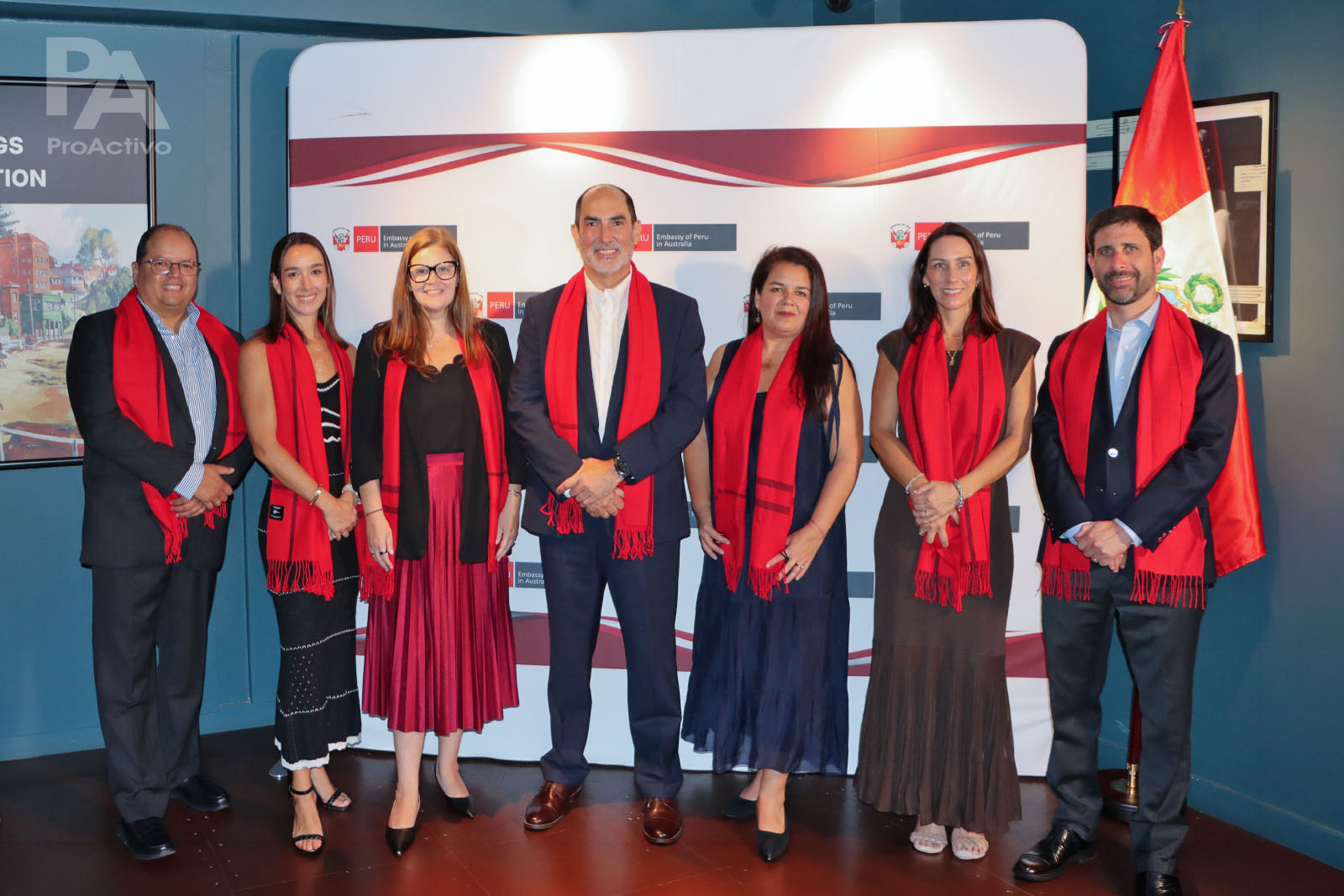
The event was graced by the presence of key figures from both the Peruvian government and the Australian diplomatic corps. Representing Peru were:
- Mayra Figueroa, Vice Minister of Mines of Peru.
- Walther León, Executive President of the Geological, Mining, and Metallurgical Institute (INGEMMET).
- Vitaliano Gallardo, Ambassador of Peru to Australia.
- Soledad Campos de Parry, Commercial Counselor for PromPerú in Australia and New Zealand.
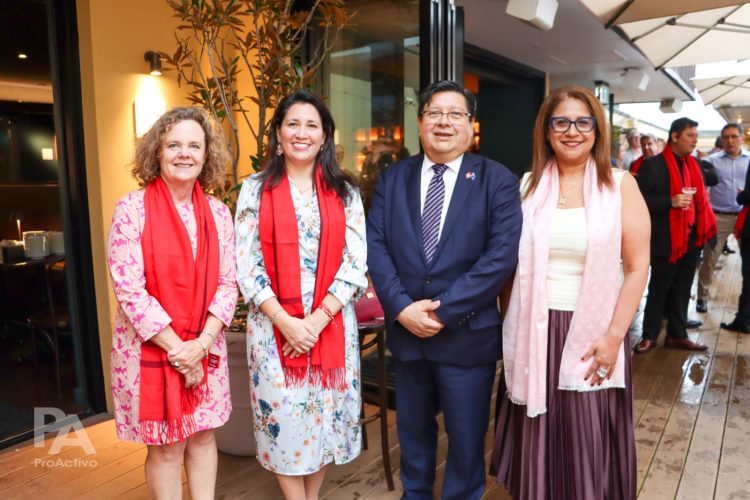
The Australian government and trade authorities were equally well-represented, signaling a strong desire for continued investment and collaboration:
- Paul Grimes, CEO of the Australian Trade and Investment Commission (Austrade).
- Diana Nelson, Director for Latin America at the Department of Foreign Affairs and Trade (DFAT) and former Ambassador to Lima.
- Caroline Conor, Lead for Investments and Critical Minerals at Austrade.
- Stewart, President of the Council on Australia-Latin America Relations (COALAR).
Chronology of Engagement: A Multi-Year Evolution
The success of the 2026 mission is the result of years of consistent effort to bridge the geographic divide between Sydney and Lima.
The Path to IMARC 2026
The current engagement is the culmination of a six-year trajectory of institutional strengthening. According to Carlos Castro, President of the Australia-Peru Chamber of Commerce (APCCI), this marks the fifth official delegation trip to Australia.
- Phase I (2020-2022): Initial relationship building and the identification of shared interests in critical minerals and mining technology.
- Phase II (2023-2025): The institutionalization of the partnership, characterized by increased bilateral trade and the exchange of technological know-how in sustainable mining practices.
- Phase III (2026): The maturation phase, where the Peruvian delegation arrives as an established partner capable of presenting a sophisticated, competitive, and transparent mining ecosystem to the global market.
Official Statements and Diplomatic Tributes
The Welcome Cocktail was highlighted by moments of both professional strategic outlooks and heartfelt personal milestones.
Ambassador Vitaliano Gallardo’s Vision
Ambassador Vitaliano Gallardo, whose tenure has been instrumental in the growth of this partnership, emphasized the unique position of the Peruvian delegation. "For our Australian counterparts, the Peruvian delegation stands as the primary interlocutor at this year’s IMARC," Gallardo stated. "This conference acts as a bridge, facilitating direct contact between the mining sectors of both nations. Our objective is to ensure that every interaction today translates into a concrete, dynamic agenda that benefits both our economies."
A Tribute to Diplomatic Legacy
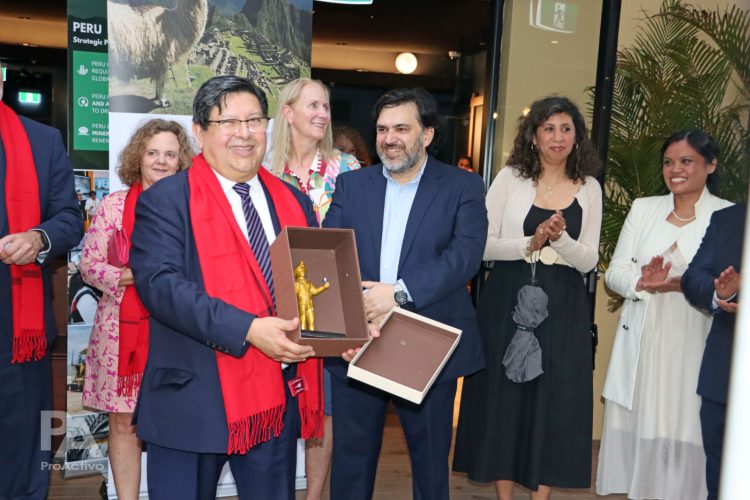
A poignant moment occurred when Carlos Castro (APCCI) honored Ambassador Gallardo, acknowledging that this would be his final IMARC as a diplomatic representative.
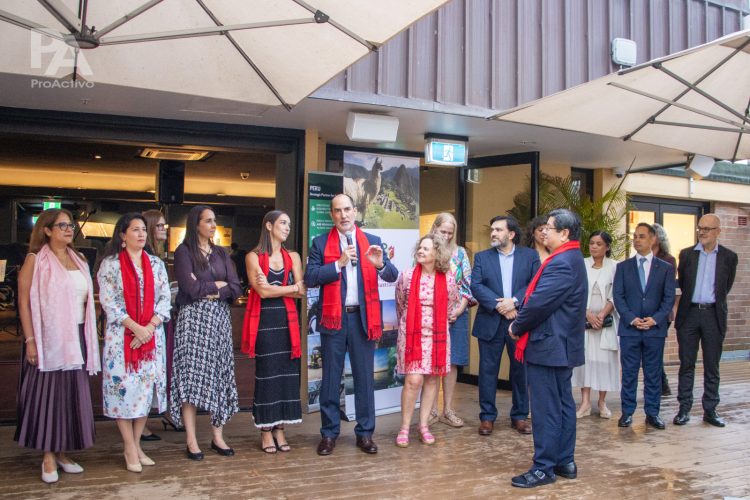
"Our history with the Chamber began about six years ago," Castro remarked. "This is our fifth visit to Australia with the delegation, and from the very first moment, Ambassador Gallardo has provided unwavering support. As he concludes his mission, we want to express our deepest gratitude. The unity of this year’s delegation is a testament to the foundation he helped build."
The View from Austrade
Valeria Beck, Director of Business Development at Austrade, underscored the success of the bilateral alliance. "We have seen a significant increase in the volume and quality of mining-related investment and collaboration over the last few years," she noted. "This progress would not have been possible without the active participation and openness of our Peruvian partners. Australia looks forward to the next chapter of this cooperation."
Supporting Data: The Industrial Ecosystem
The delegation is not merely a diplomatic exercise; it is a powerhouse of commercial interest. The inclusion of major industry players demonstrates the specific sectors where Peru and Australia are looking to deepen ties:
- Mining Giants: Representatives from Antamina, Glencore, and Las Bambas were present, highlighting the scale of operations that continue to drive the Peruvian economy.
- Engineering and Innovation: Leading service providers such as Confipetrol, Ferreyros, and Dyno Nobel were on hand to discuss the export of mining technology and efficiency solutions.
- Strategic Advisory: Global consultancies like EY are participating to provide the macroeconomic and regulatory context required for large-scale cross-border investments.
- Trade Networks: The presence of the Australia-Latin America Business Council (ALABC) and Austmine ensures that the conversation extends beyond the main conference floor into long-term supply chain integration.
Implications: The Future of Mining Cooperation
The presence of such a robust delegation at IMARC 2026 carries several profound implications for the global mining industry.
1. The Critical Minerals Corridor
As the global energy transition accelerates, the demand for copper, lithium, and other critical minerals has skyrocketed. Peru, with its vast geological wealth, and Australia, with its sophisticated mining technology and investment expertise, form a natural "Critical Minerals Corridor." This partnership is expected to fast-track exploration projects and the adoption of low-carbon mining technologies.
2. Standardizing ESG Practices
A recurring theme throughout the discussions is the "maturity" of the Peruvian mining sector. By aligning with Australian standards—which are among the most stringent in the world regarding Environmental, Social, and Governance (ESG) criteria—Peruvian mining companies are positioning themselves to be more attractive to international institutional investors who prioritize sustainability.
3. Economic Diversification
For Peru, the goal is clear: transition from being a primary resource provider to an integrated player in the global value chain. By fostering deeper ties with Australian engineering firms, Peruvian companies are gaining access to digital twin technologies, automated extraction processes, and AI-driven predictive maintenance, all of which are essential for the future of the industry.
4. A Model for South-South and Global Collaboration
The success of the APCCI and the Embassy’s coordination serves as a blueprint for how other emerging markets can engage with advanced economies. The systematic, multi-year approach—focused on building trust, shared institutional goals, and high-level networking—is a model that other Latin American nations are now looking to emulate.
Conclusion: A New Era of Collaboration
As IMARC 2026 officially gets underway, the consensus among the delegates is one of optimism. The "historic" nature of the 56-person delegation is more than just a statistic; it is a signal of intent. Peru is not merely looking for investment; it is looking for long-term partners to co-develop the next generation of mining projects.
With the guidance of seasoned diplomats like Ambassador Vitaliano Gallardo and the strong institutional backing of organizations like INGEMMET, PromPerú, and the APCCI, the Peruvian delegation is set to make a significant impact on the conference floor. As the sessions unfold, the focus will shift from the pleasantries of the cocktail reception to the hard work of contract negotiation, project scouting, and the strategic planning of future mining infrastructure.
The partnership between Peru and Australia, solidified in the halls of Sydney, is poised to become one of the most vital engines of the global mining industry in the coming decade.
This article is part of the IMARC 2026 Special Edition by ProActivo, the official media partner for the Peruvian delegation.