By [Your Name/Journalistic Desk]
In a landmark initiative aimed at bridging the infrastructure gap in rural Peru, the government has officially inaugurated a comprehensive rural electrification project in the Pampas de Clemesí, located in the province of Mariscal Nieto, Moquegua. This development marks a transformative milestone for 1,540 residents, signaling a new era of economic potential, educational advancement, and improved quality of life for the region’s agricultural communities.
The project, spearheaded by the Ministry of Energy and Mines (MINEM), reflects a strategic push to modernize rural utility networks. By extending the reach of the national grid into previously underserved areas, the government is not merely installing poles and cables; it is providing the fundamental infrastructure necessary for sustainable development in the 21st century.
Main Facts: Bringing Power to the Pampas
The electrification of Pampas de Clemesí represents a significant engineering achievement executed by the General Directorate of Rural Electrification (DGER) under the auspices of the MINEM. The scope of the work is extensive, designed to provide reliable, high-voltage, and secondary-voltage power to three critical local groups: the Association of Agricultural Producers of Pampas de Moquegua, the Los Ficus Population Group, and the Clemesí-Moquegua Irrigation Association.
Technically, the project encompasses the installation of 33 kV primary distribution networks and 380/220 V secondary networks. This grid architecture ensures that the supply is not only sufficient for domestic lighting but also robust enough to support agricultural machinery, small-scale industrial equipment, and modern household appliances.
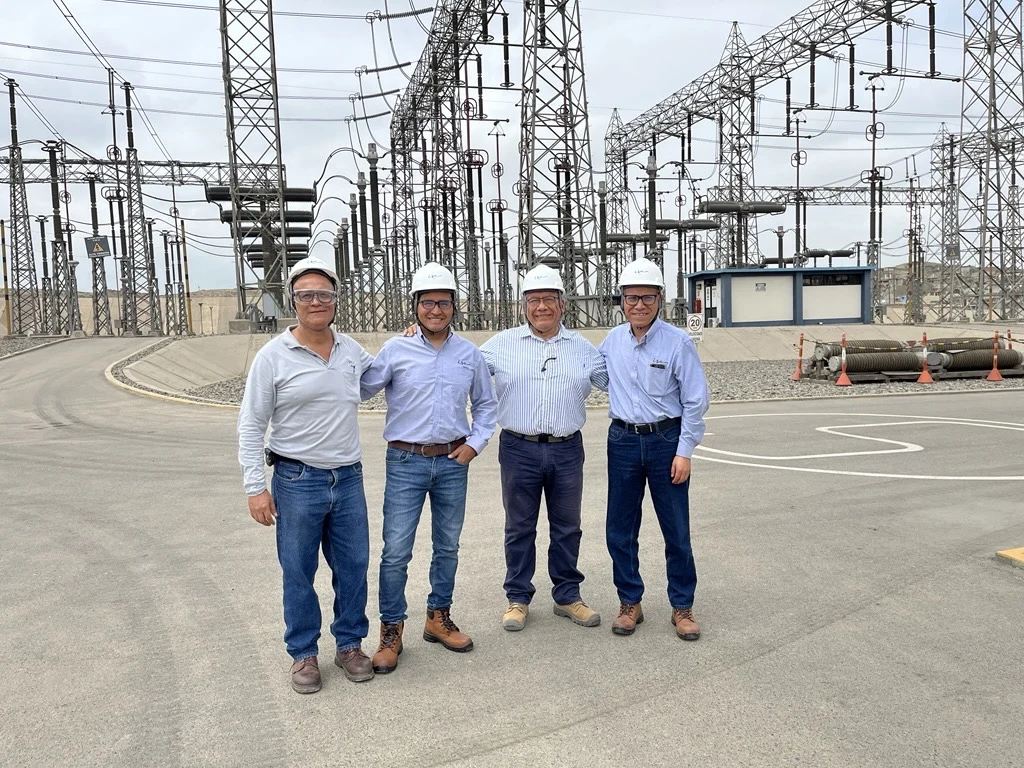
The successful activation of this project was made possible through a synergistic collaboration between the state and the private sector. Notably, the energy company Orygen played a pivotal role by commissioning the "Rubí" substation, which serves as the essential node for the 33 kV transmission line feeding the new network.
A Chronology of Progress: From Planning to Power
The path to electrification in Mariscal Nieto was a multi-year process characterized by rigorous planning and stakeholder coordination.
- Initial Assessment (Phase I): The DGER conducted feasibility studies to identify the specific energy requirements of the various agricultural associations in the Pampas de Clemesí. This phase prioritized areas where the lack of electricity was most severely hindering economic productivity.
- Engineering and Procurement (Phase II): Once the designs for the primary and secondary networks were finalized, the Ministry initiated the procurement process. This stage also saw the critical partnership with Orygen, which identified the technical path for grid integration via the Rubí substation.
- Construction and Technical Integration (Phase III): Throughout the construction phase, logistical challenges—including the region’s unique geography—were managed to ensure the installation of transmission lines that could withstand local conditions.
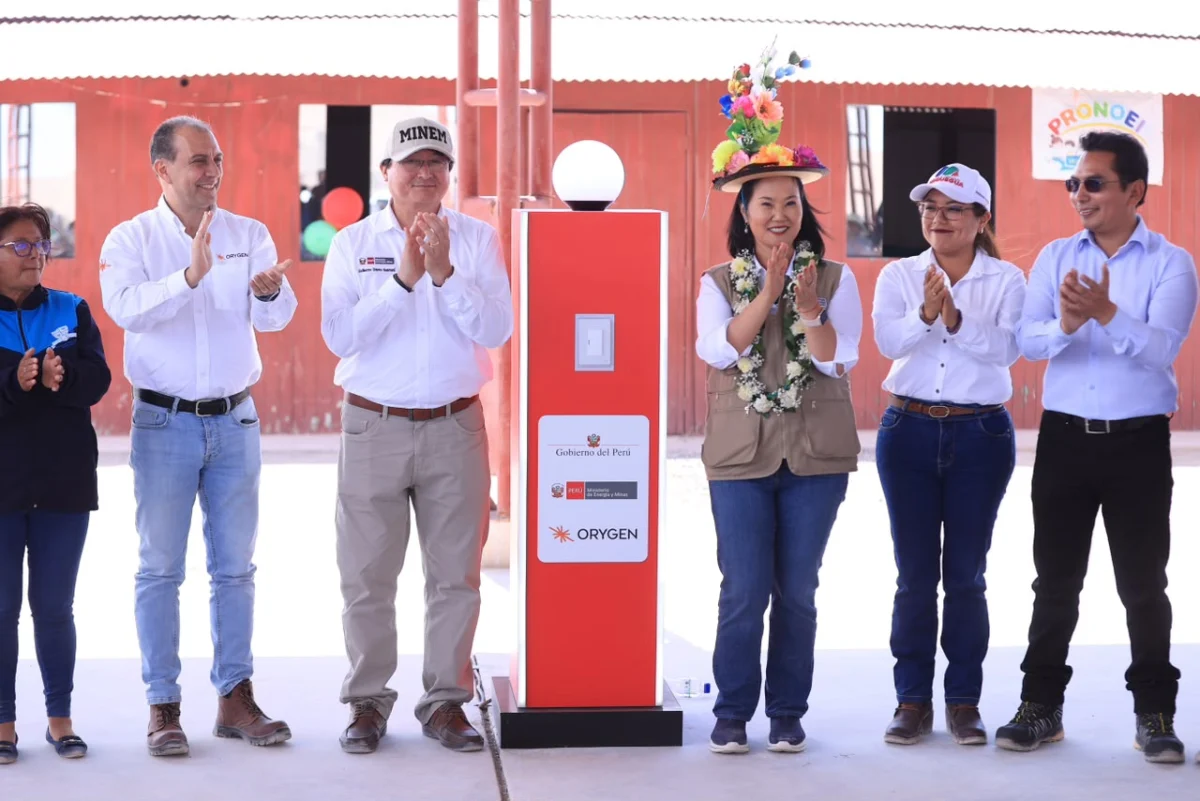
- The Commissioning (Phase IV): Following rigorous testing to ensure safety and stability, the system was energized. The final inauguration, attended by the President of the Republic and the Minister of Energy and Mines, served as the formal handover of the infrastructure to the community.
Supporting Data: Infrastructure and Impact
The electrification of Pampas de Clemesí is part of a broader national strategy to reach a 100% electrification rate in rural Peru. Key statistics regarding the project include:
- Beneficiary Population: 1,540 residents directly impacted.
- Technical Specifications: Integration of a 33 kV primary transmission line and a 380/220 V secondary distribution system.
- Associated Entities: Three major local associations (Agricultural Producers of Pampas de Moquegua, Los Ficus, and Irrigation Association Clemesí-Moquegua).
- Strategic Assets: The commissioning of the Rubí substation, which serves as the primary conduit for the energy supply.
These figures illustrate a shift from manual and fuel-dependent labor to an electrified production model, allowing farmers to process their goods locally, maintain cold chains for agricultural products, and optimize irrigation schedules.
Official Perspectives: A Vision for a "City of Light"
The inauguration ceremony featured remarks from high-ranking officials who framed the project as a victory for social equity.
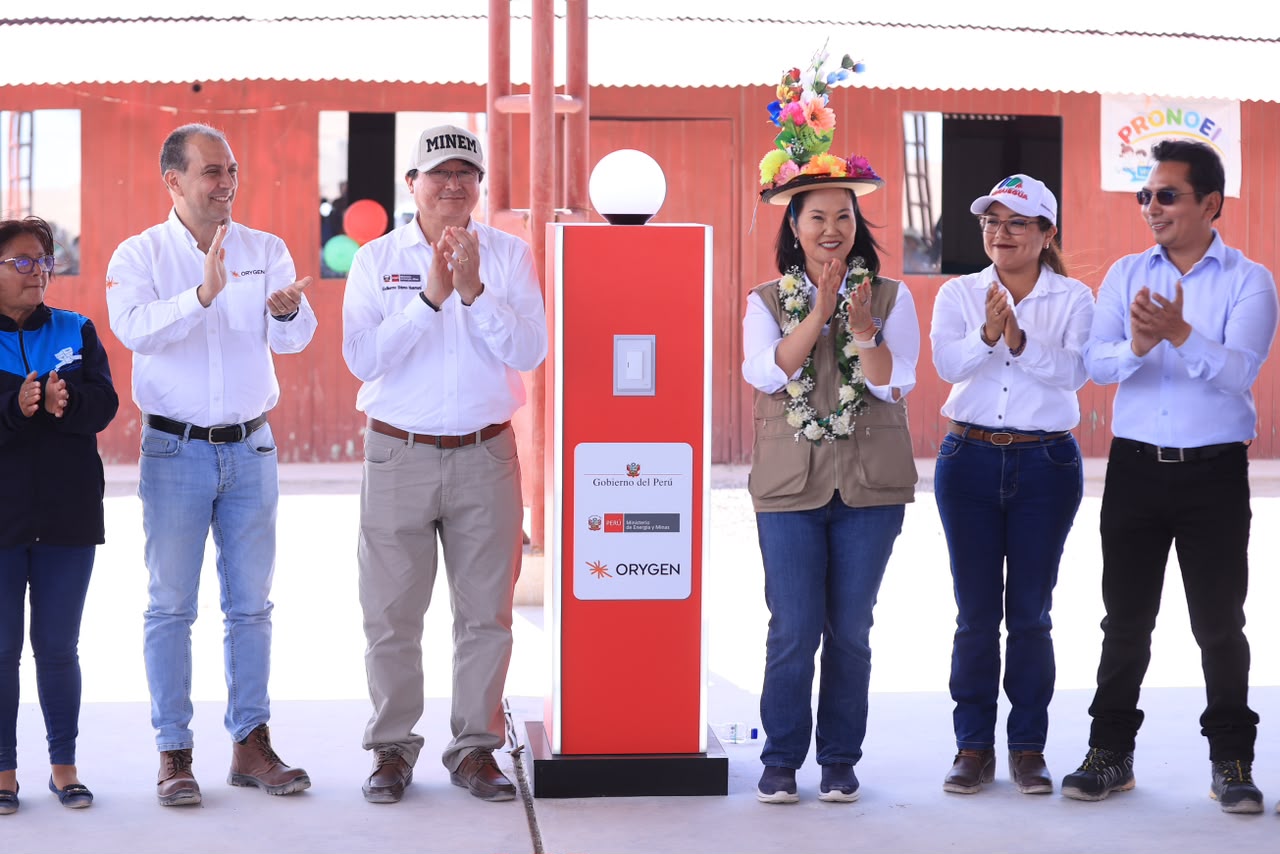
Minister of Energy and Mines, Guillermo Shinno, emphasized the environmental and social dimensions of the project. "Moquegua has evolved into a ‘City of Light,’ a region that now hosts clean, affordable energy that minimizes the carbon footprint," Shinno stated. He highlighted the government’s directive to prioritize the youth, noting that the ability to study under reliable electric lighting is a fundamental right that will change the life trajectory of students in the region.
The President of the Republic reinforced this sentiment, reiterating that the mandate of the administration is to close the inequality gap between urban centers and rural territories. "The energy we have brought today is not just electricity; it is the energy of opportunity," the President noted, stressing that the government remains committed to ensuring that every Peruvian has access to the grid, regardless of their location.
Marco Fragale, CEO of Orygen, provided the perspective of the private sector, emphasizing that the success of this initiative is rooted in the "articulative work" between state institutions and the community. "We have transformed a pressing necessity into a new horizon of opportunities," Fragale noted, signaling a model of public-private partnership that could be replicated in other provinces.
Socio-Economic Implications: Beyond the Lightbulb
The implications of this project for the Pampas de Clemesí are profound and multi-faceted.
1. Catalyzing Agricultural Productivity
For the local Agricultural Producers of Pampas de Moquegua, electricity is the missing link in their value chain. With access to the grid, these producers can now invest in modern refrigeration systems, electric pumps for irrigation, and mechanized processing tools. This will reduce post-harvest losses and allow for the storage of perishable goods, enabling local farmers to access larger, more competitive markets.
2. Educational and Social Transformation
In the absence of reliable energy, educational attainment is often stunted by the limitations of natural light. Students in these rural areas can now utilize digital tools and extend their study hours, closing the digital divide that has historically separated rural and urban youth. Furthermore, improved street lighting and domestic electricity enhance general safety and community security, fostering a more vibrant local social life.
3. Sustainable Development and Clean Energy
The project emphasizes the use of cleaner, more efficient energy sources compared to the traditional, high-emission alternatives like diesel generators or kerosene lamps. By integrating into the broader grid, the community benefits from a more stable and environmentally friendly energy mix, aligning with national and international environmental goals.
4. A Template for Future Rural Development
The model employed in Moquegua—combining state-led planning, private sector technical expertise, and community engagement—serves as a template for future rural electrification projects. It demonstrates that when the state facilitates the technical infrastructure and the private sector contributes specialized engineering capacity, the result is a sustainable and impactful intervention that leaves a lasting footprint on the regional economy.
Conclusion: A New Dawn for Moquegua
The inauguration of the Pampas de Clemesí electrification project is a testament to the power of targeted public investment. By focusing on the infrastructure needs of agricultural hubs, the Ministry of Energy and Mines has laid the groundwork for long-term economic growth.
As the residents of the province of Mariscal Nieto begin to utilize this new utility, the focus will now shift to how these communities leverage the power to diversify their activities. From small workshops to modernized farms, the potential for development is immense. In the words of the officials present, this is only the beginning of a broader campaign to ensure that the light of progress reaches every corner of the nation, securing a more prosperous and equitable future for all Peruvians.