Executive Summary: Restoring Vital Logistics in Oxapampa
The Ministry of Transport and Communications (MTC), acting through its specialized agency Provías Nacional, has launched a critical infrastructure project in the Pasco region. The initiative focuses on the installation of the Huacapiyacu Bridge, a metallic structure spanning 30.48 meters, located at kilometer 124 of the PE-18 D highway. This route, which links the towns of San Rafael, Alcas, and Pozuzo, serves as a vital artery for the region’s economic and social integration.
The project was necessitated by the total failure of a previous 25-meter single-lane culvert (badén), which was rendered unusable following a devastating huaico (mudslide). By replacing this damaged crossing with a modern, resilient metallic bridge, the government aims to restore seamless transit, bolster supply chain stability, and ensure the safety of thousands of citizens who rely on this corridor daily. With a total investment of S/ 723,716.70, the project represents a significant effort to climate-proof rural infrastructure in one of Peru’s most geographically challenging provinces.
Chronology: From Crisis to Construction
The Impact of the Natural Disaster
The crisis began when intense rainfall triggered a massive mudslide in the Oxapampa province. The resulting debris flow buried the existing culvert, effectively severing the connection between San Rafael, Alcas, and the district of Pozuzo. For local residents, this meant a significant disruption in access to essential services, including medical care, education, and regional trade.
Initial Response and Emergency Measures
Immediately following the obstruction, local authorities and MTC regional teams performed emergency assessments to determine the feasibility of immediate repair. It was quickly determined that a simple clearing of debris would be insufficient, as the site remained vulnerable to future hydrometeorological events. Engineers concluded that a permanent, elevated solution—a bridge capable of handling heavier hydraulic loads—was the only viable path forward.
The Mobilization Phase
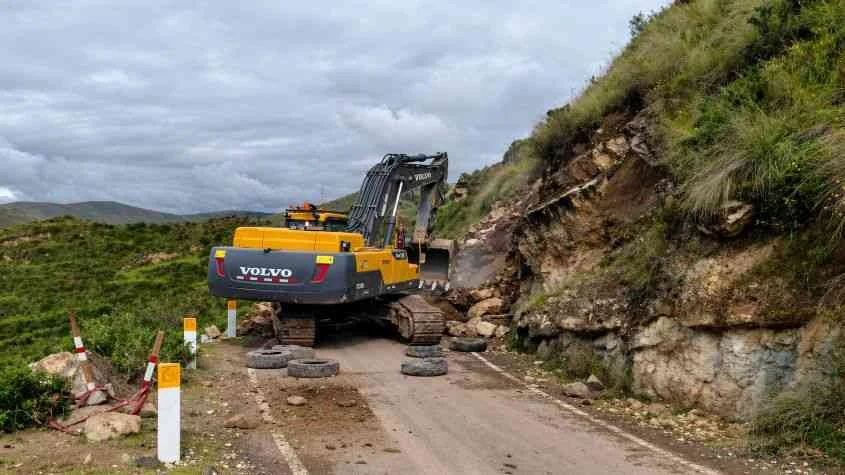
Provías Nacional prioritized the procurement and transportation of the modular metallic components. Given the rugged topography of the Pasco region, logistical operations were complex. Heavy machinery was deployed to stabilize the embankment and prepare the foundations for the new structure, ensuring that the bridge could be anchored securely against the volatile terrain.

The Construction Milestone
Installation began in early October. The assembly of the 30.48-meter metallic span involves rigorous engineering standards to ensure it meets current national regulations for load-bearing capacity. As of the current reporting, the construction phase is nearing completion, with final safety inspections scheduled for the end of the month.
Supporting Data and Technical Specifications
The Huacapiyacu Bridge is more than just a replacement; it is an upgrade to the existing road standard. Below are the key technical parameters of the infrastructure project:
- Location: Kilometer 124, Highway PE-18 D (San Rafael–Alcas–Pozuzo).
- Total Span: 30.48 meters (providing a wider clearance than the previous 25-meter culvert).
- Structure Type: Modular Metallic Bridge (designed for rapid assembly and high durability).
- Project Budget: S/ 723,716.70.
- Target Completion: October 2026.
- Primary Objective: To restore permanent vehicular access and provide a robust alternative to flood-prone road sections.
The shift from a traditional culvert to a bridge structure is a deliberate strategy by the MTC to combat the recurring damage caused by Andean landslides. By raising the road level and increasing the span, the new structure allows water and sediment to flow beneath the bridge, significantly reducing the likelihood of future blockages.
Official Perspectives: Ensuring Regional Development
The Ministry of Transport and Communications has emphasized that this project is part of a larger, long-term strategy to "bridge the gap" in Peru’s rural connectivity.
Provincial Impact
The province of Oxapampa is a hub for both tourism and agricultural production. The closure of the PE-18 D route had a ripple effect, increasing the costs of transporting agricultural products—such as coffee and tropical fruits—to larger markets in Pasco and Lima.

"Our commitment is to restore connectivity where it is most needed," an MTC representative noted. "The Huacapiyacu Bridge is a testament to our focus on providing sustainable infrastructure that can withstand the harsh conditions of our geography."
Regional Economic Implications
The economic impact of the project extends beyond construction jobs. By ensuring that the road remains open during the rainy season, the MTC is protecting the livelihoods of hundreds of small-scale farmers and tourism operators. The reliability of the route is expected to boost investor confidence in the region, as logistical risks are mitigated by the presence of modern, well-maintained bridges.
Implications for Future Infrastructure in Pasco
The installation of the Huacapiyacu Bridge serves as a case study for future infrastructure interventions in the region. Several key takeaways have emerged:
1. The Shift to Resilience-Based Design
The failure of the previous culvert highlighted the vulnerability of older infrastructure to climate change. The new design approach prioritizes structural resilience over low-cost, short-term fixes. This shift is essential for Peru, where climate patterns are becoming increasingly unpredictable.
2. Standardizing Modular Solutions
The use of modular metallic bridges allows the MTC to deploy resources quickly across different provinces. Because these components can be standardized, maintenance and replacement parts are easier to procure, ensuring that if damage occurs, the bridge can be repaired with minimal downtime.

3. Strengthening the PE-18 D Corridor
The San Rafael–Alcas–Pozuzo route is a critical path for regional integration. Continued investment in this corridor is essential for the economic development of the Pozuzo district, which is famous for its unique cultural heritage and agricultural exports. The MTC has indicated that it will continue to monitor this route, with potential plans to reinforce other sections of the road that remain prone to erosion.
Conclusion: A Step Toward Better Connectivity
The successful installation of the Huacapiyacu Bridge is a significant victory for the people of Pasco. By replacing a vulnerable, outdated culvert with a robust, engineered solution, the government is not only fixing a road but also securing the future of the local economy.
As the project approaches its final stages in October, the focus will shift from construction to long-term monitoring. The MTC remains committed to its mandate of ensuring that every Peruvian, regardless of their location, has access to safe, reliable, and modern transportation infrastructure. This bridge is a symbol of that commitment—a vital connection that will endure for years to come.
As the region moves toward the end of the year, the restoration of the PE-18 D highway stands as a key highlight in the government’s efforts to improve the national road network, proving that with the right investment and technical expertise, even the most challenging geographical obstacles can be overcome.