Executive Summary: A Spiritual Milestone for the Nation
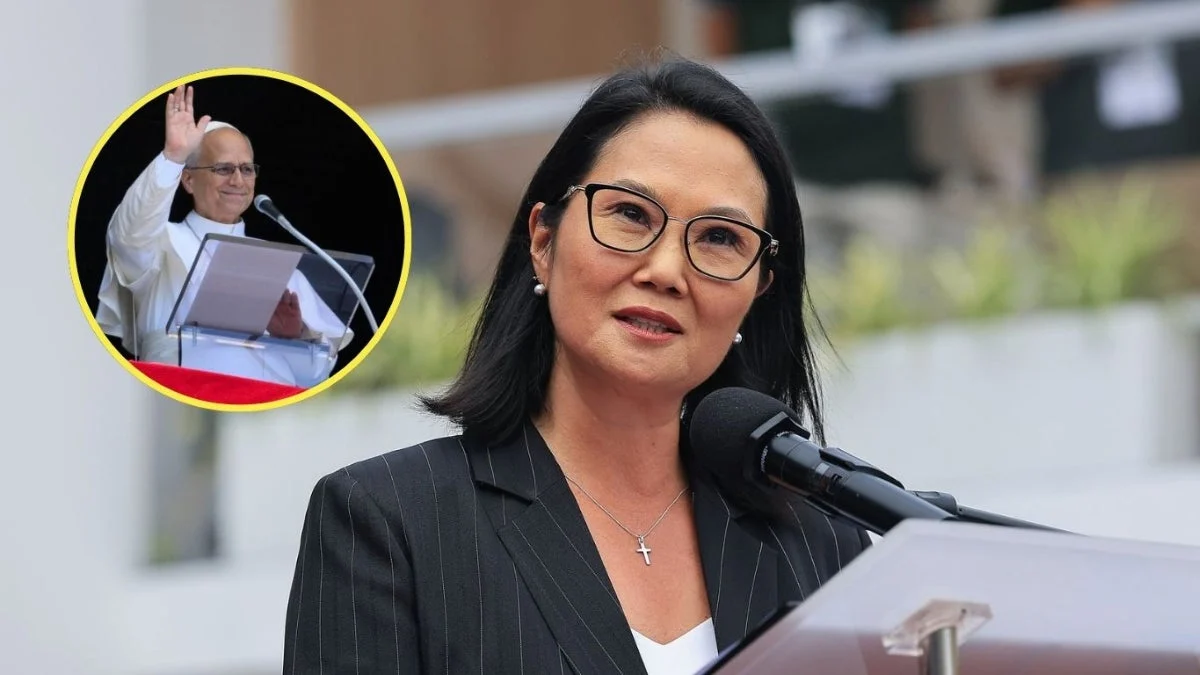
In an announcement that has reverberated across the Andean nation, President Keiko Fujimori has officially confirmed the comprehensive agenda for the upcoming apostolic visit of Pope Leo XIV to Peru. Scheduled to take place from November 11 to November 16, the visit is being framed by the executive branch not merely as a diplomatic engagement, but as a "profound blessing and a national gift" designed to foster spiritual renewal among the Peruvian populace.
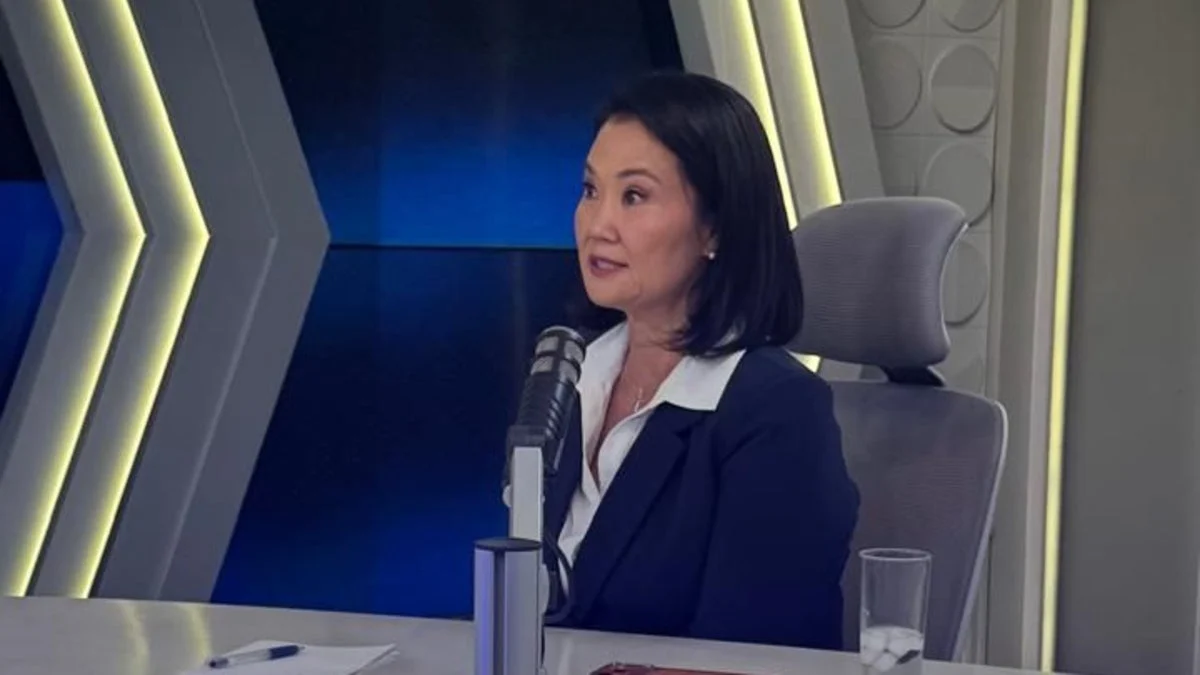
The President expressed her enthusiasm during a press briefing at the Government Palace, emphasizing that the state is preparing for the Pontiff’s arrival with open arms and rigorous logistical coordination. This visit marks a significant moment in the country’s modern history, coming at a time when the government seeks to emphasize unity, faith, and national reconciliation.
Chronology of the Apostolic Journey
The Vatican’s official itinerary outlines a packed five-day schedule that spans multiple regions, highlighting both the urban center of Lima and the historically significant northern territories.
November 11: Arrival and Diplomatic Protocol
The Pontiff is expected to land at the newly inaugurated Aeropuerto Internacional Jorge Chávez. President Fujimori has expressed her personal intention to greet the Holy Father on the tarmac, signifying the gravity with which her administration views the visit. Following the airport arrival, the Pope will be escorted to the Palacio de Gobierno for an official reception, where he will meet with the President and members of the diplomatic corps.
November 12–14: Regional Outreach
The visit will extend beyond the capital to include stops in Lambayeque and Cajamarca. These regions, which hold deep historical and cultural roots, are expected to draw hundreds of thousands of pilgrims. The administration has appointed the Minister of Justice and Human Rights, Ernesto Álvarez, to serve as the government’s lead liaison for these regional stops, ensuring that the papal motorcade and public events proceed with high-level security and protocol.
November 16: The Grand Liturgy at Las Palmas
The culmination of the trip will be the high mass at the Las Palmas Air Base in the district of Surco. This event is projected to be the largest gathering of the visit, with organizers anticipating a crowd size comparable to the historic visit of Pope Francis in 2018. The logistics of this mass are being overseen by the Conferencia Episcopal Peruana (CEP) in conjunction with state security services.
Logistics and Operational Framework
The orchestration of a papal visit of this magnitude requires seamless cooperation between the Holy See, the Peruvian Ministry of Foreign Affairs, and local municipal authorities.
The Role of the Foreign Ministry
Throughout the entire duration of the trip, the Minister of Foreign Affairs, Carlos Espá, has been designated as the official government representative. His office is tasked with managing the complex diplomatic requirements of the Holy See, including protocol, security clearances, and communication with the Vatican’s apostolic nunciature.
Security and Crowd Management
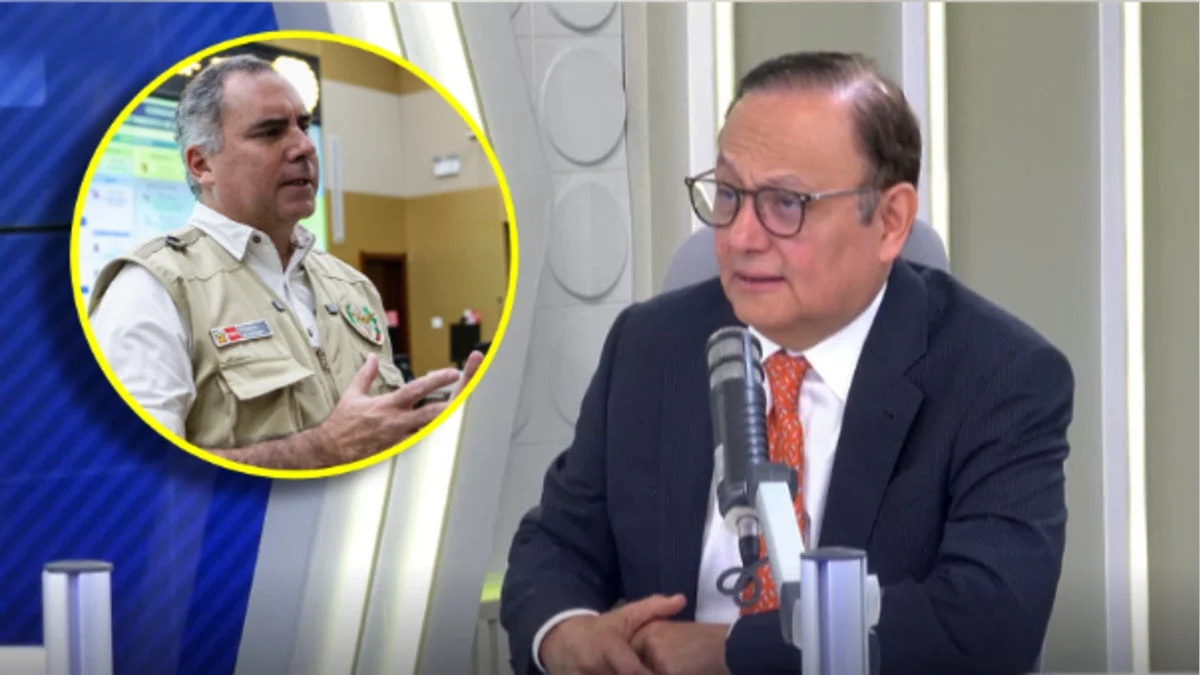
Given the estimated turnout of 1.2 million people at the Las Palmas Air Base, as projected by Monsignor Guillermo Inca, the Secretary General of the Conferencia Episcopal Peruana, security protocols are currently being stress-tested. The Ministry of the Interior, in coordination with the Peruvian National Police, is implementing a multi-layered security plan. This includes traffic management in the Surco district, emergency medical response stations, and dedicated zones for the elderly and those with disabilities.
Official Responses and Political Implications
The visit of Pope Leo XIV has garnered broad support across the political spectrum, with President Fujimori using the opportunity to underscore her administration’s commitment to social and religious values.
Presidential Statement
"It is a gift and a blessing that His Holiness is bestowing upon us," President Fujimori stated during her address. "We are going to receive him with open arms, with great joy, and above all, by renewing our faith." The President’s emphasis on "renewing our faith" is interpreted by political analysts as an attempt to harmonize the current political climate with the moral authority represented by the Catholic Church.
The Perspective of the Church
Monsignor Guillermo Inca, the national coordinator for the papal visit, has noted that the anticipation for this visit is higher than in previous years. The Church sees this as an opportunity to address issues of social inequality and the environment—key themes of the modern papacy—while providing a sense of comfort to a population that has faced economic and social challenges in recent years.
Supporting Data: The Magnitude of the Event
To understand the logistical scale, it is useful to look at the historical data from the 2018 visit of Pope Francis. During that period, the Peruvian government and the Church successfully coordinated a massive influx of tourists and pilgrims into Lima.
- Projected Attendance: 1.2 million attendees at the Las Palmas Air Base.
- Inter-Agency Cooperation: Integration of the Ministries of Foreign Affairs, Justice, Interior, and Transport.
- Regional Impact: Significant infrastructure upgrades in Lambayeque and Cajamarca to accommodate the increased volume of visitors and ensure safety during the papal procession.
The inclusion of regional visits is a strategic decision intended to decentralized the event, allowing citizens outside of Lima to participate directly in the papal experience. This move is expected to boost local economies in the north, providing a "papal dividend" to the hospitality and tourism sectors in those departments.
Implications for Peruvian Society
The upcoming visit serves several strategic and social functions for the nation of Peru:
Strengthening National Identity
The presence of the Pope is often used as a platform for national reflection. By inviting the Pontiff to the Government Palace and facilitating his tour, the Fujimori administration is signaling a desire to align state efforts with the moral guidance of the Church. The visit is expected to focus on themes of peace, the importance of family, and the protection of the vulnerable—topics that resonate deeply with the Peruvian electorate.
Economic and Diplomatic Visibility
Hosting a figure of the Pope’s global stature elevates Peru’s profile on the world stage. It highlights the country’s ability to manage high-security, high-profile international events, thereby enhancing its reputation for stability and logistical competence. Furthermore, the influx of international pilgrims and media members will provide a temporary boost to the service sector, particularly in the aviation and hospitality industries.
Challenges to Address
Despite the excitement, the government faces the challenge of managing the massive crowds without compromising public safety or disrupting the day-to-day operations of the city. The administration has urged citizens to follow official channels for information regarding transport, entry to the Las Palmas site, and safety guidelines. The coordination between the executive branch and the Church remains the linchpin of the success of this endeavor.
Conclusion: Looking Toward November
As the countdown to November 11 begins, the mood in Lima and the northern regions is one of anticipation and collective preparation. For President Keiko Fujimori, the visit represents a significant moment to project stability and spiritual leadership. For the Peruvian people, the arrival of Pope Leo XIV is anticipated as a moment of transcendence, offering a pause in the daily grind of political and social life to focus on shared values and national unity.
The government’s message remains clear: the country is ready, the logistics are in motion, and the focus is on providing a dignified, joyous, and safe environment for the Holy Father’s historic stay. As the Vatican finalizes the finer details of the schedule, all eyes remain on the capital, awaiting what promises to be one of the most significant state events of the decade.