
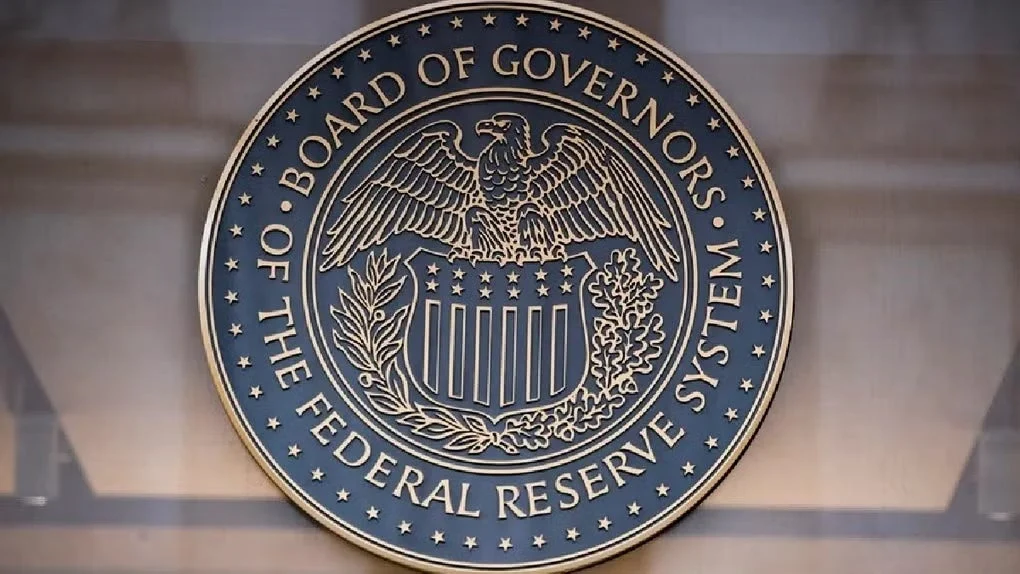
In a pivotal move that marks a significant departure from its long-standing monetary strategy, the United States Federal Reserve (Fed) announced this Wednesday an increase in its benchmark interest rate, positioning it in the 3.75% to 4% range. This decision, reached after a two-day meeting of the Federal Open Market Committee (FOMC), represents the first hike in over three years—breaking a period of stagnation that had lasted since July 2023.
The move, adopted unanimously by the 12 voting members of the committee, underscores the urgency with which the central bank is attempting to combat a stubborn inflationary environment that has persisted despite previous efforts to stabilize the economy. As the global landscape shifts, the Fed has signaled that this adjustment is a necessary, albeit difficult, step toward steering the American economy back to its long-term inflation target of 2%.
The Inflationary Context and the Pressure of Global Conflict
The decision to tighten monetary policy comes against the backdrop of a challenging macroeconomic climate. While the U.S. economy has shown resilience in several sectors, the Consumer Price Index (CPI) recorded an annual variation of 3.4% last month—a figure that remains uncomfortably high compared to the Fed’s established goals.
However, domestic policy is not operating in a vacuum. The global energy market has faced significant volatility due to the ongoing military tensions involving Iran. As geopolitical instability disrupts supply chains and fuels anxiety regarding energy security, the resulting spike in petroleum prices has placed immense upward pressure on fuel costs. This "imported inflation" is complicating the Fed’s task, as higher energy prices act as a tax on consumers, further reducing disposable income and slowing economic growth.
In its official statement, the FOMC noted that inflation "remains elevated," emphasizing that while supply chain pressures have eased in some areas, the overarching cost of living remains a critical concern. The committee expressed confidence that the rate hike will serve as a cooling mechanism, helping to realign supply and demand and setting the economy on a more sustainable path.
A New Chapter: The Leadership of Kevin Warsh
This meeting marked the third presided over by Kevin Warsh, who assumed the chairmanship in May of this year following the departure of Jerome Powell. Warsh’s tenure has been characterized by a more hawkish approach to monetary policy, signaling a departure from the more cautious stance of his predecessor.
Having served in an environment where inflation has remained above the target range for more than five years, Warsh has made it clear that restoring price stability is his top priority. During his tenure, he has repeatedly emphasized the need for "disciplined action" to ensure that inflationary expectations do not become entrenched in the psyche of American businesses and households. Analysts suggest that this recent rate hike is a testament to Warsh’s commitment to his mandate, suggesting that the era of "easy money" may be firmly behind the United States.
Chronology of the Policy Shift
To understand the weight of this decision, one must look at the timeline of the Fed’s actions over the past few years:
- July 2023: The Federal Reserve last adjusted its interest rates, entering a prolonged period of stability as it assessed the post-pandemic recovery and the onset of inflationary pressures.
- 2023–2024: Throughout this period, the Fed maintained a "wait and see" approach, hoping that inflationary spikes would be transitory. However, persistent labor market tightness and energy shocks proved that inflation was more structural than initially anticipated.
- May 2026: Kevin Warsh is appointed as Chairman of the Federal Reserve, signaling a shift toward a more proactive, inflation-fighting stance.
- September 2026: Following months of rising fuel prices and continued high CPI data, the Fed moves to increase rates to the 3.75%–4% range, marking a historic return to active interest rate management.
Understanding the Mechanics: What a Rate Hike Means
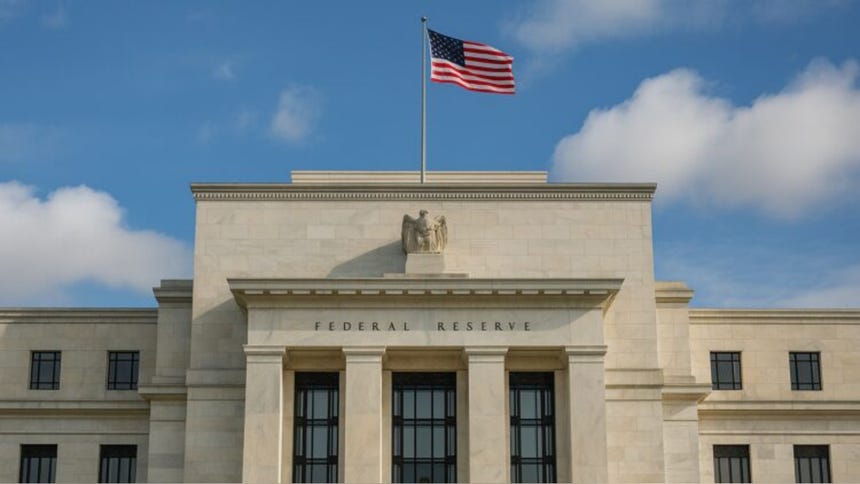
For the average consumer and institutional investor, a rise in interest rates by the Federal Reserve acts as a powerful brake on economic activity. When the Fed increases the benchmark rate, it directly influences the "cost of money."
The Ripple Effect on Consumers
Commercial banks typically mirror the Fed’s adjustments, leading to higher rates for mortgages, auto loans, and credit card debt. For a household, this means that monthly debt servicing costs rise, which inherently reduces the amount of capital available for discretionary spending. By design, this cooling of demand helps reduce the upward pressure on prices, as companies find it harder to justify price hikes in a more constrained consumer environment.
The Impact on Business and Investment
For businesses, the cost of borrowing for capital expenditure increases. Projects that were profitable at a 2% interest rate may no longer make financial sense at 4%. This leads to a natural slowdown in business expansion, hiring, and investment. While this can lead to a period of economic sluggishness, the Fed’s objective is to achieve a "soft landing"—slowing the economy just enough to tame inflation without triggering a severe recession.
Political Turbulence: The White House Perspective
The timing of this decision is particularly sensitive, occurring just over a month before the U.S. legislative elections. Economic policy is currently at the center of the political debate, with the White House and the Fed often operating under different philosophies.
President Donald Trump has been a vocal critic of the Federal Reserve’s recent trajectory. Throughout his current term, he has repeatedly called for lower interest rates, arguing that they are essential to stimulating growth and maintaining American competitiveness in a global market. Trump has frequently urged the central bank to act with "courage," suggesting that the U.S. should maintain lower rates than its international counterparts to foster a more robust domestic environment.
The tension between the White House and the Fed is not new, but it is intensified by the current economic climate. With voters heading to the polls soon, the state of the economy—specifically the price of gas and the availability of credit—is likely to be a defining factor in the election outcomes. The Fed, however, maintains its institutional independence, insisting that its decisions are based on data and long-term economic stability rather than short-term political cycles.
Economic Implications and Future Outlook
The decision to raise rates will have profound consequences for the global economy. Because the U.S. dollar is the world’s primary reserve currency, changes in American monetary policy reverberate across international borders.
Global Market Dynamics
When U.S. interest rates rise, capital often flows from emerging markets back into the U.S. to take advantage of higher yields on dollar-denominated assets. This can lead to the appreciation of the dollar, which makes imports cheaper for Americans but creates significant debt-servicing burdens for countries that have borrowed heavily in U.S. currency. Furthermore, the strengthening of the dollar can disrupt global trade flows, potentially exacerbating the current economic anxieties.
The Path Forward
Looking ahead, the Federal Reserve faces a narrow path. The challenge will be to balance the necessity of controlling inflation with the risk of stifling an already fragile economy. Financial analysts expect the Fed to remain data-dependent, with future rate adjustments contingent on upcoming reports regarding labor market participation, consumer spending, and the resolution (or escalation) of the energy crisis linked to the Middle East.
As the markets digest the news, the focus now shifts to the next FOMC meeting. The message from Chairman Warsh is clear: the Fed is prepared to use all the tools at its disposal to return the economy to a state of balance. Whether this move will be sufficient to curb the current inflationary trend remains to be seen, but one thing is certain: the era of monetary caution has ended, replaced by a firm, proactive approach that will define the U.S. economic narrative for the remainder of the year and beyond.