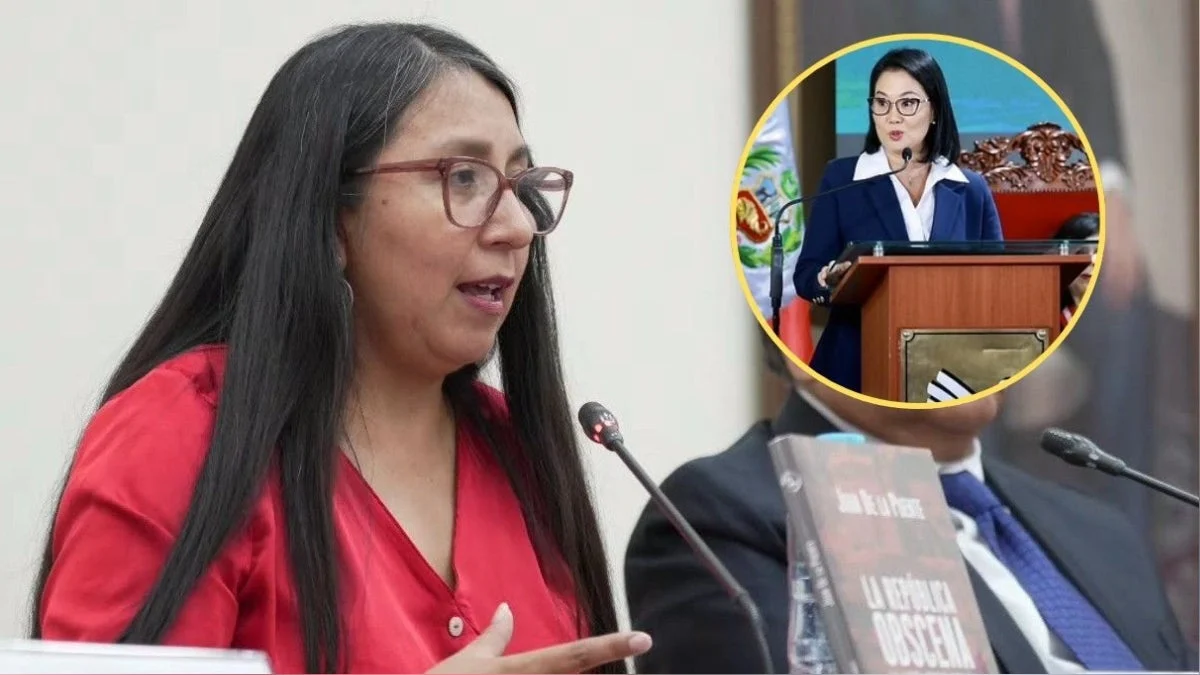
The Peruvian political landscape is currently dominated by a high-stakes debate within the halls of Congress as the Executive branch seeks to secure broad legislative faculties for a period of 120 days. At the center of this legislative storm is Senator Ruth Luque, representing the Ahora Nación caucus, who has emerged as a vocal critic of the government’s approach. Her opposition highlights a widening divide between the administration’s strategy for national security and the concerns of lawmakers who fear the erosion of environmental protections and labor rights.
Main Facts: The Scope of the Dispute
The core of the controversy lies in a comprehensive legislative proposal submitted by the government, which encompasses 66 distinct points. The Executive argues that these measures are essential to address the surging rates of crime and economic instability currently affecting the nation. However, the sheer breadth of the request has raised red flags among opposition members.
Senator Luque, while noting that her caucus has not yet reached a unanimous consensus, stated that there is significant cross-party skepticism regarding the limits of the proposed powers. "We are not in agreement with granting legislative faculties that negatively impact workers’ rights," Luque stated during an interview on RPP TV’s Prueba de Fuego. Furthermore, she expressed deep concern over potential rollbacks in environmental regulation, specifically targeting language that could accelerate the authorization processes for environmental impact studies or facilitate the modification of protected natural areas.
Chronology of the Legislative Impasse
The path to the current legislative bottleneck can be traced through several key phases:
- Initial Submission: The Executive branch formally presented its petition for delegated powers to Congress, citing the urgent need for a 120-day window to enact reforms without the traditional legislative timeline.
- Committee Review: The proposal was moved to relevant committees, where it faced immediate scrutiny regarding the technical justification for each of the 66 points.
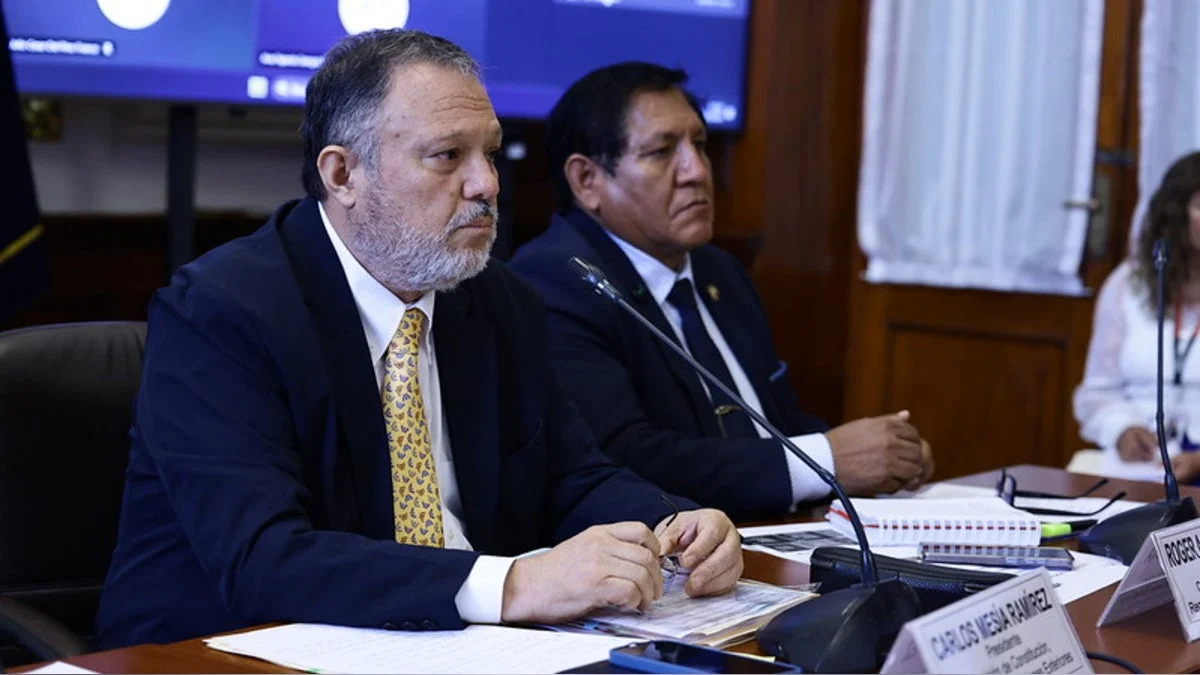
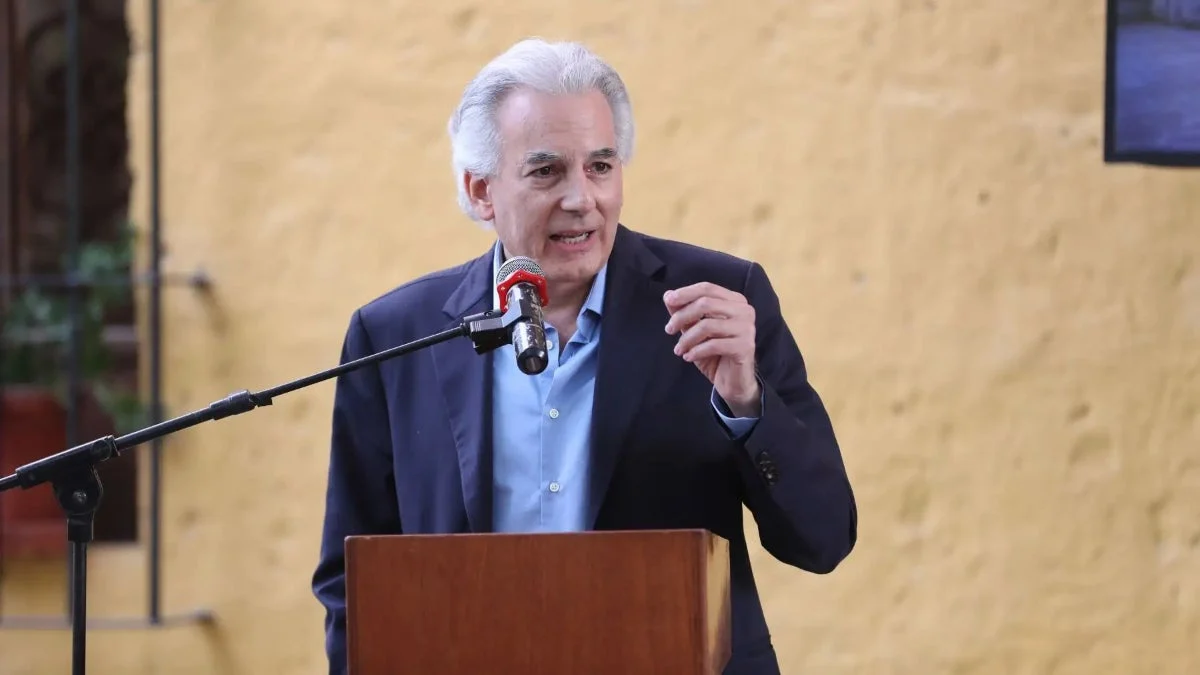
- Ministerial Presentations: Cabinet members, including the Minister of Justice and Human Rights, Ernesto Álvarez, appeared before Congress to defend the request. These sessions were marked by intense questioning, with lawmakers expressing dissatisfaction with the lack of detailed analysis.
- Public Criticism: As the legislative session progressed, Senator Luque and other opposition leaders took to the media to highlight the risks of a "blank check" approach to governance, leading to the current state of deadlock.
Supporting Data and the Security Paradox
One of the most contentious aspects of the government’s proposal is its strategy for combating organized crime. The administration has suggested unconventional measures, such as providing non-lethal weaponry to park rangers operating in high-risk zones.
Senator Luque has been scathing in her assessment of this proposal, characterizing it as a failure of policy. "Are they really going to tackle insecurity this way?" she asked. "You are effectively telling rangers who live in territories dominated by transnational criminal organizations to defend themselves with non-lethal weapons. It is a dereliction of the state’s duty to protect its citizens."
Luque further argued that the Executive does not actually require new delegated powers to address security, pointing to the existing mechanisms at their disposal. The government already possesses the authority to issue emergency decrees and has previously utilized the declaration of states of emergency in penitentiary facilities. According to Luque, the insistence on new, sweeping faculties is less about necessity and more about bypassing parliamentary oversight.
Official Responses and the Lack of Concertation
A recurring theme in the opposition’s critique is the government’s perceived inability to foster a spirit of collaboration. Luque lamented that the officialist strategy has been unilateral rather than consultative. She specifically challenged the administration to explain why the proposed package does not include the derogation of existing laws that have arguably "deconfigured" the legal definition of organized crime.
"Why haven’t they used this delegation to say, ‘Let’s move toward a process of consensus’?" Luque asked. Instead, she argues, the government has missed an opportunity to build a bridge with the opposition by focusing solely on its own agenda rather than addressing the legislative loopholes that hinder the current justice system.
The criticism extends beyond policy to the competence of the ministerial cabinet. During her interview, Luque highlighted that when ministers are pressed for technical specifics regarding their 66-point plan, they retreat into "generalities." She specifically cited the performance of Minister of Justice Ernesto Álvarez, noting that his explanations have failed to convince legal experts across the ideological spectrum, who view the government’s arguments as legally flimsy and technically insufficient.
Implications for the Future of Governance
The implications of this standoff are significant. If Congress grants the full 120-day mandate, the Executive will gain the power to reshape major swaths of public policy without further legislative debate. For critics like Senator Luque, this represents a dangerous concentration of power that could lead to:
- Environmental Degradation: By streamlining environmental impact assessments, the government risks prioritizing industrial expansion over the long-term preservation of the country’s natural resources.
- Labor Vulnerability: Any legislation passed under these faculties that affects workers’ rights could face immediate legal challenges and widespread social unrest, potentially destabilizing the administration further.
- Erosion of Judicial Standards: If the "procrimen" laws mentioned by Luque are not corrected, the government’s attempt to "fix" crime could paradoxically make the prosecution of complex criminal networks more difficult.
Furthermore, the lack of technical rigor displayed by the current cabinet is fueling a crisis of confidence. In a parliamentary system, the ability of ministers to justify their actions with data and expert analysis is the cornerstone of accountability. When that accountability is replaced by vague promises of "security," the resulting political friction is inevitable.
Conclusion: A Call for Transparency
As the debate continues, the position of the Ahora Nación caucus remains a pivotal factor. While they are not categorically opposed to all executive action, their insistence on protecting environmental and labor standards provides a clear framework for the negotiations ahead.
Senator Luque’s stance serves as a reminder that legislative delegation is not a tool for governance efficiency at the expense of democracy. The path forward, according to the Senator, requires the Executive to abandon its reliance on broad, unsubstantiated requests and instead engage in a substantive, point-by-point dialogue with the legislature.
The coming weeks will reveal whether the administration is willing to pivot toward a more collaborative approach or if they will continue to push for a mandate that appears increasingly out of touch with the technical and social realities of the nation. For now, the 66-point proposal remains a symbol of the friction between a government eager to act and a legislative branch demanding greater accountability and scientific rigor in the creation of law.
The public, watching closely, remains divided—not necessarily on the need for security, but on the price the nation is willing to pay in terms of rights and regulations to achieve it. The resolution of this impasse will likely set the tone for the remainder of the current administration’s tenure, testing the resilience of Peru’s democratic institutions under pressure.