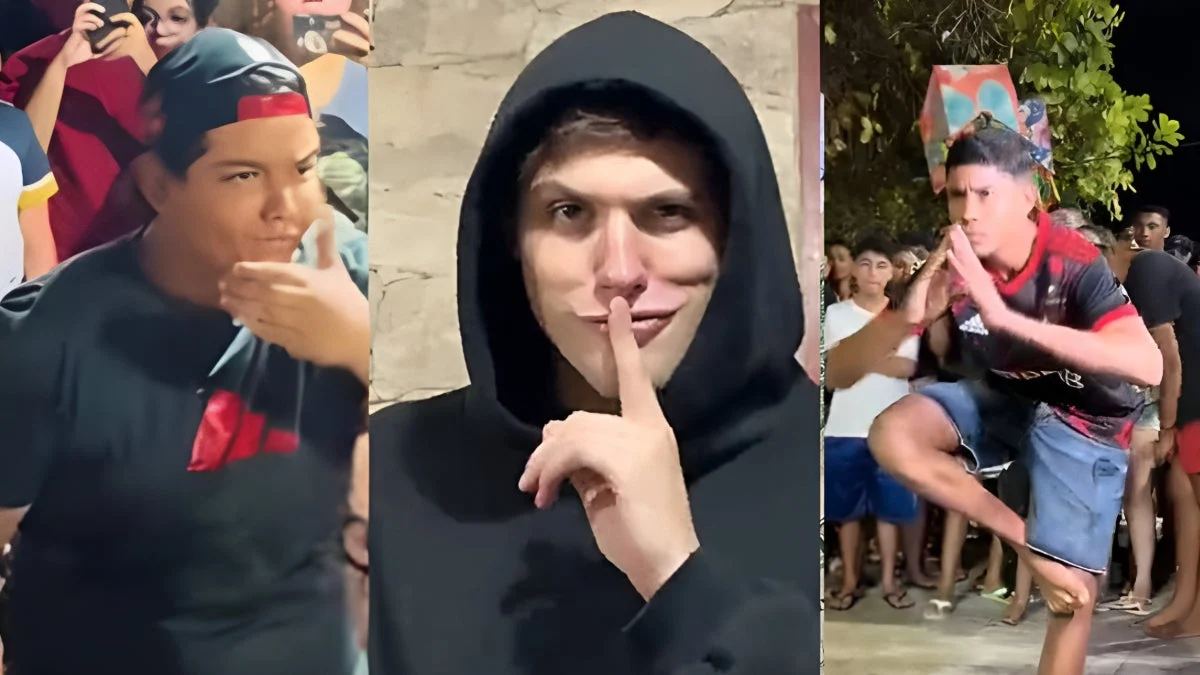
In the hyper-accelerated ecosystem of modern social media, linguistic trends emerge, evolve, and permeate global culture at breakneck speeds. Recently, a peculiar phrase has dominated the lexicon of Generation Z and Generation Alpha: "farming aura." While it may sound like esoteric gaming jargon to the uninitiated, it has rapidly transformed into a social barometer used to measure coolness, social standing, and individual impact in both digital and physical realms. From the bustling streets of Lima, Peru, to the algorithmic feeds of global platforms like TikTok and Instagram, "aura farming" has become the latest metric for social validation.
The Anatomy of the Trend: Main Facts
At its core, "farming aura" is a metaphorical construct that draws its lineage from the gaming industry. To understand the phenomenon, one must deconstruct its two constituent parts:
- Farming: In gaming terminology, "farming" refers to the repetitive, strategic accumulation of resources, experience points, or currency to improve a character’s status or capabilities.
- Aura: In this specific context, "aura" transcends its mystical definitions. It represents the intangible "vibe," presence, or magnetic energy an individual projects.
When combined, "farming aura" refers to the deliberate, often performative, actions a person takes to boost their social status or appear more "legendary" to their peers. It is the pursuit of social capital through calculated gestures, witty comebacks, or impressive feats that increase one’s perceived value in a social hierarchy.
The system is quantitative. Users often assign numerical values to social interactions:
- "+10,000 Aura": Awarded for an act of extreme confidence, a masterful resolution to an awkward social situation, or an impressive display of talent.
- "-5,000 Aura": A penalty applied when someone is caught in a cringeworthy moment, fails a social interaction, or suffers an embarrassing mishap.
Chronology of a Digital Phenomenon
The trajectory of "aura farming" reflects the rapid diffusion of internet subcultures. While the term’s roots are buried in niche gaming forums and ironic meme culture, its mainstream adoption followed a distinct timeline:
Phase 1: The Gaming Infusion (Early 2024)
The term began as a tongue-in-cheek comment on platforms like Discord and Twitch. Gamers started using it to mock players who were trying too hard to look "cool" during live streams. It was initially used as a critique of performative vanity.
Phase 2: The TikTok Translation (Mid-2024)
As the term migrated to TikTok, its usage pivoted from critique to aspiration. Creators began producing content specifically designed to "gain aura," such as documenting "glow-ups," stoic reactions to chaos, or "sigma male" style edits. The irony was shed, and the practice became a genuine social objective for younger users.
Phase 3: The Physical World Integration (Late 2024–Present)
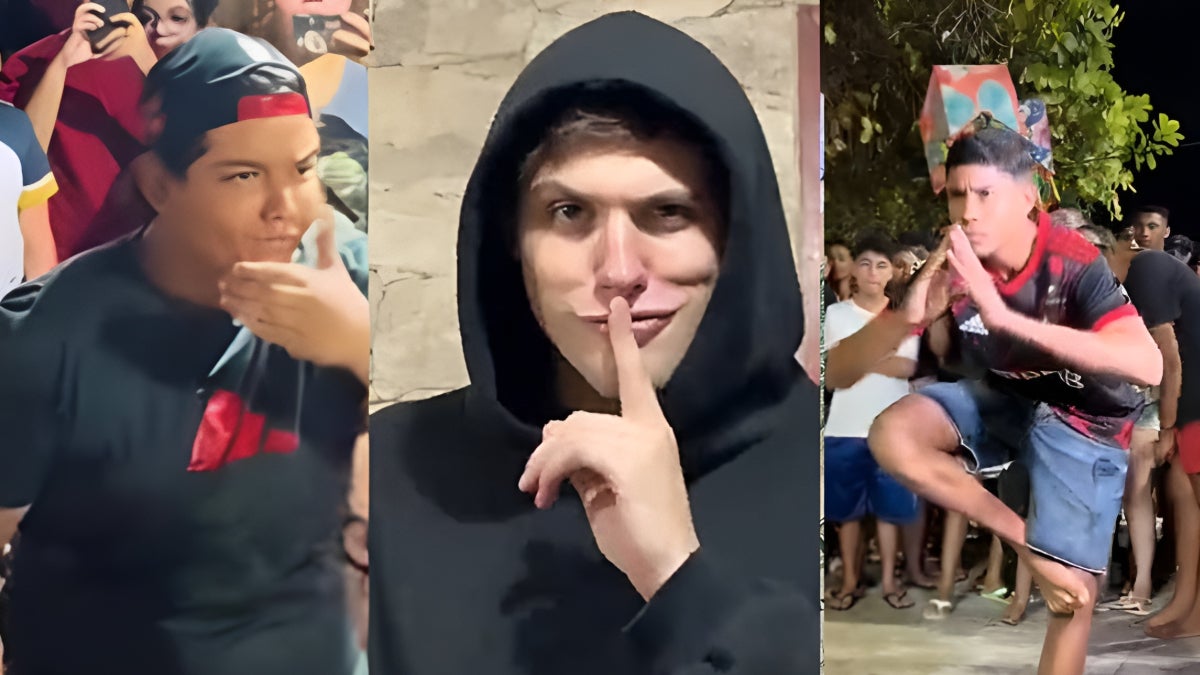
The trend successfully breached the "fourth wall" of the internet. Young people in Latin America and beyond began organizing "aura battles" in schools and public spaces. These informal competitions involve participants performing short, choreographed displays of swagger—dances, intense eye contact, or "cool" gestures—to solicit judgment from their peers, effectively "farming" their aura in real-time.
Supporting Data and Sociological Context
Sociologists suggest that the obsession with "aura" is not merely a passing fad but a reflection of the digital age’s demand for constant personal branding.
According to recent engagement analytics on short-form video platforms, content tagged with #AuraFarming has garnered billions of views. The data shows a high correlation between "aura-centric" content and high retention rates among users aged 13–24. This demographic, often referred to as "Digital Natives," has been conditioned by "Like" counts and follower metrics to view social interaction as a quantitative game.
The psychological implication is clear: in an era where social media profiles are often viewed as resumes, "aura" has become the currency. By "farming" it, users are attempting to gamify their social interactions, creating a structured way to navigate the often chaotic and anxiety-inducing landscape of adolescent social hierarchies.
Perspectives and Official Interpretations
While mainstream media outlets and educational institutions have been slow to formally "define" the trend, cultural observers have provided various interpretations of what this shift means for human development.
The Developmental Viewpoint
Child psychologists have noted that while the term is new, the behavior is an evolution of classic adolescent "posturing." Historically, teenagers sought to build status through athletics, fashion, or academic performance. "Aura farming" simply updates these behaviors for a screen-saturated reality. It provides a shorthand for social feedback that can be processed instantly.
The Digital Literacy Perspective
Some tech analysts argue that "aura farming" is actually a sign of heightened digital literacy. By treating social interaction as a "game" with clear rules, participants are demonstrating an awareness of the performative nature of their digital lives. They are not victims of the algorithm; they are, in their own minds, "players" navigating it to their advantage.

Implications: The Commodification of Cool
The implications of "aura farming" extend far beyond the playground or the TikTok feed. It represents a fundamental shift in how human value is perceived.
1. The Death of Spontaneity
The most significant criticism of the "aura" trend is that it encourages a life lived for the audience. When every action is calculated to increase one’s "aura points," authenticity becomes a liability. Spontaneous, vulnerable, or genuinely awkward moments—which are vital for human connection—are reframed as "losing aura," leading to a more performative and guarded social environment.
2. Gamified Social Anxiety
While some find the trend empowering, others argue it exacerbates social anxiety. The constant need to "farm" status creates a high-pressure environment where one’s social worth is constantly fluctuating. The fear of a "negative aura" event (an embarrassing moment being captured on video) can lead to social withdrawal or extreme risk-taking behavior.
3. Cultural Homogenization
Because "aura" is often defined by global trends on platforms like TikTok, the specific behaviors used to "farm" it are becoming increasingly standardized across borders. A teenager in Lima, Peru, and a teenager in Tokyo, Japan, may now utilize the same hand gestures or slang to demonstrate their "aura," leading to a fascinating, albeit flattening, global youth culture.
Conclusion: The Future of the Aura Economy
As "aura farming" continues to permeate the cultural zeitgeist, we are likely to see it evolve into more complex iterations. Perhaps we will see brand partnerships centered around "aura" (e.g., "This watch gives you +500 aura"), or perhaps the trend will eventually burn out, replaced by a counter-cultural movement that prizes "anti-aura"—a rejection of social gaming in favor of radical authenticity.
For now, "aura" remains the primary currency of the digital generation. It is a testament to our innate human desire for belonging and recognition, translated into the language of the software that defines our era. Whether one views it as a harmless game or a symptom of a deeper social crisis, one thing is certain: in the world of the digital native, if you aren’t farming your aura, you aren’t playing the game.
As we look toward the future, it is worth asking: what happens when the "game" ends, and we are left with the reality of the people behind the screens? For the generation that grew up in the cloud, the pursuit of "aura" is not just a trend—it is a way of mapping their place in an increasingly complex and interconnected world.