Introduction: A New Chapter for Constitutional Justice
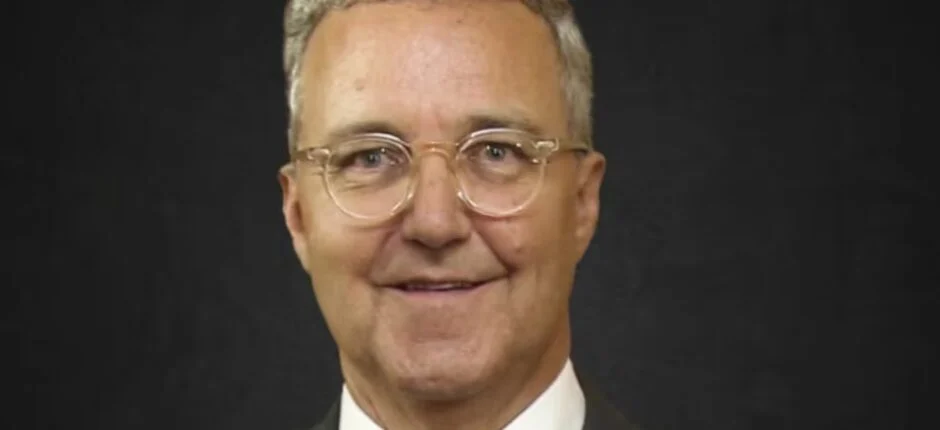
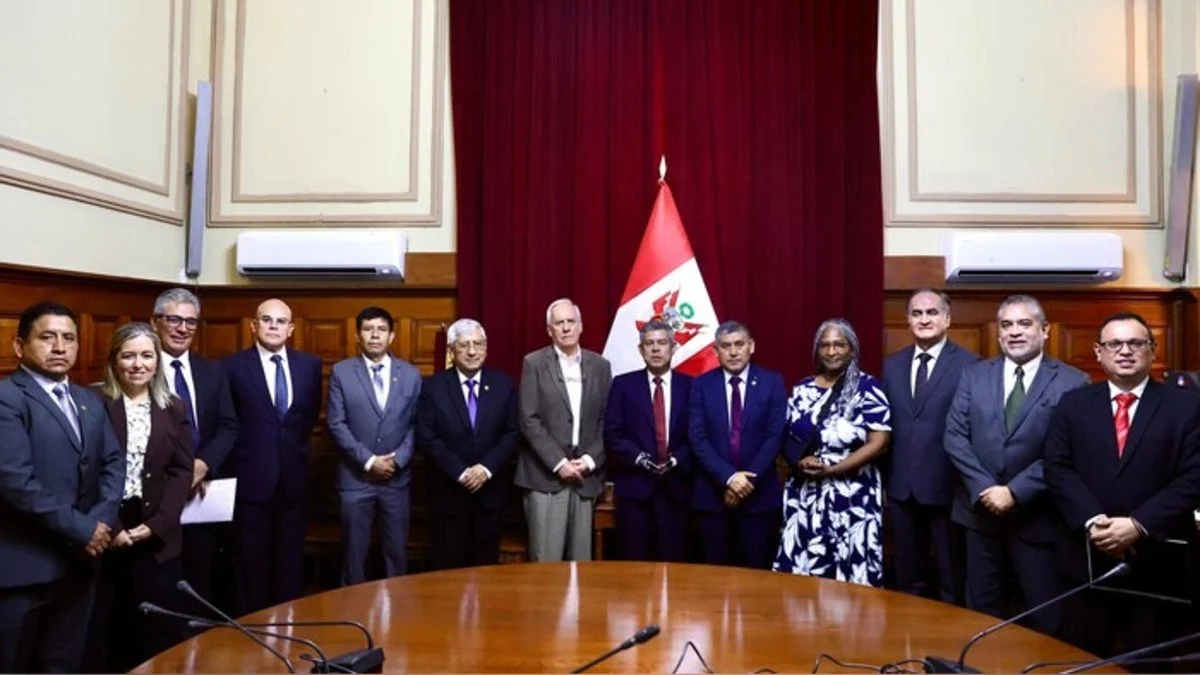
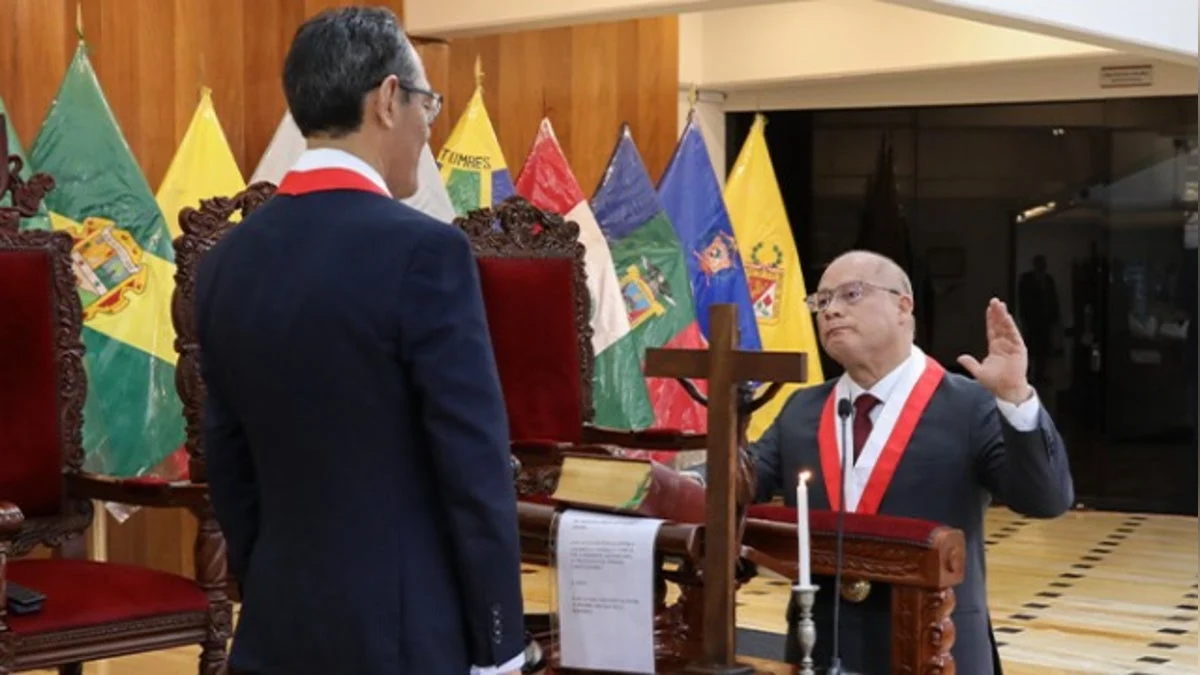
In a pivotal transition for the Peruvian judiciary, Magistrate Pedro Hernández Chávez was officially sworn in this Friday as the new President of the Constitutional Court (TC) for the 2026-2028 biennial term. The ceremony, held at the institution’s headquarters in the district of San Isidro, marks a significant shift in the leadership of the country’s highest interpreter of the Magna Carta. Alongside Hernández Chávez, Magistrate Luz Pacheco Zerga took the oath as Vice President, while Francisco Morales Saravia transitioned into his new role as the Director General of the Center for Constitutional Studies (CEC).
This leadership change comes at a time of heightened political scrutiny and public demand for judicial efficiency. As Hernández Chávez steps into the role, he inherits the responsibility of navigating the TC through a complex landscape of constitutional challenges, balancing the need for institutional independence against the pressures of an evolving political climate.
The Core Facts: A Leadership Transition
The investiture ceremony was not merely a formal procedure but a statement of intent for the coming two years. Pedro Hernández Chávez, a jurist known for his rigorous adherence to legal doctrine, emphasized that his tenure would be defined by a "firm commitment" to the defense of the Constitution and the fundamental rights of all citizens.
The structural changes within the court’s leadership are as follows:
- President: Pedro Hernández Chávez, tasked with the administrative and representative oversight of the Court.
- Vice President: Luz Pacheco Zerga, whose support for Hernández Chávez’s candidacy was instrumental in the internal election process.
- Director of the CEC: Francisco Morales Saravia, who will now pivot to lead the academic and research arm of the Court, focusing on the dissemination of constitutional culture.
Chronology: The Road to the Presidency
The path to this appointment follows a sequence of internal deliberations and institutional maneuvers that underscore the importance of the TC in the Peruvian democratic framework.
- Pre-Election Phase: In the months leading up to the vote, internal debates within the plenary focused on the need for a leadership that could simultaneously address the backlog of cases while maintaining a neutral, non-partisan stance.
- The Voting Process: The selection of Hernández Chávez was the result of a consensus-building effort among the magistrates. Luz Pacheco Zerga, in explaining her endorsement, noted that Hernández Chávez represents a balance between continuity and the necessary reform required to modernize the Court’s operations.
- The Swearing-in: The ceremony held this Friday served as the official culmination of the transition, where the outgoing leadership handed over the reins, marking the beginning of the 2026-2028 administrative cycle.
Supporting Data and Strategic Priorities
Central to Hernández Chávez’s inaugural address was a clear-eyed assessment of the obstacles facing the Court. The most pressing issue identified by the new President is the systemic burden of the institution’s caseload.
Reducing the Judicial Burden
For years, the Constitutional Court has faced criticism regarding the time it takes to resolve petitions. Hernández Chávez has made the reduction of the "procedural load" his primary objective. His proposed strategy involves:
- Digital Transformation: Leveraging AI and automated systems to filter repetitive or minor petitions that clog the docket.
- Procedural Streamlining: Standardizing the criteria for accepting cases to ensure that the Court focuses its resources on matters of high constitutional significance.
- Human Capital Optimization: Acknowledging the contribution of administrative and jurisdictional staff, Hernández Chávez expressed that the goal of efficiency cannot be achieved by technology alone; it requires a unified vision and a motivated workforce.
Official Responses and Philosophical Stance
During his address, the new President articulated a philosophy that seeks to distance the Court from the influence of partisan politics. His most striking quote served as a reminder of the Court’s ultimate purpose:
"The Constitution does not belong to a government, nor to a majority, nor to the jurists, nor to the institutions; it belongs to all Peruvians, in that it guarantees their freedom and self-determination by limiting the exercise of power."
This declaration is significant in the current Peruvian context, where the separation of powers is frequently tested. By framing the Constitution as a tool to "limit the exercise of power," Hernández Chávez is signaling that the TC will act as a check on both the Executive and Legislative branches, regardless of their political alignment.
Support from Within
The appointment has been received with cautious optimism by the legal community. Luz Pacheco Zerga’s role as Vice President is viewed as a stabilizing force, suggesting that the court’s internal cohesion remains intact. Furthermore, the appointment of Francisco Morales Saravia to the Center for Constitutional Studies indicates that the court intends to invest heavily in education and constitutional outreach—an attempt to bridge the gap between complex legal rulings and the public’s understanding of their rights.
Implications: What to Expect in the Coming Two Years
The tenure of Pedro Hernández Chávez will likely be scrutinized for its impact on three key areas:
1. Strengthening Judicial Independence
The primary challenge for any TC President is maintaining perceived neutrality. Hernández Chávez has promised a "close, transparent, and firm" institution. If he successfully steers the court away from controversial political entanglements, the TC may regain public trust that has been eroded by years of legal-political tension.
2. The Efficiency Mandate
If the Court fails to address the backlog of cases, the promise of "expeditious justice" will remain rhetoric. The legal community will be watching for specific policy changes in the first six months of his term—specifically, how he allocates budget and personnel to expedite rulings on habeas corpus and amparo petitions.
3. Protection of Fundamental Rights
As the final arbiter of fundamental rights, the Court’s rulings under Hernández Chávez will define the limits of state intervention in the lives of citizens. His focus on "self-determination" and "freedom" suggests a jurisprudence that favors the individual over state overreach, a stance that will be tested in upcoming rulings concerning human rights and social grievances.
Conclusion: A Test of Institutional Resilience
The induction of Pedro Hernández Chávez comes at a defining moment for Peruvian democracy. The new leadership faces the dual challenge of operational modernization and the safeguarding of constitutional principles in a volatile environment.
The transition from a period of high political friction to one that promises focus on procedural reform and constitutional defense is an ambitious agenda. As the President noted, the work of the Court is a team effort. The coming biennial will be the ultimate judge of whether the Court can truly function as an institution that serves the people—not the power brokers.
As the nation watches, the message from the San Isidro headquarters is clear: the Constitutional Court aims to be a bastion of legal stability. Whether this leadership can translate that ambition into tangible, long-term justice for all Peruvians remains the central question of the next two years. The commitment to a more transparent and accessible Court is the right start, but the true measure of success will be found in the courtrooms and the subsequent impact on the lives of citizens who rely on the Constitution for their protection.