The Tech Giant Joins the Fiestas Patrias Celebration
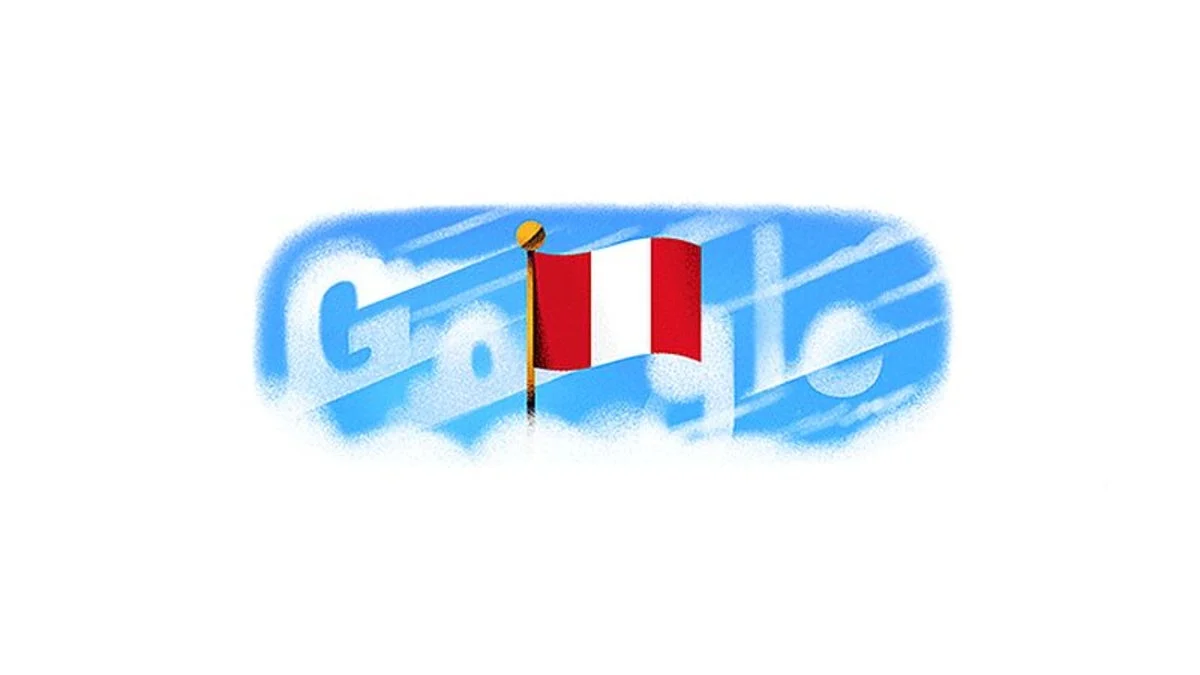
On July 28, the digital landscape transformed to reflect the patriotic fervor of a nation as Google, the world’s most widely used search engine, unveiled a commemorative "Doodle" in honor of Peru’s 205th anniversary of independence. This artistic tribute, visible to millions of users across the Andean nation, serves as a poignant reminder of the significance of Fiestas Patrias, the most important civic holiday in the Peruvian calendar.
The interactive graphic features the iconic red and white flag of Peru waving proudly against a serene, sky-blue background. Cleverly integrated into the design, clouds are sculpted to form the letters of the "Google" logo, creating a seamless blend of corporate branding and national pride. When users click on the graphic, they are immediately redirected to a curated results page offering a deep dive into the history, significance, and current events surrounding Peru’s journey toward sovereignty.
Chronology: The Path to 1821 and Beyond
To understand the weight of this celebration, one must look back at the arduous journey that led to the proclamation of independence.
The Seeds of Emancipation (1800–1820)
The early 19th century was marked by revolutionary fervor across Latin America. Following the Napoleonic invasions of Spain, the administrative control of the Spanish Crown in the Americas began to fracture. In Peru, the struggle was characterized by a complex interplay of local uprisings, intellectual debates, and the strategic arrival of the Expeditionary Army from the south.
The Proclamation (July 28, 1821)
The defining moment in Peruvian history occurred when General José de San Martín, the Argentine military leader and visionary, entered Lima. On July 28, 1821, from the balcony of the Cabildo de Lima, San Martín uttered the immortal words: "From this moment on, Peru is free and independent by the general will of the peoples and the justice of their cause that God defends." This act did not immediately end the conflict—as royalist forces remained entrenched in the highlands—but it served as the psychological and political catalyst for the birth of a new republic.
Consolidation at Ayacucho (1824)
While independence was proclaimed in 1821, the war for total liberation continued until the Battle of Ayacucho in 1824, where General Antonio José de Sucre defeated the last major royalist army, effectively ending Spanish colonial rule in South America. The 205 years celebrated today represent the cumulative evolution of this republic from those early days of revolutionary uncertainty to the modern, globalized state that Peru is today.
Supporting Data: The Cultural Weight of the 205th Anniversary
The 205th anniversary is not merely a number; it serves as a milestone for socio-economic reflection.
- Demographic Context: With a population exceeding 33 million, the celebrations reflect a diverse cultural tapestry, including indigenous, European, African, and Asian influences.
- Economic Impact: The Fiestas Patrias period is one of the most critical times for the Peruvian tourism and retail sectors. Government data indicates that domestic travel increases significantly during the late July holiday window, providing a vital stimulus to local economies.
- Digital Engagement: Google’s decision to feature this event is supported by data showing that "Independence Day" and "Fiestas Patrias" consistently rank as the top search queries in Peru during the final week of July. The search engine’s gesture of localization acknowledges the importance of digital sovereignty and cultural representation in the age of global technology platforms.
Official Responses and Public Sentiment
The unveiling of the Google Doodle has been met with widespread acclaim from both the public and institutional sectors.
The Ministry of Foreign Trade and Tourism (MINCETUR) noted that such digital tributes contribute to the "Marca Perú" (Brand Peru) initiative, helping to project a positive image of the country to international users who might stumble upon the doodle via localized settings or VPNs.
"Digital visibility is a component of modern diplomacy," said a representative from the Ministry of Culture. "When a global entity like Google recognizes our independence, it validates our history on a world stage, ensuring that the younger generations of Peruvians—who live their lives through screens—feel a sense of continuity with the heroes of 1821."
On social media platforms, the response has been equally enthusiastic. Thousands of Peruvian users shared screenshots of the Doodle, using hashtags such as #OrgulloPeruano (Peruvian Pride) and #FiestasPatrias. Many users commented on the beauty of the design, noting that the choice of the Peruvian sky as a background was a fitting tribute to the country’s diverse geography and natural beauty.
Implications: The Role of Big Tech in National Narratives
The decision to limit this Doodle to the Peruvian domain highlights the nuanced, localized nature of Google’s content strategy. While the company maintains a global identity, its "Doodle" team functions as a cultural curator, tailoring the user experience to honor local customs, historical milestones, and national identity.
Preserving History in the Digital Age
There is a profound implication in how history is archived in the 21st century. By transforming the search engine’s homepage—the digital gateway for millions—Google essentially creates a "living history book." Students, researchers, and casual browsers are presented with a concise, factual summary of the Independence of Peru at the click of a button. This democratizes access to information, ensuring that historical facts are not buried in textbooks but are at the forefront of daily digital life.
The "Doodle" as Cultural Diplomacy
This move also illustrates the power of tech companies as cultural brokers. By participating in local holidays, companies like Google foster a sense of "digital belonging." When a user sees their national identity reflected in the tools they use every day, it creates a psychological bond between the technology and the user. For Peru, which has navigated significant political turbulence over the past few years, these moments of collective celebration are essential for national cohesion.
Looking Ahead: The Future of Independence
As Peru celebrates 205 years, the conversation is shifting from looking back at the battlefields of the 19th century to looking forward at the challenges of the 21st. Issues such as democratic strengthening, environmental protection, and economic equality dominate the modern discourse. The Google Doodle serves as a bridge, reminding citizens that the "independence" proclaimed by San Martín was a process, not a final state—a process that each new generation of Peruvians is tasked with continuing.
Conclusion
The 205th anniversary of Peru’s independence is more than just a commemorative date; it is an affirmation of the nation’s resilience and its place in the world. Google’s tribute, while seemingly simple in its graphic execution, acts as a powerful symbol of how history is remembered in the modern era. As the red and white banner waves on screens across the nation, it serves as a reminder of the sacrifices made in 1821 and the ongoing commitment of the Peruvian people to forge a prosperous, democratic, and inclusive future.
Whether through official ceremonies in Lima, traditional parades, or a simple click on a digital browser, the spirit of Fiestas Patrias remains as vibrant as ever, proving that even after two centuries, the quest for liberty and progress continues to unite the nation.