Lima, Peru – In a high-level strategic summit aimed at accelerating Peru’s infrastructure modernization, the Minister of Transport and Communications (MTC), Rafael Rey Rey, convened with the leadership of the Lima Chamber of Commerce (CCL). The meeting served as a critical platform to synchronize public policy with private sector investment, focusing on the 2027 fiscal agenda, the expansion of mass transit systems, and the finalization of pivotal logistics corridors in the Callao region.
As Peru maneuvers through a complex global economic landscape, the collaboration between state regulators and industry representatives has become the primary engine for bridging the country’s infrastructure gap. The meeting addressed not only the logistical requirements of new construction but also the financial, legal, and operational hurdles that often delay major public works.
The Core Mandate: Infrastructure and Economic Competitiveness
The primary objective of the dialogue was to establish a cohesive vision for the nation’s transport network. The Minister, accompanied by key technical directors from the MTC, engaged with CCL representatives—including Sandro Stapleton Ponce, Carlos Ugaz Montero, and Carlos Posada Ugaz—to evaluate the current trajectory of large-scale projects.
The 2027 Budgetary Framework
A central theme of the discussion was the formulation of the 2027 national budget as it pertains to transport infrastructure. The Ministry underscored its commitment to securing sustainable funding streams that insulate long-term projects from short-term fiscal volatility. By coordinating with the CCL, the MTC seeks to ensure that the 2027 portfolio is not merely a list of aspirations, but a data-driven investment plan that addresses the most pressing bottlenecks in the national supply chain.

Resolving Regulatory and Legal Hurdles
Infrastructure development in Peru has historically been hampered by complex arbitration processes and disputes over payment obligations. The meeting provided a venue to address these friction points. Discussions centered on creating more transparent mechanisms for settling laudos arbitrales (arbitration awards) and streamlining the execution of payment obligations related to investment projects. By reducing legal uncertainty, the government aims to encourage private contractors to maintain momentum on active job sites.
Chronology of Strategic Developments
To understand the weight of this meeting, one must look at the timeline of projects that currently occupy the MTC’s priority list:
- 2023-2024: The Foundation Phase. Initial planning and environmental impact assessments for the expansion of the Jorge Chávez International Airport and the surrounding urban connectivity projects were finalized.
- 2025: Regulatory Alignment. The MTC and private sector stakeholders began formalizing the "Infrastructure Pact," a series of commitments aimed at reducing the "red tape" associated with land acquisition and permitting.
- 2026: Execution Peak. Current efforts are focused on the integration of the Viaducto Santa Rosa and the expansion of the Metro network, with significant budget allocations being finalized for the 2027 cycle.
- 2027 (Projected): Operational Milestone. The targeted completion date for key segments of the airport’s ancillary infrastructure, aligning with the projected increase in regional logistics capacity.
Supporting Data: The Impact of Connectivity
The urgency of these discussions is underscored by the logistical demands of the Lima-Callao metropolitan area. Current data suggests that the expansion of the Jorge Chávez International Airport, when coupled with the completion of the Viaducto Santa Rosa, will increase the region’s cargo capacity by approximately 40% over the next decade.
Key Infrastructure Pillars:
- Mass Transit Expansion: The development of the Lima Metro lines remains the most significant intervention in urban mobility. These projects are designed to reduce commute times by up to 50% for residents in the capital’s periphery.
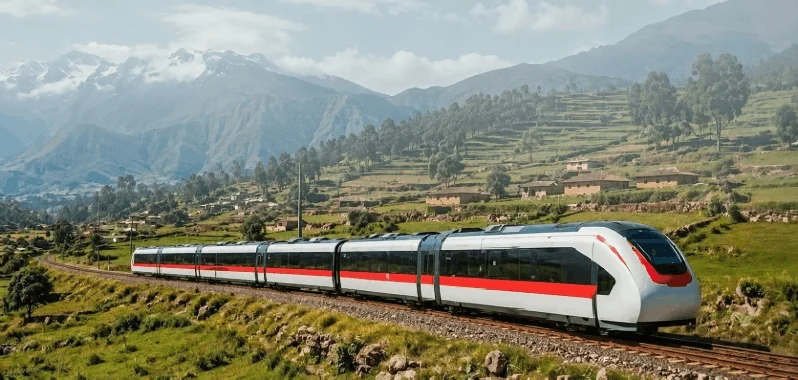
- Railway Integration: The MTC is evaluating the feasibility of expanding the national rail network to connect industrial zones with the Port of Chancay and the airport, effectively creating a multimodal logistics hub.
- The Viaducto Santa Rosa: This infrastructure is essential for the airport’s efficiency. It serves as the primary artery for transit flow, ensuring that increased passenger and cargo volume does not paralyze the surrounding urban traffic.
Official Perspectives: A Synergy of Interests
The MTC’s stance, as articulated by Minister Rafael Rey, emphasizes a paradigm shift from reactive to proactive governance. "We are moving beyond the era of isolated projects," the Minister noted during the session. "The objective is to foster an ecosystem where the public sector provides the framework and the private sector provides the efficiency, ensuring that infrastructure serves as a catalyst for national competitiveness."

The CCL representatives echoed this sentiment, highlighting that the private sector is prepared to increase capital injection provided there is "regulatory predictability." The Chamber of Commerce emphasized that the cost of inaction—represented by traffic congestion, port delays, and logistical inefficiencies—is significantly higher than the cost of the proposed investments.
Implications for the Future of Peru
The alignment between the MTC and the CCL carries profound implications for Peru’s economic development. If these projects are executed within the proposed 2027 timeline, the country will likely see a marked improvement in its "Ease of Doing Business" rankings, particularly in the logistics and transport sectors.
Economic Multiplier Effect
Infrastructure development is not just about concrete and steel; it is about the "multiplier effect." Every dollar invested in high-quality rail and airport infrastructure generates approximately $2.50 in broader economic activity. By facilitating faster movement of goods and people, the MTC is laying the groundwork for a more diversified economy that is less dependent on raw material exports and more capable of participating in high-value global supply chains.
Mitigating Risks
Despite the optimism, the meeting also acknowledged the inherent risks of such large-scale endeavors. Climate change, which poses threats to existing and future infrastructure, and the potential for shifts in global commodity prices remain on the Ministry’s radar. Consequently, the 2027 budget includes contingency funds for climate-resilient engineering and advanced risk management protocols.

Moving Forward: A Unified Front
The involvement of the Vice Minister of Transport, Gabriela Carrasco Carrasco, along with representatives from the National Port Authority (APN) and the General Directorate of Civil Aeronautics, highlights the cross-sectoral nature of this initiative. By bringing together experts from aviation, maritime, and land transport, the government is ensuring that these projects are not siloed but are part of a singular, integrated vision for Peru’s future.
As the meeting concluded, both parties agreed to establish a standing committee to monitor the progress of these initiatives on a quarterly basis. This commitment to ongoing dialogue ensures that the momentum generated during this summit is maintained, providing the private sector with the confidence needed to commit to long-term investment strategies.
In conclusion, the collaboration between the MTC and the Lima Chamber of Commerce represents a pivotal moment for Peruvian infrastructure. By tackling the financial and regulatory hurdles of the 2027 budget head-on, the state is demonstrating a serious commitment to closing the infrastructure gap and positioning Peru as a premier logistics hub in the Pacific region.