As the Peruvian Congress prepares to debate the National Budget for the 2027 fiscal year—a gargantuan proposal exceeding S/ 266 billion—a glaring contradiction has emerged between the government’s rhetoric and its fiscal priorities. While the administration of President Keiko Fujimori has campaigned heavily on the slogan "Vuelve el Orden" (Order Returns), pledging a definitive crackdown on organized crime and street-level violence, the proposed budget figures paint a strikingly different picture: a significant retreat from public safety funding coupled with an unprecedented surge in military investment.
The Core Contradiction: A Tale of Two Budgets
The 2027 budget proposal reveals a profound realignment of state resources. Despite the ongoing national crisis involving extortion, kidnapping, and transnational criminal syndicates, the government has opted for a "defense-first" fiscal strategy.
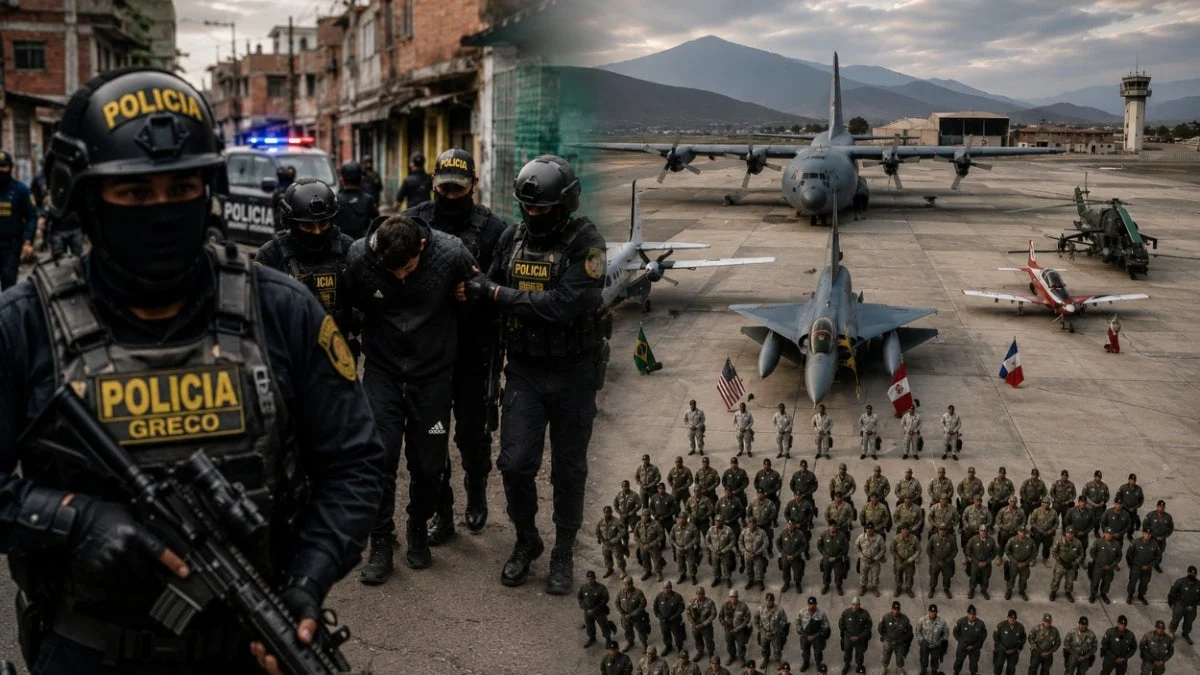
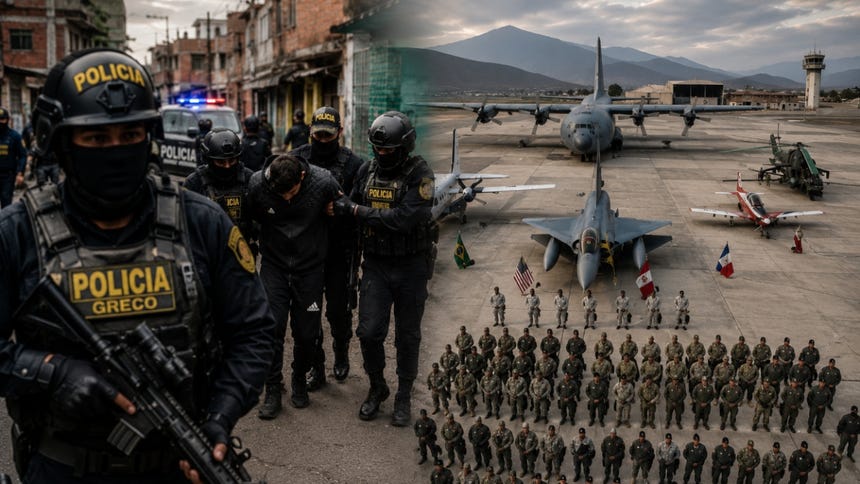
According to an in-depth analysis of the budgetary allocations, the sector designated for Public Order and Security—the backbone of the fight against domestic crime—is slated to suffer a reduction of S/ 519 million compared to the 2026 fiscal year. This represents a 3.3% decline, bringing the total allocation down to S/ 15.338 billion.
In sharp contrast, the Defense and National Security sector is the clear beneficiary of this year’s fiscal planning. It will receive a massive infusion of S/ 1.812 billion, marking a 25% increase that brings its total to S/ 8.993 billion. For experts and political observers, the optics of slashing the police budget while ballooning the military’s procurement capacity during an internal security crisis are not only jarring but potentially dangerous.
Chronology of the Policy Shift
To understand how the government arrived at this allocation, it is necessary to look at the timeline of the current administration’s security policy:
- Mid-2026: The Fujimori administration takes office, immediately prioritizing the "Vuelve el Orden" campaign. Expectations are high that the new government will provide the police with significantly expanded resources to combat the rising tide of extortion.
- Late Q3 2026: Internal discussions begin regarding the modernization of the Armed Forces, focusing on long-delayed structural repairs and the necessity of upgrading aging combat platforms.
- August 2026: The government drafts the 2027 Public Budget, emphasizing long-term strategic sovereignty over immediate domestic stabilization.
- September 2026: The budget reaches the Congressional plenary. Preliminary reports from the Ministry of Economy and Finance trigger alarms among security analysts as the cuts to the Ministry of the Interior become public.
- Current Status: The proposal is currently under heavy scrutiny, with opposition lawmakers and former security officials questioning the rationale behind the prioritization of jet fighters and naval infrastructure over community policing.
Supporting Data: The Erosion of Citizen Security
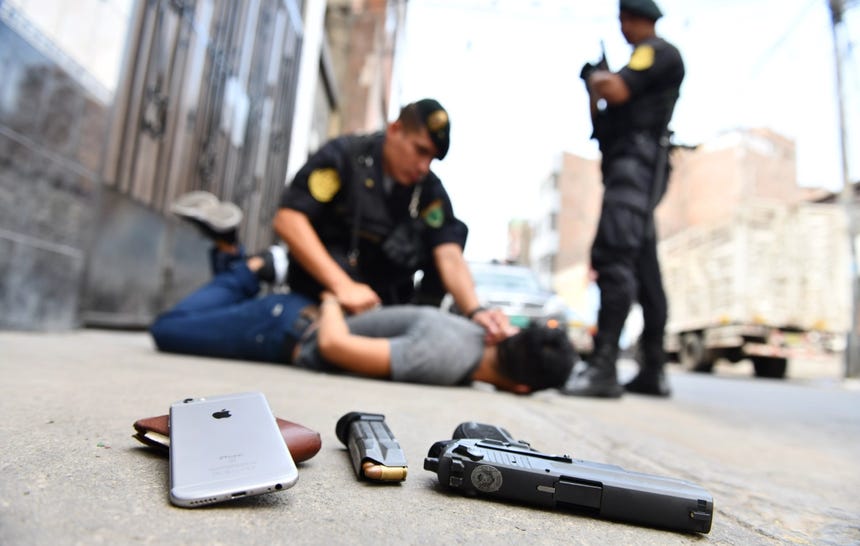
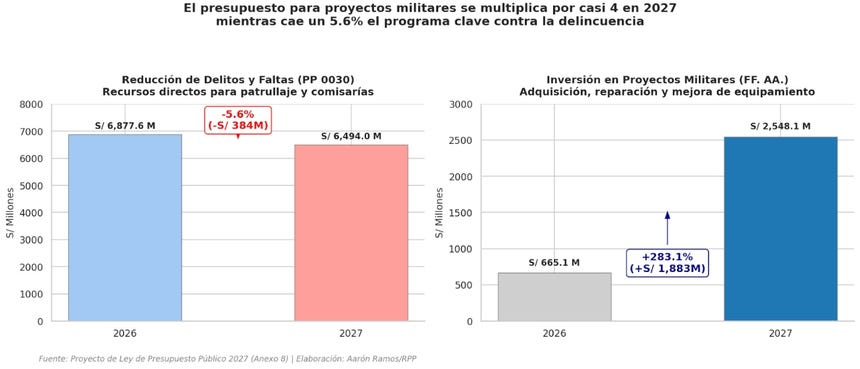
The most alarming aspect of the budget, according to analysts, is the direct hit taken by the programs responsible for daily police operations. The budget line specifically earmarked for "Public Safety," which funds routine police patrolling, neighborhood tactical operations, and the basic maintenance of police stations, will drop from S/ 6.878 billion to S/ 6.494 billion.
This reduction of S/ 384 million (a 5.6% contraction) is expected to limit the operational range of police units nationwide. Critics argue that in a context where criminal organizations are becoming increasingly sophisticated, the state is withdrawing its boots-on-the-ground support exactly when it is most needed.
Official Responses and Expert Critique
The policy has drawn sharp condemnation from those who have previously held the reins of the Interior Ministry. Carlos Basombrío, former Minister of the Interior, did not mince words when interviewed about the cuts.
"It seems deeply irresponsible and incomprehensible," Basombrío stated. "I cannot understand how, in a moment where we are seeing tragedies like those in La Libertad and Trujillo, and with the severe lack of resources we have to fight crime, the budget is reduced. It is something very strange and inexplicable."
Conversely, the defense sector argues that the increase is not a choice between security and defense, but a long-overdue rectification of state neglect. Jorge Chávez Cresta, former Minister of Defense, contends that the surge in investment is part of a strategic plan initiated back in 2016.
"We have to be careful not to see this as a zero-sum game," Chávez Cresta argued. "The military equipment of this country has been neglected for decades. We are essentially catching up on a disuasive plan that was deferred far too long." However, he added a cautionary note for the executive branch: "We must ensure this money is spent wisely. Do not ‘buy for the sake of buying.’ The Comptroller’s Office must be vigilant."
The Three Pillars of Military Spending
The government’s decision to prioritize defense is heavily concentrated in three major capital-intensive projects, which account for the lion’s share of the S/ 1.883 billion increase in investment:
1. The La Joya Air Base Modernization (S/ 881 Million)
The flagship investment is the recovery of the fighter jet fleet at the La Joya base in Arequipa. This includes the acquisition of modern platforms and the construction of state-of-the-art infrastructure. Chávez Cresta notes that the base had become a relic, lacking even basic utilities like water, making it impossible to house modern F-16 or similar combat aircraft.
2. Surface Fleet Recovery (S/ 527 Million)
This allocation is intended for the maintenance and modernization of the Peruvian Navy’s surface ships at the Callao shipyard. While the necessity of naval maintenance is undisputed, some military analysts have questioned the strategic focus, suggesting that resources might be better spent on submarine capabilities or precision missile technology rather than the maintenance of legacy surface vessels.
3. The Callao Naval Base "Plan Maestro" (S/ 400 Million)
This investment is intrinsically linked to the "Chancay Effect"—the massive commercial expansion of the Port of Chancay and the accompanying need to secure the coastline and support the local naval industry. The partnership between the state-owned shipyard SIMA and the South Korean firm Hyundai is expected to revitalize the Peruvian maritime industrial base, positioning Callao as a hub for both civilian and military vessel maintenance.
Implications for the Future of Peruvian Governance
The 2027 budget represents a critical crossroads for the Fujimori government. By focusing on high-visibility military modernization, the administration is betting on the idea that national sovereignty and strategic deterrence are the ultimate safeguards for the country’s stability.
However, the political cost of this decision is significant. By appearing to ignore the immediate, visceral needs of citizens suffering under the yoke of daily criminal activity, the government risks losing the "law and order" mandate upon which it was elected.
As the debate moves to the Congressional floor, the government will face a difficult task: justifying why, in the middle of an "internal war" against organized crime, the state is investing heavily in the skies and the sea, while leaving its police forces to operate with fewer resources on the streets.
The upcoming legislative sessions will be a litmus test for the government’s political capital. If the administration cannot reconcile the disconnect between the "Vuelve el Orden" narrative and the reality of the fiscal cuts, it may find itself facing a broader crisis of legitimacy that no amount of military hardware can fix. Ultimately, the question for the Peruvian people is whether the state is truly prepared to "bring back order," or if it is merely shifting its focus toward a future conflict while abandoning the one currently being fought on its own doorsteps.