By Financial News Desk
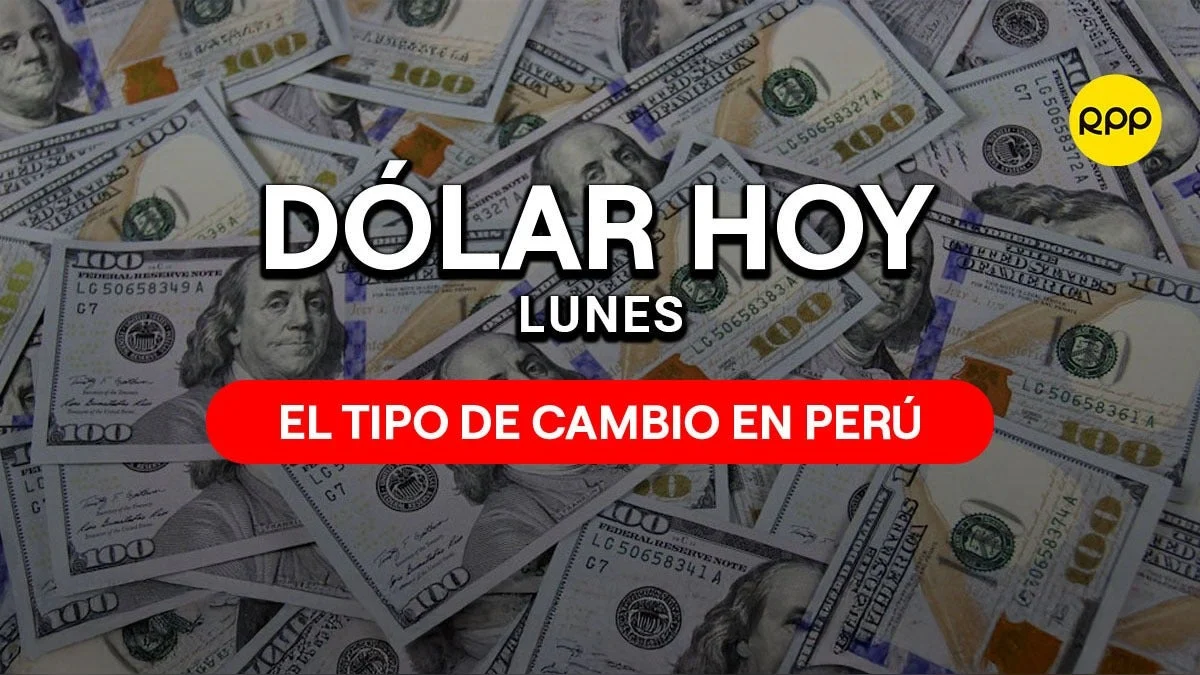
As of Monday, August 24, the Peruvian financial landscape is navigating a period of moderate volatility. According to the latest data released by the Central Reserve Bank of Peru (BCRP), the exchange rate stands at S/3.35 per U.S. dollar. This figure represents a slight appreciation of the greenback—an increase of 0.06%—compared to the previous closing session. While seemingly marginal, this movement underscores the intrinsic sensitivity of the Peruvian sol to international market pressures and internal economic dynamics. For businesses, households, and investors, this adjustment serves as a reminder of the dollar’s pervasive influence on daily life in Peru.
The Core Facts: Current Market Snapshot
The exchange rate is a vital barometer for the health of any national economy. In the case of Peru, the current rate of S/3.35 reflects a modest strengthening of the U.S. dollar against the national currency. When the dollar rises, the cost of importing goods increases, which can create a ripple effect across the consumer price index.
For the average citizen, a change of 0.06% might go unnoticed at a currency exchange booth, but for importers and corporate entities managing large-scale financial operations, even fractional shifts dictate significant adjustments in profit margins and pricing strategies. The BCRP remains the primary institutional monitor of these fluctuations, intervening when necessary to ensure that the volatility does not transition into instability.
Chronology: The Evolution of the Sol-Dollar Relationship
To understand the current standing of the Peruvian sol, one must look at the historical context of Peru’s monetary policy. Historically, Peru has maintained a "managed float" exchange rate system. This means that while the market determines the value of the dollar based on supply and demand, the BCRP steps in to prevent abrupt or speculative movements that could damage the economy.
- The Early 2000s: Post-hyperinflationary recovery, the dollar was a symbol of stability. Many Peruvians began holding savings in dollars to protect their wealth.
- The 2010s Growth Period: During Peru’s commodity boom, the sol strengthened, leading to a period of "dedollarization" in the banking sector.
- Recent Years: Increased global uncertainty, trade tensions, and the impact of the pandemic have seen the dollar fluctuate as a "safe haven" asset. Today’s rate of S/3.35 is part of a broader, long-term trend where the BCRP balances the need for a competitive export price with the necessity of keeping imported inflation in check.
Supporting Data: Why the Dollar Matters
The significance of the U.S. dollar in Peru transcends the average tourist transaction. It is the lifeblood of the nation’s international trade.
1. The Import-Export Balance
Peru’s economy relies heavily on both the export of raw materials (such as copper, gold, and agricultural products) and the import of manufactured goods and technology. When the dollar appreciates, exports become cheaper for foreign buyers (potentially boosting volume), but imports—such as electronics, vehicles, and certain food staples—become more expensive for the Peruvian consumer.
2. Dollarization of Debt
A significant portion of the Peruvian private sector holds debt denominated in U.S. dollars. This includes corporate loans and mortgage debt. When the exchange rate rises, the cost of servicing this debt in soles increases, which can tighten corporate budgets and reduce the disposable income of families with dollar-denominated mortgages.
3. Inflationary Pressures
Because many of the inputs for Peruvian manufacturing are imported, a sustained increase in the dollar’s value eventually translates into higher prices at the grocery store and the tech shop. This is known as "imported inflation," a phenomenon that central banks monitor closely to prevent the erosion of consumer purchasing power.
Official Responses and Monetary Policy
The Central Reserve Bank of Peru (BCRP) employs several mechanisms to manage the exchange rate. Their mandate is not to fix the price of the dollar, but to ensure that the volatility remains within manageable bounds.
When the market experiences "shocks"—sudden, irrational spikes in the price of the dollar—the BCRP typically intervenes by selling dollar reserves. By increasing the supply of dollars in the local market, the Bank helps lower the price, thereby stabilizing the sol. Conversely, if the sol becomes too strong, hurting local exporters, the BCRP may purchase dollars to increase reserves and support the export sector.
Economists often praise the BCRP for its technical independence and proactive stance. Their ability to maintain a strong international reserve position has historically been the primary shield protecting Peru from the more extreme currency collapses seen in other parts of Latin America.
Implications: The Human Impact
Understanding the dollar’s movement is not merely an academic exercise; it has real-world consequences for the Peruvian public.
Impact on the Consumer
When the dollar rises, the cost of "imported baskets" increases. This includes smartphones, laptops, clothing brands from abroad, and even wheat and fuel, which are often priced in dollars globally. Consumers often feel this "pinch" within weeks of a currency shift, as retail prices are adjusted to reflect the cost of replenishment.
Savings and Financial Planning
For those who have their savings in U.S. dollars, a rising rate is theoretically a gain in terms of soles. However, financial advisors often warn against "speculating" on the exchange rate. The cost of shifting between currencies—through banking commissions and the "spread" (the difference between the buy and sell price)—often negates small gains for the average individual.
Advice for Businesses
For small and medium enterprises (SMEs), currency volatility requires a hedging strategy. Those who import goods should consider using financial instruments to lock in exchange rates for future purchases, thereby shielding their business from sudden spikes in the price of the dollar.
Strategic Outlook: Navigating Future Volatility
As we look toward the future, the global economy remains in a state of flux. Factors such as U.S. Federal Reserve interest rate policies, international commodity prices, and local political stability will all play a role in determining where the dollar lands in the coming months.
The lesson for the Peruvian public is clear: maintain a balanced financial portfolio. While the sol remains the currency of daily transactions, the dollar’s role as a global standard of value cannot be ignored. Informed consumers are those who understand that while they cannot control the BCRP or global markets, they can control their own debt exposure and spending habits.
Key Takeaways for the Informed Citizen:
- Monitor the Trend, Not the Daily Fluctuation: Short-term spikes are often temporary. Focus on medium-term trends.
- Evaluate Debt: If you have high levels of debt, prioritize paying off dollar-denominated loans if your income is in soles.
- Diversify: A mix of local currency and foreign currency savings can provide a hedge against inflation.
- Stay Educated: Utilize resources from the BCRP and reputable financial news outlets to stay ahead of macroeconomic shifts.
In conclusion, while the S/3.35 exchange rate reported this Monday is a reflection of current market sentiment, it serves as a crucial reminder of the interconnectedness of our daily lives with the global economy. By staying informed and financially disciplined, Peruvians can navigate these fluctuations with confidence, ensuring their financial health remains stable regardless of the currency market’s mood.
Disclaimer: This article is for informational purposes only and does not constitute financial advice. Exchange rates are subject to change throughout the trading day. Consult with a qualified financial advisor before making major investment or debt-related decisions.