Introduction: The Engine of the Peruvian Economy
The Peruvian mining sector continues to assert its position as the undisputed backbone of the nation’s economic framework. According to the latest data released by the Ministry of Energy and Mines (MINEM), the industry has demonstrated remarkable resilience and growth throughout the first half of 2026. As global demand for base and precious metals fluctuates, Peru’s ability to sustain production levels—and in several key instances, significantly exceed them—serves as a testament to the country’s strategic importance in the global mining supply chain.
The recently published Boletín Estadístico Minero (BEM), prepared by the General Directorate of Mining Promotion and Sustainability (DGPSM), provides a comprehensive overview of a sector that is not merely surviving, but actively driving national development through investment, job creation, and export revenue.
Main Facts: A Mid-Year Performance Overview
The June 2026 reporting cycle has brought encouraging news for the mining industry. While the global economic landscape remains complex, Peru’s mineral output has shown robust health, particularly in the production of iron, tin, and molybdenum.
Key performance indicators for June 2026 reveal that three of the eight primary metallic mining products registered notable growth compared to the same month in 2025. Specifically, the production of iron, tin (+12.9%), and molybdenum (+5.4%) showcased a strong upward trend. This growth is not merely a seasonal anomaly; it represents the culmination of sustained operational efficiency and optimized resource management across several key mining hubs.
Furthermore, the data regarding copper—the crown jewel of Peru’s mining exports—is equally significant. Despite challenges in global market pricing and logistics, copper production managed an accumulated increase of 1.9% for the January to June 2026 period compared to the previous year. This consistent growth underscores the long-term viability of major copper extraction projects currently operational within the Andean nation.
Chronology: The Trajectory of 2026 Production
To understand the current state of the industry, one must analyze the chronological progression of output across the first six months of 2026.
Q1: Establishing the Baseline
The first quarter of 2026 began with cautious optimism. Infrastructure improvements in the southern mining corridor and stable energy costs allowed companies to maintain steady production levels. By March, the BEM reports indicated that the groundwork for a strong second quarter was being laid, particularly in iron ore extraction, which began showing signs of high demand from Asian markets.
Q2: Acceleration and Growth
As the second quarter commenced, the momentum shifted from stability to expansion. By April and May, the surge in tin and molybdenum production began to manifest, driven by the increased operational capacity of facilities in the Arequipa, Moquegua, and Tacna regions.
The June Milestone
June 2026 serves as the focal point of the current report. The ministry noted that the inter-monthly growth for molybdenum—which saw a 6.5% increase compared to May—highlighted the efficiency of existing metallurgical processes. Simultaneously, the accumulated iron production surge of 41.1% over the first half of the year stands as a record-breaking figure that has caught the attention of regional economic analysts.
Supporting Data: Regional and Commodity Analysis
The Southern Triad: Molybdenum’s Dominance
Molybdenum has emerged as a star performer in the 2026 statistics. The Ministry of Energy and Mines reported that Arequipa, Moquegua, and Tacna collectively account for 79.9% of the national molybdenum output. This concentration of production highlights the critical role of southern Peru in the supply of this essential industrial metal, which is increasingly vital for high-strength steel alloys and chemical applications.
Iron Ore: A Stellar Performance
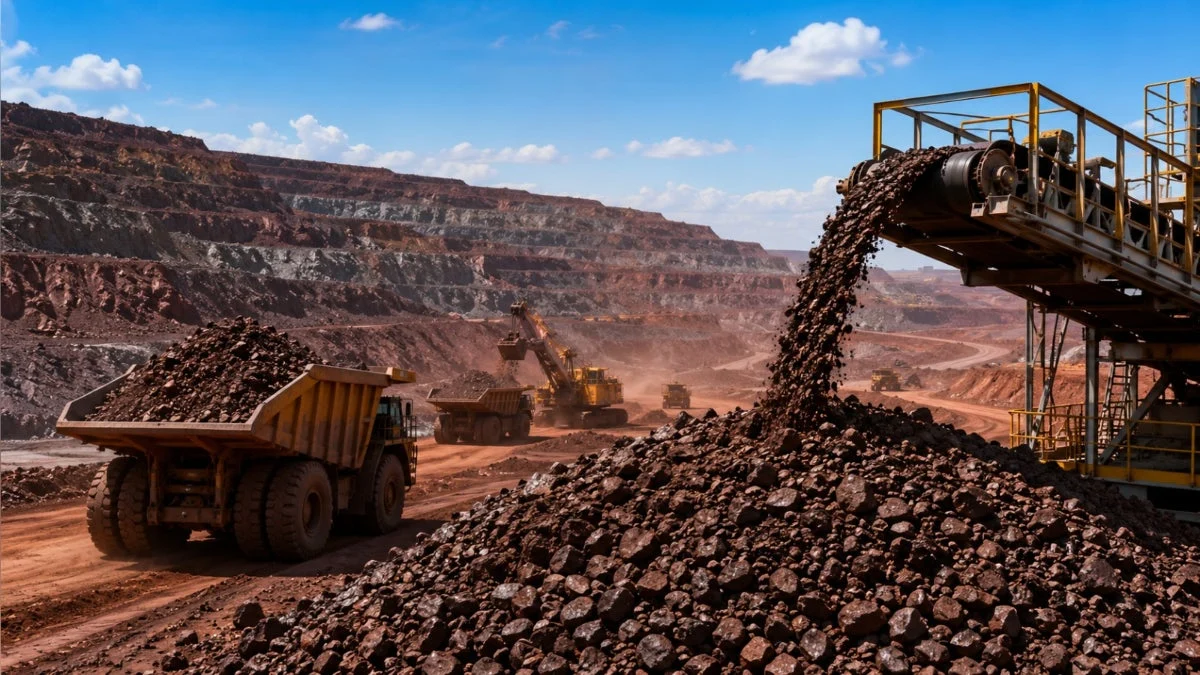
Perhaps the most striking figure in the report is the 41.1% accumulated increase in iron production from January to June 2026 compared to the same period in 2025. This surge indicates that major players in the iron sector have successfully optimized their extraction cycles. For a nation looking to diversify its exports, the massive scale-up in iron ore represents a significant shift in the balance of trade, providing a substantial boost to the national balance of payments.
Tin: Consistent Gains
The tin sector, while smaller in volume than copper or gold, has shown impressive percentage growth. With a 12.9% increase in June and a 6.5% growth in the six-month accumulated figures, the tin industry is clearly benefiting from improved technology and higher grade ore processing.
Official Responses: The Government Perspective
The Ministry of Energy and Mines (MINEM) has been quick to frame these figures as a validation of their current mining policy. In a formal statement accompanying the BEM report, the Ministry emphasized that the positive performance is not accidental but a result of a concerted effort to foster an environment conducive to investment.
"The mining sector remains a pillar of our economic architecture," a MINEM spokesperson noted. "These results demonstrate a mining industry that continues to generate high-quality employment, mobilize private capital, and contribute significantly to territorial development."
The ministry underscored that the exploitation of mineral resources is the fundamental driver for local development in regions that have historically lacked infrastructure. By streamlining bureaucratic processes for sustainable mining, the government aims to ensure that the current growth trend continues into the second half of 2026.
Implications: What This Means for the Peruvian Economy
1. Strengthening the Macroeconomic Profile
The consistent performance of the mining sector is a stabilizing force for the Peruvian Sol and the national budget. Mining exports are the primary source of foreign exchange for Peru. When production of key commodities increases, the country’s trade surplus expands, providing the government with the necessary fiscal space to fund public works and social programs.
2. Employment and Regional Development
Mining in Peru is not confined to the capital; it is a regional enterprise. The report highlights that the mining sector is the primary employer in several highland regions. The growth observed in 2026 translates into more jobs, not only within the mining sites themselves but also across the logistics, transport, and service sectors that support them. This "multiplier effect" is essential for poverty reduction in rural Peru.
3. Attracting Further Investment
The data provided in the BEM serves as a signaling tool for international investors. By showcasing a transparent, growing, and productive mining sector, Peru positions itself as a preferred destination for Foreign Direct Investment (FDI). With global energy transition trends driving demand for copper and other minerals, Peru’s ability to prove its productive capacity is crucial for securing the next wave of multi-billion dollar mining projects.
4. Sustainability and Future Challenges
While the growth is undeniable, the government is also mindful of the challenges ahead. The DGPSM has noted that future growth must be "sustainable." This implies a dual focus: maintaining high production levels while adhering to rigorous environmental and social standards. The ministry’s emphasis on "territorial development" suggests a push for mining companies to engage more deeply with local communities, ensuring that the wealth generated by the mines translates into tangible improvements in healthcare, education, and water management for the surrounding populations.
Conclusion: Looking Toward the Second Half of 2026
As the Peruvian mining sector enters the second half of 2026, the data from the first six months provides a strong foundation. The impressive 41.1% increase in iron production and the steady climb in copper, tin, and molybdenum output suggest that the industry is well-positioned to meet its annual targets.
However, the sector must navigate a dynamic global environment. Fluctuating commodity prices and the need for ongoing social dialogue remain persistent variables. Nevertheless, the Ministry of Energy and Mines remains confident. By leveraging its rich mineral endowment and maintaining a policy framework that encourages investment while prioritizing sustainable development, Peru is set to maintain its status as a global mining powerhouse.
The figures from June 2026 are more than just statistics; they are a clear indicator of a nation that understands the value of its resources and is committed to utilizing them for the long-term prosperity of its citizens. As the year progresses, all eyes will remain on the mining sector to see if this momentum can be sustained, potentially setting the stage for a banner year for the Peruvian economy.