Introduction: A Critical Supply Crisis
The energy landscape in southern Peru has reached a critical juncture. Faced with severe logistical bottlenecks and extensive damage to critical transport infrastructure caused by persistent, heavy rainfall, the Peruvian government has declared a state of emergency regarding the supply of Liquefied Petroleum Gas (LPG) in the regions of Cusco, Puno, Arequipa, Moquegua, and Tacna.
In direct response to this declaration, the Supervisory Body for Investment in Energy and Mining (Osinergmin) has unveiled a comprehensive package of temporary, exceptional measures. These regulations are designed to bypass traditional bureaucratic and logistical hurdles, ensuring that the supply chain remains functional and that the essential needs of the southern population are met during this period of extreme vulnerability.
Chronology of the Crisis and Governmental Action
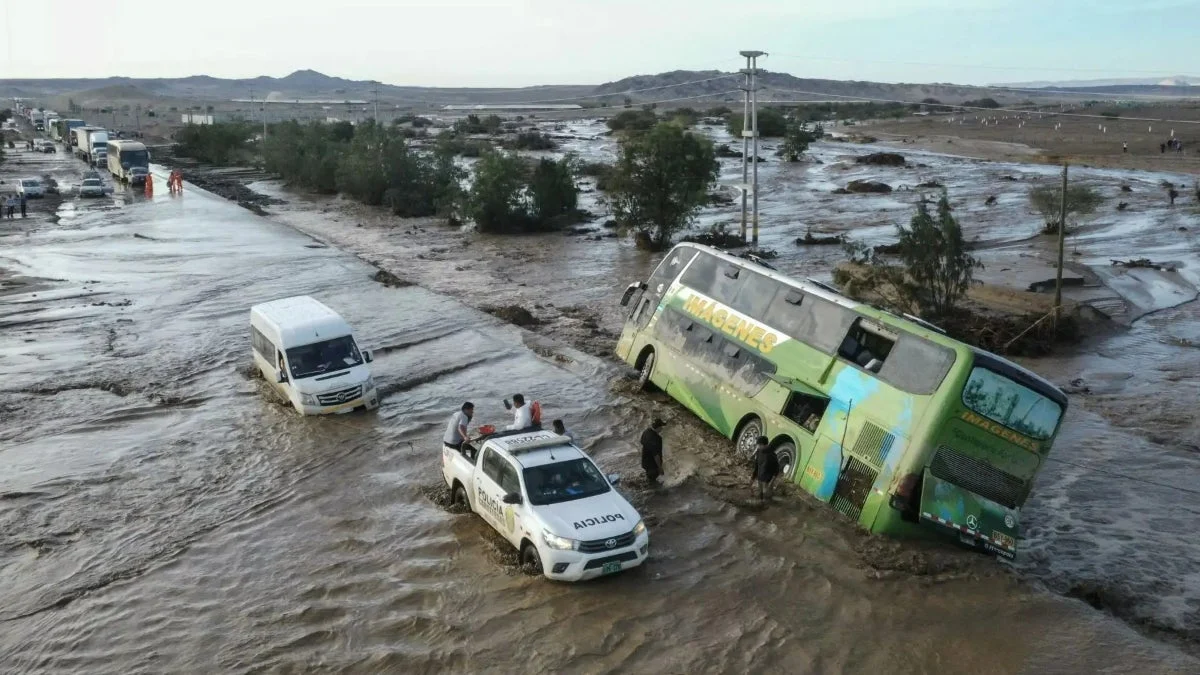
The current emergency did not materialize overnight. The situation is the culmination of weeks of adverse weather patterns that have battered the Andean regions, severely impacting the national highway network.
- Initial Signs of Distress: Reports of intermittent shortages began surfacing early in the month, with local taxi drivers and small businesses in Arequipa and Cusco reporting that gas stations were running dry.
- Logistical Paralysis: The heavy rains triggered landslides and road collapses along the primary routes connecting the production hubs of Pisco and Callao to the south. With road transport being the primary artery for LPG distribution, these closures effectively choked the supply chain.
- Governmental Intervention: Recognizing the potential for a social and economic crisis, the Ministry of Energy and Mines (MINEM) officially declared a 30-day state of emergency for the LPG supply in the affected regions.
- Osinergmin’s Regulatory Response: Within days of the declaration, Osinergmin acted to provide the "regulatory oxygen" necessary for companies to navigate the crisis, issuing resolutions to permit flexible transport and expedited import procedures.
Detailed Breakdown of Emergency Measures
Osinergmin’s strategy focuses on three main pillars: maximizing existing transport capacity, simplifying logistics, and expediting international supply channels.
1. Optimization of Transport Assets
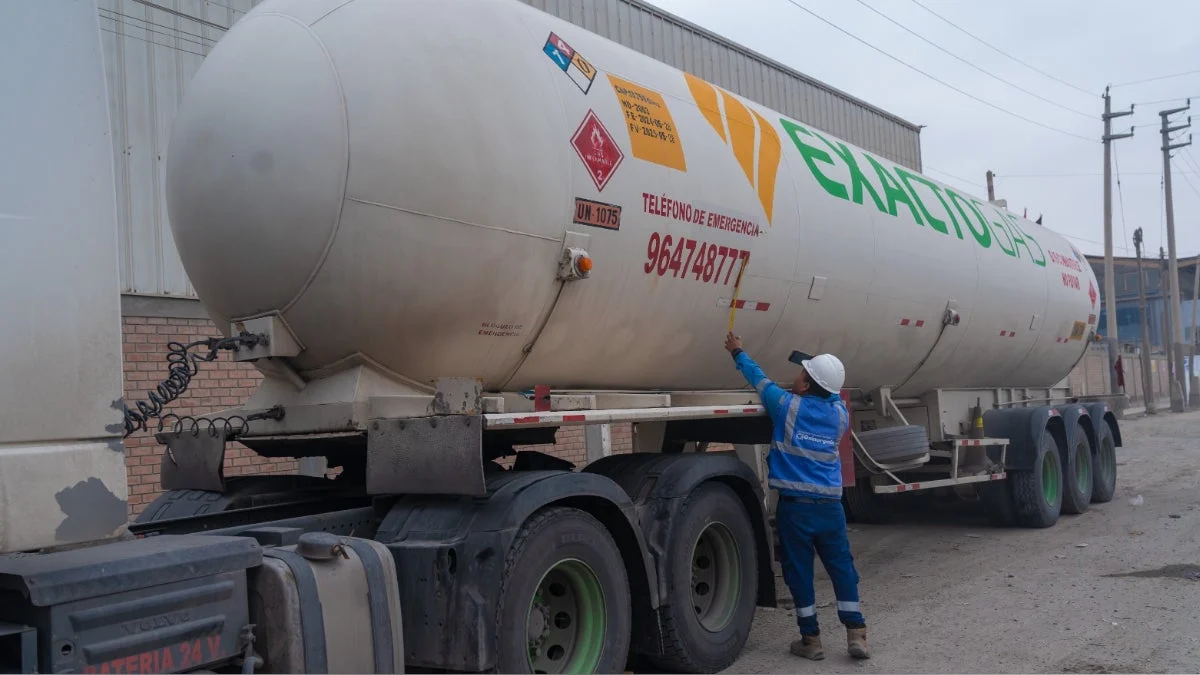
Under normal circumstances, the transport of hydrocarbons is strictly regulated, with specific cisterns and tractors registered for particular routes and tasks. To counter the current emergency, Osinergmin has:
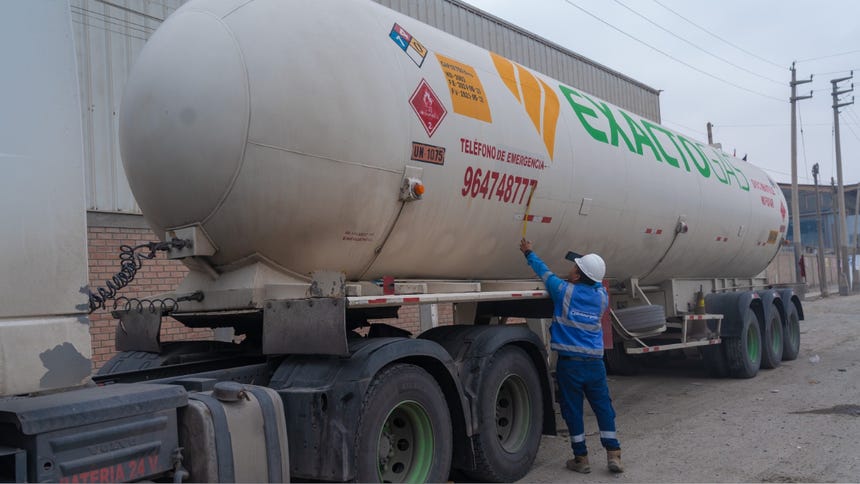
- Unified Fleet Utilization: Operators are now permitted to use tractos (truck heads) and cisterns registered under different files within the Hydrocarbons Registry to perform LPG operations. This allows companies to mix and match their available fleet to ensure that vehicles are not sitting idle.
- Repurposing Distribution Assets: The regulator has authorized the use of trucks previously designated for "bulk distribution" to be repurposed for the transport of LPG from supply plants to the affected southern regions. This effectively turns local delivery vehicles into long-haul supply units.
2. Streamlining International Imports
The shortage of domestic supply has made the importation of LPG a necessity rather than an option. Osinergmin has lowered the barriers for entry:
- Foreign-Plated Vehicles: To encourage the quick arrival of LPG from neighboring markets, vehicles with foreign license plates can now operate in Peru without needing prior registration in the local Hydrocarbons Registry. This is subject to strict notification to Osinergmin and the provision of valid insurance documentation.
- Envasadoras (Bottling Plants) as Importers: Previously, a bottling plant needed to be specifically registered as an "importer with storage" to bring in foreign LPG. During the 30-day window, these companies can bypass this additional layer of red tape, allowing them to import directly to their facilities to sustain the local market.
The Balancing Act: Security as an Unnegotiable Priority
While the measures are "flexible," they are not "lawless." A core concern for Osinergmin is ensuring that the relaxation of administrative rules does not translate into a decline in safety standards.
The regulator has emphasized that all participants in the supply chain—from transport firms to bottling plants—remain legally and technically responsible for the safety of their operations. This includes maintaining:
- Technical Integrity: Vehicles must still pass safety inspections, and handling protocols for highly flammable LPG must be strictly followed.
- Insurance Coverage: The waiver of registration requirements for foreign trucks does not extend to the waiver of insurance. Every vehicle must carry active, sufficient liability and accident insurance to cover potential spills, fires, or transit accidents.
- Emergency Duration: These measures are strictly temporary. Osinergmin has stipulated that once the 30-day emergency (or any potential extension declared by the Ministry of Energy and Mines) expires, all operators must revert to full compliance with the standard regulatory framework.
Supporting Data and Regional Impact
The southern regions of Peru are particularly sensitive to LPG shortages due to their reliance on the fuel for residential cooking and public transportation.
- The Geographic Scope: The affected regions—Arequipa, Cusco, Moquegua, Puno, and Tacna—comprise a significant portion of the nation’s GDP and energy demand.
- Economic Consequences: In Arequipa, the surge in prices and the inability to source fuel has caused a spike in transportation costs, affecting the daily wage of thousands of taxi drivers and the cost of logistics for local food suppliers.
- Infrastructure Vulnerability: The reliance on the Pan-American Highway and secondary mountain passes means that the supply chain is fragile. A single landslide can isolate these regions, demonstrating the urgent need for long-term investments in energy storage infrastructure, such as larger regional buffer tanks, to prevent future shortages.
Official Responses and Stakeholder Sentiment
The Ministry of Energy and Mines has framed these measures as part of a broader "destrabe" (unblocking) strategy. The goal is not merely to fix the current shortage but to ensure that the bureaucratic architecture of the energy sector is capable of responding to climate-related emergencies.
Industry players have largely welcomed the move. Energy logistics providers had been lobbying for these exceptions, arguing that the rigid adherence to administrative rules during a natural disaster was effectively acting as a secondary blockade. However, some consumer advocates have called for continued vigilance, fearing that the deregulation of import requirements could lead to price gouging by opportunistic importers.
In response, Osinergmin has committed to stepping up its monitoring activities, promising that while they are removing red tape, they will be "doubling down" on market surveillance to ensure that the fuel is reaching consumers at fair prices and that safety protocols are not being bypassed under the guise of the emergency.
Implications for the Future
The current situation serves as a stark reminder of Peru’s logistical vulnerabilities. The dependence on road-based transport for essential fuels makes the country’s energy security hostage to weather events.
Long-term Lessons:
- Diversification of Supply Routes: There is a growing consensus that the south requires more diversified supply chains, perhaps involving increased maritime logistics to southern ports, reducing reliance on long, fragile mountain highways.
- Strategic Reserves: The emergency has highlighted that regional storage capacity is insufficient. Many of the affected cities run out of fuel within days of a supply disruption. Building regional strategic reserves could act as a shock absorber for future crises.
- Regulatory Agility: The success or failure of Osinergmin’s current intervention will likely be used as a case study for future regulatory reforms. The ability to pivot quickly from rigid enforcement to flexible, emergency-based protocols is a capability that the government is looking to institutionalize.
Conclusion
As the 30-day emergency period progresses, the residents of Arequipa, Cusco, Puno, Moquegua, and Tacna will be closely watching the pumps. The measures introduced by Osinergmin represent a necessary and pragmatic intervention in a moment of crisis. By cutting through the procedural clutter, the state is making a concerted effort to prevent the current weather-induced tragedy from becoming a prolonged energy catastrophe.
However, the path forward remains challenging. The repair of the damaged roads, the continued monitoring of safety standards, and the stabilization of prices will require constant coordination between the government, private energy operators, and the local communities. The resilience of the southern regions is being tested, and these emergency measures are the first line of defense in protecting the livelihoods and safety of millions of Peruvians.