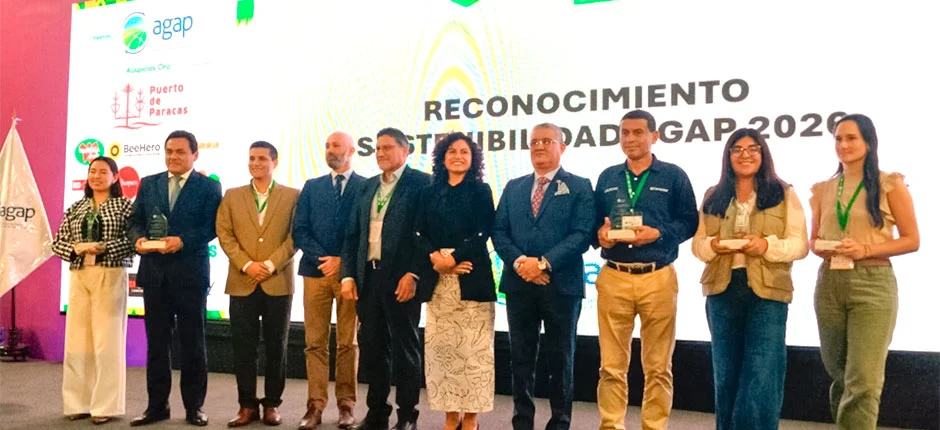
Lima, Peru – During the fifth edition of Agrofest, the most significant gathering for the Peruvian agricultural sector, the Association of Agricultural Producer Guilds of Peru (AGAP) officially conferred the "AGAP Sustainability Recognition 2026." This prestigious accolade highlights the transformative efforts of nine organizations that have successfully integrated environmental stewardship, social responsibility, and technological innovation into their core business models.
The awards, which serve as a benchmark for corporate responsibility in Latin America, underscore a pivotal shift in the regional agrarian landscape. As global markets demand higher standards of ESG (Environmental, Social, and Governance) performance, these nine winners represent the vanguard of a movement toward a more resilient and equitable agricultural future.
The Core Pillars: Recognizing Excellence Across Three Categories
The AGAP Sustainability Recognition 2026 is structured around three strategic pillars, each reflecting a vital component of modern, sustainable development. By dividing the recognition into these distinct categories, AGAP aims to provide a comprehensive view of how the agricultural value chain is addressing the multifaceted challenges of the 21st century.
1. Environmental Stewardship: Beyond Resource Management
The environment category focuses on initiatives that minimize the ecological footprint of production.
- Danper: Awarded for its "Zero Waste" program, which operates on the principles of a circular economy. By prioritizing the reduction, reuse, recycling, and valorization of operational waste, Danper has set a new industry standard for industrial efficiency.
- Ubee Colombia: Recognized for its visionary project, "Intelligent Pollination and Inclusive Beekeeping to Strengthen Resilience of Coffee Farmers in Latin America." This project addresses the dual challenge of biodiversity loss and the economic stability of smallholder coffee growers.
- Campo Limpio: Honored for the "Efficient Management of Empty Agrochemical Containers in the Ancash Region," an initiative that tackles the critical issue of chemical waste disposal, preventing soil and water contamination in high-production areas.
2. Innovation and Technology: Engineering the Future of Agribusiness
Technological adoption is no longer a luxury; it is a prerequisite for competitiveness.
- Camposol: Recognized for its "ORIGEN" genetic improvement program, which leverages advanced science to create more resilient and productive crop varieties.
- Biológicos Naturales: Honored for the "Biocircular" project, which transforms agricultural waste into regenerative bio-inputs using proprietary Peruvian technology, effectively closing the loop on agricultural production.
- Ecowax: Distinguished for its organic carnauba-based coating for Hass avocados, an innovation that enhances post-harvest quality, safety, and shelf life, thereby strengthening the competitive position of Peruvian fruit in international markets.
3. Social Inclusion: Strengthening the Human Fabric
The final pillar emphasizes the human element of agriculture, focusing on community development and food security.
- Compañía Minera Antamina: Acknowledged for its strategic alliance to manage agricultural export development in the province of Huarmey, demonstrating that cross-sector collaboration is key to regional economic prosperity.
- Caritas Chosica: Recognized for its project to strengthen the sustainable value chain of the Cumpe cherimoya through community organization and differentiated marketing.
- Banco de Alimentos Perú: Awarded for the "Feeding with Hope: From the Field to the Community" initiative, which builds sustainable food security by connecting agricultural surplus directly to vulnerable populations.
Chronology of the 2026 Selection Process
The road to the AGAP Sustainability Recognition 2026 was rigorous, spanning several months of evaluation to ensure that the winners were selected based on quantifiable impact rather than mere marketing rhetoric.
- Launch Phase (Q1 2026): AGAP issued the call for submissions, inviting firms and organizations across the agricultural spectrum to present projects that demonstrate measurable improvements in ESG indicators.
- Technical Review (Q2 2026): Submissions were vetted by a jury of experts, including Luis Quirós, Director of the Master in Agribusiness Administration at ESAN; Juan Carlos Castro, former Minister of the Environment; and Silvana Caro, Executive Director of Soluciones Conjuntas.
- Deliberation: The panel conducted site visits and data verification to validate the claims made by the participants, ensuring that the results were both sustainable and scalable.
- The Ceremony (Agrofest 2026): The final winners were announced and honored during the gala ceremony at Agrofest, with the awards presented by Gabriel Amaro, President of AGAP, and Edwin Córdova, Head of Sustainability.
Official Perspectives: The Strategic Mandate of Sustainability
During his keynote address, Gabriel Amaro, President of AGAP, articulated the organization’s vision for the future of the sector.
"This recognition seeks to visibilize and promote initiatives that demonstrate that sustainability is not a side project, but a strategic axis for the country’s development," Amaro stated. "The companies distinguished this year are a testament to how innovation, inclusion, and environmental commitment can generate positive impacts for our communities while significantly strengthening the competitiveness of our production sectors."
The sentiment was echoed by the jury members. Juan Carlos Castro, former Minister of the Environment, emphasized that "the transition toward a sustainable agro-export model requires not just technology, but a deep commitment to the social fabric of the regions where these companies operate."
Economic and Social Implications: Why This Matters
The implications of these awards extend far beyond the trophy shelves of the nine winning companies. They signify a broader, tectonic shift in the Peruvian economy.
Boosting International Competitiveness
Peruvian agriculture is a major global player, particularly in fruits and vegetables. By adopting practices recognized by AGAP, these companies are effectively "future-proofing" their exports. European and North American retailers are increasingly demanding certification and evidence of carbon neutrality, fair labor practices, and circular resource management. Projects like Ecowax’s post-harvest technology and Danper’s zero-waste initiative provide the data-backed evidence needed to maintain market access in these highly regulated regions.
Fostering Regional Resilience
The inclusion of organizations like Caritas Chosica and Banco de Alimentos Perú alongside large entities like Antamina highlights a critical realization: sustainability is a collaborative effort. By connecting small-scale producers (the backbone of local agriculture) with the resources and logistics of larger organizations, the industry is creating a "rising tide" effect. This helps mitigate the risks associated with climate change and market volatility, which disproportionately affect smaller producers.
The Role of Technology in Regenerative Agriculture
The success of Biológicos Naturales and Camposol’s genetic programs points toward a future where agricultural productivity does not come at the expense of the environment. By converting waste into bio-inputs, the industry is moving away from a dependence on synthetic fertilizers, which are prone to price volatility in the global energy market. This shift not only protects the soil for future generations but also improves the long-term bottom line for farmers.
Conclusion: A Blueprint for the Future
As the Peruvian agricultural sector looks toward the end of the decade, the AGAP Sustainability Recognition 2026 serves as both a scorecard and a roadmap. It highlights that the most successful companies in the 21st century will be those that view their business as an integrated part of a living ecosystem.
By fostering a culture where environmental protection, technological innovation, and social equity are prioritized, AGAP is positioning Peru as a global leader in sustainable agriculture. The nine companies recognized this year are more than just winners of a contest; they are the pioneers of a new model of development that will define the prosperity of the nation for years to come.
As Gabriel Amaro concluded during the ceremony, "The path to sustainable development is continuous. With these recognitions, we are not just celebrating what has been done, but setting the standard for what must be achieved in every corner of our country’s agricultural sector."