The urban landscape of Luque, Paraguay, is currently undergoing a significant metamorphosis. At the heart of this change lies the "Corredor Vial Las Residentas," a strategic infrastructure project aimed at optimizing the capacity and efficiency of the Ruta Departamental 025, specifically along the vital artery known as the Avenida General Elizardo Aquino. This project represents more than just road widening; it is a comprehensive engineering endeavor designed to mitigate long-standing drainage issues, enhance commuter safety, and streamline the logistical flow into the capital city of Asunción.
Main Facts: A Blueprint for Modern Mobility
The Corredor Vial Las Residentas project is a high-priority initiative currently executing multiple work fronts simultaneously in the city of Luque. The primary objective is the structural expansion and modernization of the Avenida General Elizardo Aquino, a critical transit route that has struggled to cope with the exponential growth of vehicular traffic in the metropolitan area.
The technical scope of the project is expansive, involving not only the surface-level paving of the road but also critical subsurface infrastructure. Among the most significant engineering challenges being addressed is the comprehensive overhaul of the city’s drainage systems. The construction of new, robust stormwater management systems is essential to preventing the recurring flooding that has historically plagued the area, causing significant disruptions to residents and commerce alike.
Key components of the current construction phase include:
- Drainage Infrastructure: The installation of high-capacity cellular sewage systems, specifically the 1×1 cellular sewer systems near the Puente Abay, designed to capture and redirect heavy rainfall.
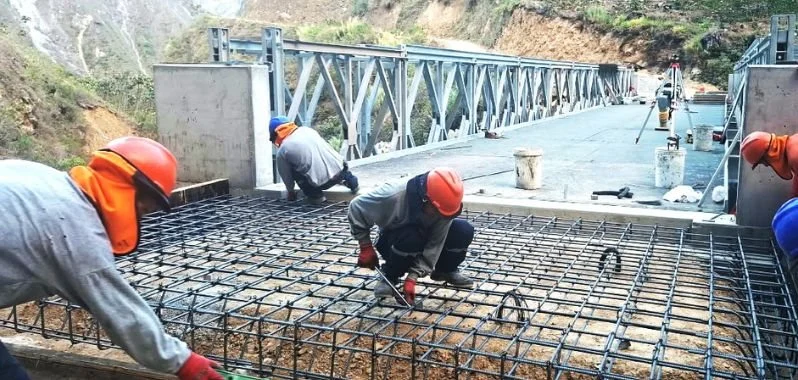
- Structural Pavement Preparation: Extensive work on the subbase and the application of granular base layers, creating a resilient foundation capable of supporting heavy transport vehicles.
- Topographic Engineering: Precise marking and replanteo (layout) of the road geometry, particularly in high-traffic zones such as the area surrounding the Silvio Pettirossi School.
Chronology of the Project
The timeline of the Corredor Vial Las Residentas reflects a phased approach to urban development, prioritizing long-term durability over quick-fix solutions.

Initial Planning and Feasibility
The project was born out of the necessity to alleviate the congestion on one of the primary access points to Asunción. Years of urban sprawl in Luque necessitated a design that could handle not only current volume but also projected traffic increases over the next two decades.
Execution Phase: The Current Status
Currently, the project is in a critical stage of structural stabilization. Following the initial clearing and site preparation, engineers have moved into the "layering" phase. This involves the systematic application of granular material to create a load-bearing surface.
In recent months, the project has reached several milestones:
- Subbase Completion: Many segments of the road have successfully passed the subbase construction phase, providing a leveled and compacted ground layer.
- Imprimación (Priming): Application of the first layers of bitumen-based primers, which act as a binding agent between the base and the final asphaltic carpet.
- Strategic Drainage Placement: The strategic deployment of the 1×1 cellular sewer system is nearing completion in the Puente Abay sector, effectively creating a "dry" foundation for the subsequent asphalt work.
Supporting Data: Engineering and Finance
The project’s sustainability is underpinned by a collaborative financial and operational framework. The responsibility for the physical execution of the works lies with the construction firm Benito Roggio e Hijos S.A., an entity with extensive experience in regional infrastructure projects.
Financial Architecture
Funding for this massive undertaking is provided by the Parque Tecnológico Itaipú – Paraguay (PTI-PY). This partnership highlights the intersection of technological research and public works, as the PTI-PY supports projects that offer a measurable improvement in the quality of life and economic productivity of the Paraguayan population.

Oversight and Quality Control
The Ministerio de Obras Públicas y Comunicaciones (MOPC) acts as the primary oversight body. The MOPC is responsible for ensuring that all phases of construction meet the strict technical standards required for national highways. This includes:
- Material Quality Testing: Constant laboratory analysis of the granular materials and asphalt mixes used to ensure they can withstand the extreme temperature fluctuations of the Paraguayan climate.
- Environmental Compliance: Adherence to drainage protocols to ensure that the new sewer systems do not cause erosion or water quality degradation in nearby water bodies.
Official Responses and Stakeholder Engagement
The Ministry of Public Works and Communications (MOPC) has emphasized that this project is a "cornerstone of connectivity." During recent press briefings, project supervisors noted that the work on Avenida General Elizardo Aquino is not merely a widening project, but a safety project.
"By addressing the drainage issues, we are effectively reclaiming the road for the citizens," an MOPC representative stated. "In the past, even moderate rainfall could render the avenue impassable. By implementing the new cellular drainage infrastructure, we are ensuring that the route remains functional regardless of meteorological conditions."
Local authorities in Luque have also expressed optimism, noting that the disruption caused by the ongoing construction—while inconvenient in the short term—is a necessary sacrifice for the long-term economic revitalization of the district. The project is seen as a key driver for local businesses, which will benefit from increased accessibility and a modernized urban profile.
Implications: A Catalyst for Future Development
The completion of the Corredor Vial Las Residentas will have profound implications for the metropolitan area of Asunción.

Improved Economic Mobility
Improved connectivity between Luque and the capital will significantly reduce the "commuter cost," which refers to the time lost in traffic. For a city that serves as a residential hub for thousands of people working in Asunción, reducing the transit time by even 15 to 20 minutes translates to massive gains in productivity and quality of life for the workforce.
Enhanced Road Safety
The project includes the renovation of signage and the strategic replanning of road sections near schools and public buildings. By creating a more orderly traffic flow and providing better pedestrian access, the MOPC aims to significantly reduce the incidence of traffic accidents in these high-traffic corridors.
Urban Resilience
The emphasis on drainage is a forward-thinking move. As climate patterns become more volatile, urban resilience is no longer an optional feature of infrastructure—it is a necessity. By building a drainage network that can handle the increased intensity of seasonal storms, the city of Luque is protecting its own assets and reducing the public cost of emergency road repairs after heavy flooding.
Future Connectivity
While the current focus is on the Avenida General Elizardo Aquino, this project serves as a model for future infrastructure investments in the region. The collaboration between international technical bodies like the PTI-PY and the national government proves that large-scale infrastructure can be executed with precision and technical rigor.
Conclusion
The Corredor Vial Las Residentas stands as a testament to Paraguay’s commitment to modernizing its transport network. Through a combination of rigorous engineering, strategic financial backing, and a focus on long-term resilience, the project is transforming a vital artery of Luque into a safe, efficient, and durable gateway to the capital. As the final layers of asphalt are laid and the drainage systems are activated, the citizens of the region can look forward to a more connected, efficient, and flood-resistant future. This project is not just building roads; it is constructing the foundation for the next chapter of Paraguayan economic growth.