Executive Summary: A Life-Saving Imperative
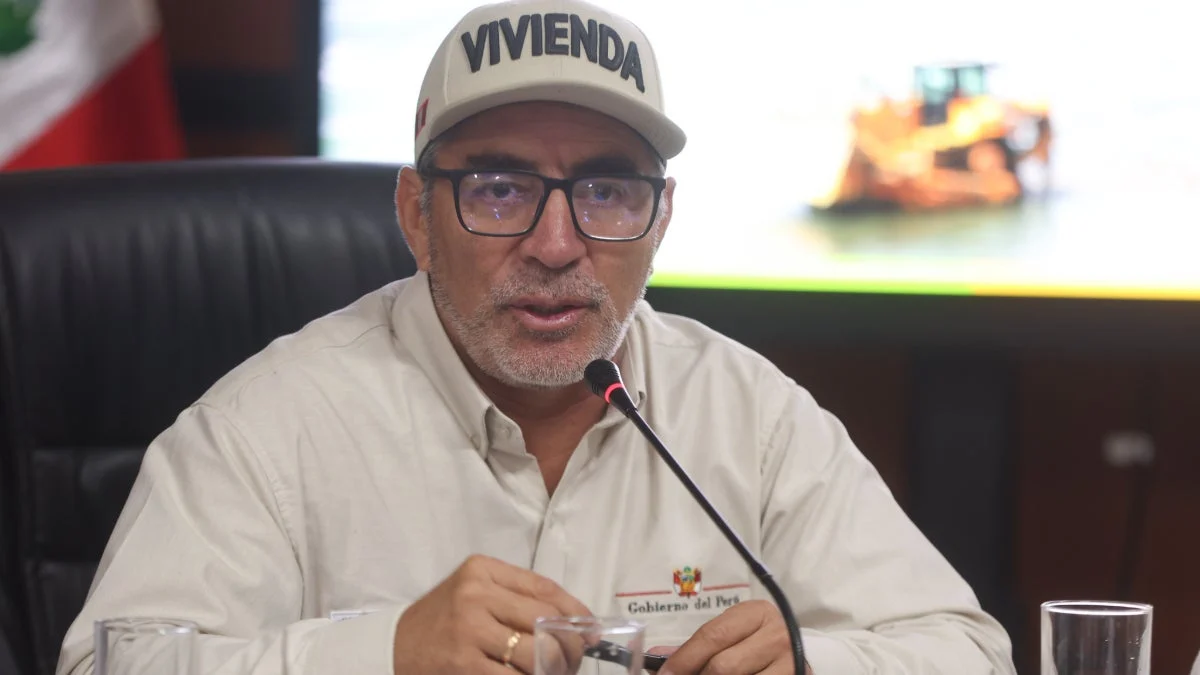
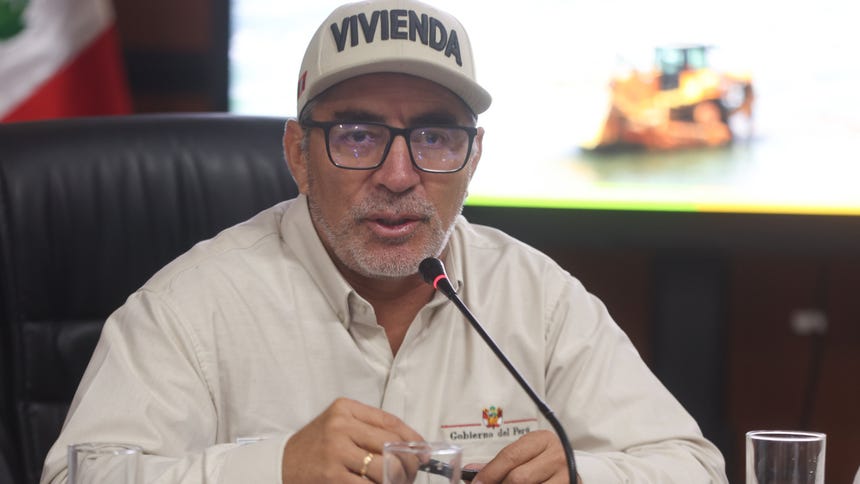
In a stern warning issued this Sunday, the Minister of Housing, Construction, and Sanitation, Mauricio Arnillas, delivered a sobering message to thousands of families currently residing in high-risk zones across Peru. With the intensification of the El Niño phenomenon, the minister emphasized that citizens living along riverbanks and within natural drainage channels—known locally as torrenteras—must proactively relocate.
During an interview on RPP’s La Rotativa del Aire, Minister Arnillas clarified that this directive is not intended to incite public panic, but rather to foster a culture of realistic prevention. As the government scrambles to implement mitigation strategies, the minister underscored that the ultimate responsibility for preserving human life lies in the hands of those currently situated in the direct path of potential flash floods and mudslides.
Chronology of the Crisis: From Warning to Urgent Action
The current state of emergency has not emerged overnight. The trajectory of the crisis can be traced back to the early months of 2026, marking a significant period of institutional inertia followed by an aggressive, albeit late, attempt to stabilize the nation’s defenses.
Early 2026: The Initial Warnings
As early as February 2026, global meteorological agencies began signaling the arrival of an extraordinary El Niño event. The climate data was consistent and alarming, predicting a season of heavy rainfall, atmospheric instability, and a high probability of severe hydrological events. However, despite these early warnings, the period between February and July was characterized by a lack of coordinated preventive infrastructure projects.
August 2026: The Shift to "Titanic" Efforts
It was not until the end of July and the beginning of August that the current administration initiated large-scale mitigation works. Minister Arnillas described the current state of operations as a "titanic effort," acknowledging that the government is effectively attempting to complete months of preparatory work in a condensed timeframe. This effort involves dredging riverbeds, reinforcing embankments, and mapping out vulnerable areas, though the minister concedes that the timeline remains tight as the climatic window closes.
Supporting Data: Why "It Hasn’t Happened in 20 Years" is a Dangerous Fallacy
One of the primary obstacles facing disaster prevention efforts is the psychological resistance of residents who have lived in high-risk zones for decades without incident.
The False Sense of Security
Minister Arnillas addressed the common local refrain: "It hasn’t rained like this in 20 years; it won’t happen now." This sentiment is a common psychological barrier in disaster-prone regions. The minister compared the network of torrenteras (ravines and natural drainage paths) to the veins of a human body. "Just because blood hasn’t flowed through a particular vessel recently doesn’t mean it isn’t an essential part of the circulatory system," he argued.
The geological reality is that these ravines are natural conduits for water. When an extraordinary climatic event occurs, the landscape inevitably reverts to its natural drainage function, regardless of whether a house has been built in its path.
High-Risk Zones and Vulnerability
Current projections indicate a high probability of heavy water runoff through these channels. The risks are not merely limited to the direct impact of floods but include:
- Debris Flow: The potential for mud, boulders, and vegetation to clog narrow channels, creating artificial dams that eventually burst with catastrophic force.
- Soil Erosion: The saturation of ground near riverbanks leading to structural collapse of homes.
- Infrastructure Failure: Potential damage to essential services, including water supply systems managed by entities like Sedapal.
Official Responses and Strategic Mitigation
The government’s response to the looming crisis involves a multi-pronged approach, focusing on both physical infrastructure and public education.
Infrastructure and Mitigation
The Ministry of Housing is currently working in coordination with local and regional governments to fortify urban areas. This includes:
- Dredging and Cleaning: Clearing debris from riverbeds and natural ravines to ensure that when heavy rains arrive, the water has a clear path to flow without backing up into populated areas.
- Structural Reinforcement: Building containment walls and barriers in critical areas identified by the National Institute of Civil Defense (INDECI).
- Water Supply Security: Efforts are being made by utility providers to ensure that, even in the event of flooding, the supply of potable water is protected from contamination and structural damage.
The Call to Responsibility
Minister Arnillas made a poignant plea to the public: "It is better to be prepared for the worst than to do nothing at all." He urged families to view relocation as a necessary step for their survival, emphasizing that the government cannot physically force everyone to leave, but the moral and practical responsibility for their families’ lives rests with them.
"They must make the decision to leave the torrenteras as soon as possible," Arnillas stated. "They cannot wait for the water to be at their doorstep before they consider moving. Once the flash floods begin, there is no time for orderly evacuation."
Implications: The Long-Term Consequences of Urban Planning
The crisis caused by the impending El Niño highlights systemic issues in Peruvian urban development. The encroachment on natural drainage channels is a phenomenon born of rapid, often informal, urban expansion.
The Cost of Informal Growth
Many of the settlements currently at risk were established without formal planning or geological risk assessment. Over time, these areas have become consolidated, making the process of relocation politically and socially complex. The current crisis forces a confrontation with the reality of living in high-risk topography.
Future Policy Directions
As the nation braces for the upcoming months, the implications for future public policy are clear:
- Stricter Land Use Regulations: There is an urgent need to prevent further construction in identified high-risk ravines.
- Continuous Monitoring: Developing a more robust, year-round system for monitoring climatic risks rather than reacting to biennial or triennial emergency cycles.
- Public Awareness Campaigns: Moving beyond mere emergency alerts to long-term educational programs that help citizens understand the geography of their regions.
Conclusion: A Race Against Time
As the meteorological data continues to point toward a volatile season, the message from the central government is clear: the time for complacency has passed. While the Ministry of Housing continues its "titanic" work to mitigate the impact, the effectiveness of these measures is limited by the reality of the geography.
The upcoming months will test not only the strength of the nation’s infrastructure but also the resilience of its communities. Whether through the proactive evacuation of vulnerable settlements or the success of current engineering efforts, the primary objective remains unchanged: the preservation of human life.
As Minister Arnillas concluded, the government’s role is to facilitate the tools for survival, but the decision to act rests with the individual. In the face of an extraordinary natural phenomenon, the most powerful tool for survival is the willingness to listen to the warnings and take decisive action before the first rains begin to fall.
Additional Resources
For families seeking guidance on how to secure their homes, identify nearby shelters, or understand evacuation protocols, the government advises:
- Consult INDECI Maps: Regularly check the official INDECI portal for updated maps of high-risk zones and designated safe areas.
- Structural Protection: For those who cannot immediately relocate, experts recommend reinforcing roofs and sealing entry points to prevent water infiltration.
- Emergency Kits: Ensure that every household has an emergency "go-bag" prepared with essential items, including water, non-perishable food, flashlights, and identification documents.
By integrating official guidance with a proactive mindset, communities can significantly reduce their risk profile, even in the face of the inevitable environmental challenges posed by the El Niño phenomenon.