In a significant move to combat bureaucratic inertia and address urgent national needs, the Peruvian government has officially introduced the "Obras por Impuestos Express" (OxI Express) mechanism. This exceptional regulatory framework, spearheaded by the Private Investment Promotion Agency (ProInversión), is designed to streamline the execution of vital infrastructure projects by significantly reducing the time required for administrative adjudications.
As the country faces mounting pressures—ranging from the looming threat of the El Niño phenomenon to critical gaps in citizen security and stalled construction works—the government has opted for a fast-track approach. By cutting approximately one month from the standard procurement timelines, OxI Express aims to transform the speed at which public services reach the most vulnerable populations.
The Core Pillars of OxI Express
The initiative is not a broad-spectrum reform but a targeted intervention focused on four high-priority sectors. ProInversión has identified these areas as critical for the immediate stability and safety of the nation:
- Climate Resilience (El Niño Phenomenon): With climate variability posing a constant threat to infrastructure, OxI Express seeks to expedite the construction of drainage systems, flood barriers, and reinforced bridges.
- Citizen Security: Projects aimed at upgrading police infrastructure, surveillance technology, and community centers will receive priority to combat rising crime rates.
- Completion of Stalled Works: A pervasive issue in the Peruvian public sector is the "saldos de obra" (remaining portions of unfinished projects). This mechanism provides the legal flexibility to finish abandoned or paralyzed construction sites that have long been a drain on regional resources.
- Disaster Risk Management: Beyond climate-specific events, the initiative covers the construction of seismic-resistant facilities and emergency response centers to ensure long-term regional stability.
Chronology: From Concept to Implementation
The development of the OxI Express model represents a rapid pivot in administrative policy.
- Initial Formulation: Recognizing that traditional public-private partnership (PPP) timelines were too sluggish for emergency scenarios, the executive branch initiated a series of technical working groups.
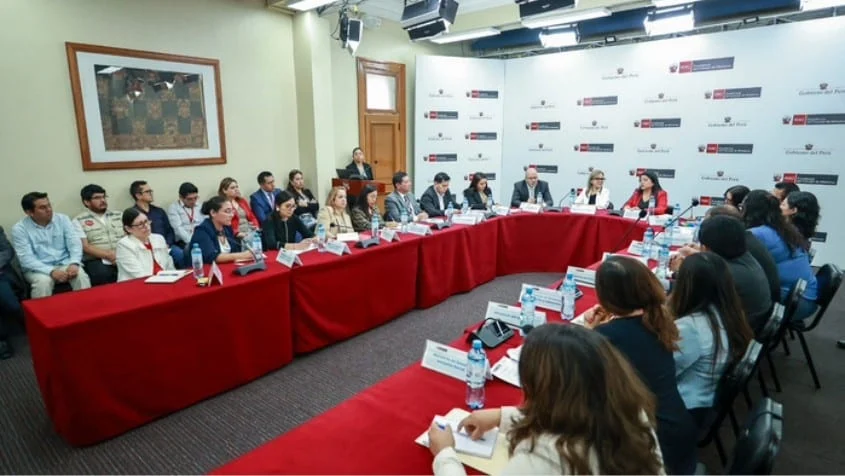
- Inter-Ministerial Alignment: The proposal was formally presented to high-level officials from all 18 government ministries. During a strategic meeting at the Presidency of the Council of Ministers (PCM), representatives from planning, budgeting, and investment departments were briefed on the procedural shifts.
- The Selection Phase: A critical deadline has been established: ministries are currently tasked with compiling a definitive "shortlist" of projects that meet the criteria for accelerated execution.
- Regional Integration: Following the submission of these lists, regional governments will serve as the final filter, identifying which of the proposed works are best suited for the OxI Express model based on local urgency and regional capacity.
Supporting Data and Procedural Mechanics
Under the traditional Obras por Impuestos (Works for Taxes) framework, companies invest their own resources to build public infrastructure in exchange for tax credits. While successful, the process often suffers from a "bureaucratic drag" in the preliminary phases.

The "Express" version addresses this by compressing the "acts preparatory" phase—the period where terms of reference are drafted, committees are formed, and legal vetting occurs. By optimizing these internal steps, the government estimates a reduction of at least 30 days in the pre-adjudication stage.
The Role of Fiscal Oversight
A primary concern in fast-tracking public works is the risk of corruption or quality lapses. To mitigate this, the government has integrated the Comptroller General of the Republic into the core design of the mechanism.
The Comptroller will retain full authority to conduct "concurrent control" (real-time auditing) on the prioritized list of projects. This ensures that while the process is faster, the oversight is, in many ways, more stringent. The Comptroller may choose to review projects at any stage of the accelerated cycle, ensuring that tax credits are only issued once the infrastructure meets the necessary technical standards.
Official Responses and Strategic Implications
The introduction of OxI Express has been met with a mix of cautious optimism from the private sector and proactive engagement from the public administration.
Government Perspective
Ministerial officials have emphasized that this is not about bypassing quality control but about removing "process for the sake of process." The goal is to provide a bridge for the private sector to participate more actively in the national recovery. By allowing companies to apply their tax payments directly into tangible assets, the government aims to increase the total volume of investment in infrastructure without expanding the fiscal deficit.

Private Sector Outlook
Construction firms and banking institutions—the traditional "investors" in the OxI system—have long lobbied for a more agile system. Industry leaders suggest that the success of the initiative will depend on the clarity of the criteria used by the 18 ministries. If the list of projects is overly ambitious or lacks clear technical specifications, the "Express" nature of the program could be undermined by the same technical hurdles that plague conventional projects.
Long-term Socioeconomic Impact
The broader implication of OxI Express is the shift in how the Peruvian state views public-private collaboration. If successful, this model could become the template for future emergency response and regional development.
Economic Stimulus
Infrastructure investment is a known multiplier for economic growth. By accelerating projects that are currently stuck in the "pre-investment" limbo, the government is effectively injecting liquidity into the construction sector, which generates significant direct and indirect employment.
Closing the Gap
For many rural and peripheral urban areas, the "saldos de obra" represent a broken promise. Schools, clinics, and roads left half-finished represent a waste of public funds. By prioritizing these sites, the current administration is attempting to recover lost value and restore public confidence in the state’s ability to deliver services.
Challenges and Future Outlook
While the mechanism is robust in its intent, success is not guaranteed. Three primary challenges remain:

- Capacity of Regional Governments: The ability of local governments to manage the influx of private investment will be the ultimate bottleneck. Many regional offices lack the technical staff to supervise complex construction projects, regardless of how fast they are approved.
- Market Appetite: Private companies will need to balance their risk-reward calculations. While the tax credit mechanism is attractive, the current economic climate requires companies to be highly selective about the projects they undertake.
- Coordination Efficiency: With 18 ministries involved, maintaining a unified standard for project management is a gargantuan task. The PCM will need to play a forceful role as a coordinator to prevent departmental silos from slowing down the process.
Conclusion
The "OxI Express" initiative represents a bold step toward modernizing Peru’s public investment landscape. By acknowledging that time is a critical resource in the face of disaster and social insecurity, the government is attempting to align its bureaucratic processes with the pace of real-world needs.
If the government can maintain transparency through the Comptroller’s oversight while delivering on the promise of shortened timelines, OxI Express could serve as a vital engine for growth. The upcoming phase, where ministries reveal their project lists and regional governments begin their vetting process, will be the true test of this mechanism’s viability. As it stands, the initiative provides a necessary, albeit challenging, path toward closing Peru’s persistent infrastructure gap.